
Solar tree-based photovoltaic plants for mountainous areas
Scientists in land-scarce Korea are proposing to use solar trees to build PV installations in forest areas. Although more expensive than conventional ground-mounted facilities, solar plants made of solar trees may capture carbon from forest land and produce energy at the same time.
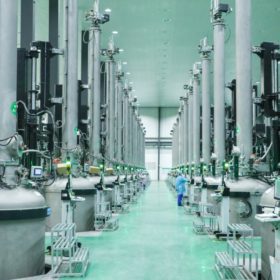
The PV industry needs 12 times more polysilicon production capacity by 2050
New research from the University of New South Wales (UNSW) predicts cumulative polysilicon demand of 46-87 Mt will be required to achieve 63.4 TW of PV installed by 2050.

The Hydrogen Stream: $8 billion green hydrogen facility near the Suez Canal
Egypt is taking several steps to support renewable and hydrogen projects, aiming to produce 42% of its electricity from renewable sources by 2030. Meanwhile, a team of researchers led by UCLA developed a method for predicting platinum alloys’ potency and stability; Iberdrola and bp are working on strategic collaboration, including large-scale green hydrogen production hubs in Spain, Portugal and the UK.
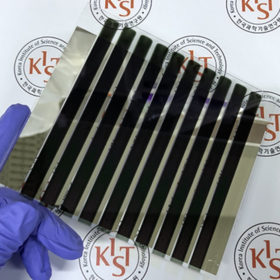
Large-area organic solar cell with 14.7% efficiency
Scientists in Korea built an organic solar cell that is reportedly able to prevent aggregation in photoactive layers. The device could be used for applications in buildings, vehicles, and the Internet of Things.
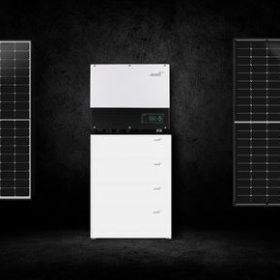
JinkoSolar unveils battery system for Australian residential market
Having established a strong foothold in the Australian market with its solar PV panels, Chinese manufacturer JinkoSolar is now seeking to expand its influence in the energy storage space with the launch of its modular Suntank home battery storage system.
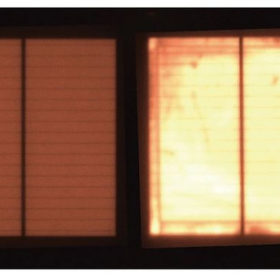
Graphene/silicon heterojunction solar cell with 18.8% efficiency
A Chinese-German research group developed the cell with an ink of graphene oxide (GO) mixed with Nafion that can be spin-coated on an n-type silicon wafer to form a high-quality passivating contact scheme. The GO:Nafion layer simultaneously creates a p–n junction with silicon and passivates the surface defects at the GO:silicon interface.

UK startup develops high-temperature heat pump that produces steam from waste heat
FutraHeat has designed a heat pump that can operate at reduced speeds without oil, recover waste heat from as low as 70 C, and deliver high-grade heat up to 150 C. The electrically powered heat pump utilizes waste heat from all sorts of industrial processes, including drying, distillation, and brewing.

Solar-powered electric lawn mowing
Perhaps in anticipation of California’s coming ban on small combustion engines, battery-powered electric lawn mowers have begun to appear in the market. At least one model is equipped with built-in solar power.
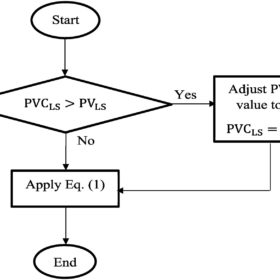
The PV cooler lifespan effectiveness factor
Researchers in Malaysia have defined a new parameter to evaluate solar module cooling techniques based on their lifespan effectiveness. They warned that the proposed methodology should be utilized only with standard test conditions, a temperature of 25 C, and a reference PV system without the cooling system.

Solar support in hazardous locations
In some of the world’s most hazardous locations, a resilient and autonomous common denominator is often found – solar energy. From offshore oil rigs to remote mine sites and the frontlines of conflict zones, solar power functions where others fail, and it does so without the need of refuelling or regular maintenance. But what makes solar such a ‘no-brainer’ that even the oil and gas industry must turn to it? And what other hazardous locations can be electrified with solar? Blake Matich reports.
