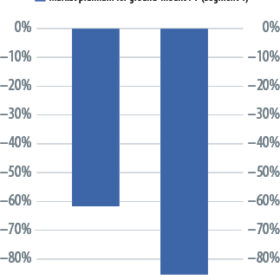
The value of flexibility
A model has illustrated the extent to which increased energy storage expansion benefits the operators of photovoltaic systems in Germany, as well as the national budget, explains Thomas Rosenzopf, from energy industry consultancy Enervis.

Blending in
A new report by the University of Freiburg and the Fraunhofer Institute for Solar Energy Systems (ISE) suggests that aesthetically pleasing integration can increase the social acceptance of solar, particularly in historic buildings. Andreas Wessels of the Fraunhofer ISE presents the findings of an interdisciplinary study.
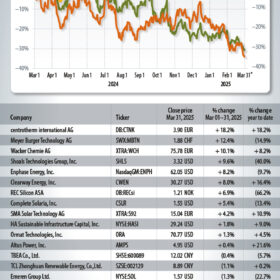
Solar support slipping
The US Inflation Reduction Act (IRA) is on the way out as President Donald Trump embarks on a significant rollback of cleantech industrial policy. Just how far and how fast are open questions but tax credits for solar are under threat, as Jesse Pichel, of Roth Capital Partners, reports.

Perovskites’ circle of life
Academics from the United Kingdom and Africa are working with renewable energy companies to develop a sustainable perovskite manufacturing hub in central Africa, aiming to commercialize locally produced solar modules.
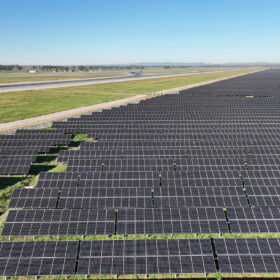
Italian airport PV: More than just pilot projects
Airports landed on a list of areas suitable for renewable energy projects that was issued by the Italian Ministry of the Environment and Energy Security (MASE) in June 2024, meaning simplified authorization processes and lesser environmental protections. For the aviation industry, it’s a decarbonization opportunity worth taking.

What price module stability?
While solar manufacturers may wish for stable module prices, numerous forces continue to shape the market. Philippe Macé, chief operating officer of the Becquerel Institute, presents findings from the Belgium-based consultancy’s most recent pricing report.

Disrupt or be disrupted
The news that oil companies Shell and BP are cutting renewable energy investment to refocus on oil and gas seems like a major blow to the energy transition. Looking at the bigger picture, however, a familiar pattern is emerging. Daan Walter, from energy think tank Ember, argues the move isn’t a setback but rather the transition’s next phase – and if the West wants to stay competitive, it must act now.

Why Europe needs a battery industry
Europe may be pushing ahead with the integration of energy storage into grids, but it has struggled to compete on battery manufacturing. Gerard Reid of Alexa Capital outlines the steps that European industry and policymakers must take to establish a domestic battery supply chain.
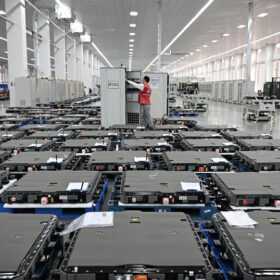
Battery belt and road
Chinese energy storage companies have flocked to Morocco, drawn by proximity to Europe, rich phosphate reserves, and an investor-friendly government.

Turning policy into action
Europe stands at a crossroads in its efforts to revive solar manufacturing, with the European Union’s Net-Zero Industry Act (NZIA) providing the necessary tools and the Clean Industrial Deal, alongside growing geopolitical awareness, driving momentum. Christoph Podewils, secretary-general of the European Solar Manufacturing Council, looks at how those policies can put Europe back in the game.
