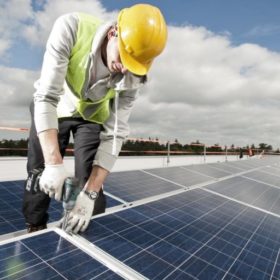
Germany deployed nearly 2 GW of PV so far this year
In the first eight months of 2018, newly installed PV capacity in Germany totaled almost 2 GW, and is already well above the previous year’s level. New residential and commercial PV systems, with a combined capacity of nearly 241 MW, have been reported to the Federal Network Agency. In October, solar incentives will drop by another 1%.
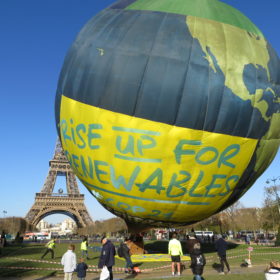
France: EDF, Total and Engie ‘really bad’ green providers, says Greenpeace
Greenpeace France has launched a Green Electricity Guide, which ranks 19 French electricity providers in terms of their renewable energy offers. The environmental association accuses several providers of practicing greenwashing, as they buy power from nuclear power plants and then turn it “green” using guarantee of origin certificates.
Taiwan takes India to WTO over safeguard tariffs
Taiwan has joined Malaysia in requesting consultations with India under the safeguard agreement of the World Trade Organization (WTO), following India’s decision to impose 25% safeguard duties on imports of solar cells, whether or not assembled in modules.
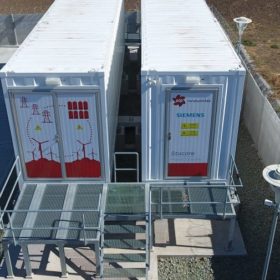
EDP invests in off-grid solar, storage
The Portuguese utility expands its renewable energy business – traditionally dominated by wind – with a new storage station in Romania and the acquisition of a start-up, which offers off-grid home solar solutions in Bangladesh.
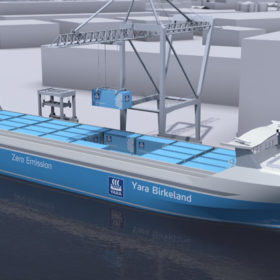
Leclanché: Revenues doubled, EBITDA in the red
While revenues have doubled year on year, Leclanché says its EBITDA is suffering from high operational expenses and one-off payments. However, the goal to post a positive EBITDA by 2020 is on track, it adds.
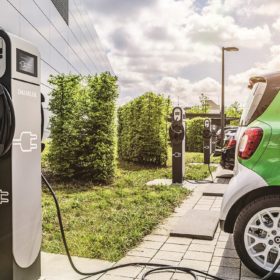
The weekend read: EV charging meets Blockchain
There are a number of reasons to be bullish on electric vehicles. Government support is growing, battery prices are falling, and the technology is constantly developing. But, for the prospect of owning an electric car to become even more attractive, existing EV charging infrastructure needs to be enhanced. This is where blockchain comes in.
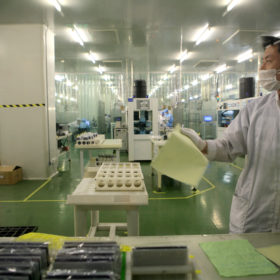
Shunfeng plans sale of manufacturing unit for $683 million
The Chinese company said the transaction will enable a larger deployment of resources for its downstream clean energy business. The potential buyer is Asia Pacific Resources Development Investment Ltd.
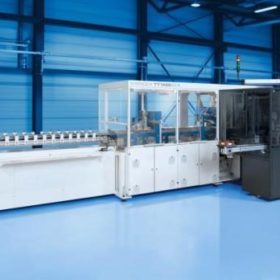
Teamtechnik receives stringer order from Russia’s Hevel
For the production of its heterojunction modules, the Russian manufacturer will cooperate with the German PV engineering provider for the supply of stringers and adhesive technology. To this end, Hevel has ordered new stringer systems and layup from Teamtechnik.
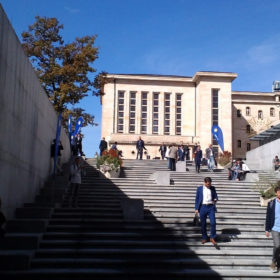
Becquerel winners submit resolution for revival of solar industry to the EU
At the EU PVSEC in Brussels this week, prominent representatives of the solar industry joined an appeal to rebuild a major European PV production line along the entire value chain. They called on the EU Commission and member states to introduce eco-labels and recycling criteria for solar modules, to stimulate PV expansion and align research policy with the revival of the solar industry.
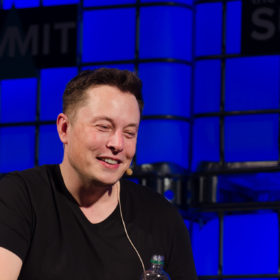
US financial regulator sues Elon Musk
The U.S. Securities and Exchange Commission has alleged that Musk’s tweets were false and misleading, and is pushing to have him barred from serving on the board of Tesla or any other public company.
