
Interview: Asia Clean Capital CEO Thomas Lapham
China is shifting its major PV installations from previous large utility-sized ground PV plants in the west and north to small-sized distributed PV projects in the eastern coastal areas. During this process, many companies have found new opportunities.
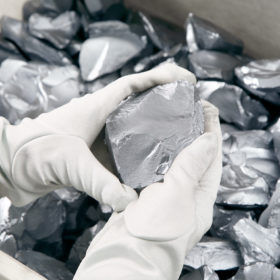
Daqo New Energy posts $23 million net profit in Q1
The Chinese polysilicon producer’s net income attributable to shareholders reached $22.9 million in the first quarter of 2017, from just $8.3 million a year earlier.
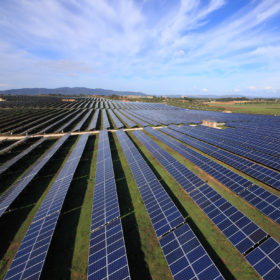
Italy plans to introduce auction scheme for large-scale solar starting 2020
In the country’s new energy strategy, the Italian government is planning to phase-out coal power plants starting 2025, and to support utility-scale PV projects through long-term PPAs.
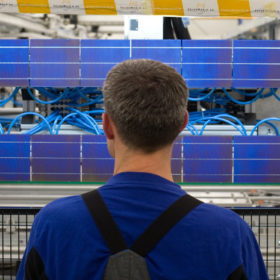
Big challenges: Raj Prabhu on the SolarWorld insolvency and U.S. solar manufacturing
Today, SolarWorld AG filed for insolvency in Germany, and it is unclear whether or not its U.S. subsidiary will also file. In the following interview, Mercom Capital CEO Raj Prabhu talks about what this means for the U.S. solar industry.
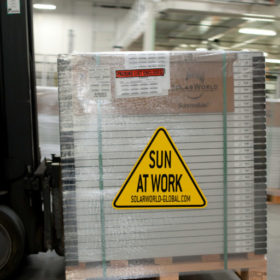
EU ProSun: SolarWorld insolvency “heavy blow” for European solar
EU ProSun has described the bankruptcy of SolarWorld as a “serious blow to the German and European solar industry.” The lobby group, which has long advocated for tariffs against Chinese solar modules, “deplored” the news of the German-headquartered manufacturer’s insolvency – in a statement released minutes after SolarWorld’s official announcement.
Breaking: SolarWorld insolvent
Pioneering solar PV manufacturer SolarWorld AG is insolvent. The company announced today it is “over-indebted” and would immediately file an application for insolvency.

Video: China market not to disappoint in 2017
Far and away the largest PV market in the world, China’s development has broad consequences for the entire PV industry. Nowhere was this more evident than at the SNEC trade show in Shanghai last month, where the question of China’s projected installations for 2017 was hot on everyone’s lips.
Smaller, leaner Vivint Solar moves to direct sales (with chart)
Like other large U.S. third-party solar companies Vivint is increasingly moving away from the leasing model to direct sales.
Enphase sees losses increase in first quarter
The U.S. microinverter manufacturer reported a lower than expected revenue in the latest quarter, with shipments decreasing slightly year-on-year. The company, however, was able to strenghten its cash position after implementing a restructuring plan in the previous quarters.
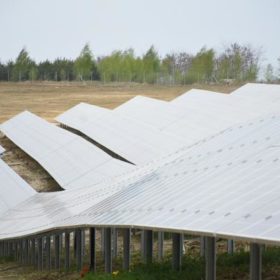
Ukraine’s Lviv region sees 10 MW of solar come online
The solar plant was built by local developer LigAgro under Ukraine’s FIT program at a cost of $10 million.
