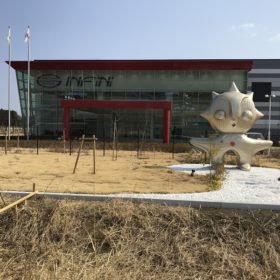
The weekend read: Sunshine for Fukushima
Solar in Japan: As Japan continues to wean itself off nuclear power, solar PV has assumed a vital role in aiding the transition to renewable energy. In Fukushima, a series of solar plants have already been installed, but one new addition to the region – a module fab – poses an altogether different set of challenges and opportunities, as pv magazine’s managing editor Ian Clover found out.

Sungrow signs storage inverter supply agreement for 30 MWh storage project in Japan
The Chinese power electronics company will ship its turnkey energy systems comprising storage inverters, NCM lithium batteries and an energy management system to a 30 MWh storage project being built in Hokkaido, Japan.
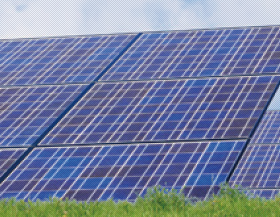
Japan: Kumamoto Electric pushes PV-powered cryptocurrency unit as potential curtailment solution
Kumamoto Electric Power, a Japanese power producer and retailer, has launched a new cryptocurrency-mining subsidiary that will primarily draw electricity from solar PV arrays.
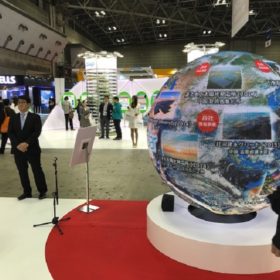
PV Expo Tokyo ends on innovation high, eyes to the future
A year of transition is perhaps the best way to characterize 2018’s PV Expo show in Tokyo, as Japanese module, inverter and storage firms hedge their bets while foreign innovation takes center stage.
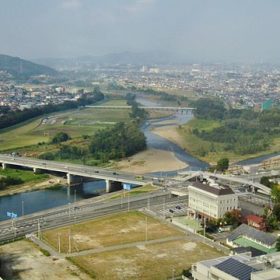
Canadian Solar nails $149m loan for 53 MW in Japan
Canadian Solar has signed a credit facility of up to JPY 16 billion ($149 million) with Shinsei Bank to back the construction of a 53.4 MWp solar project in southwestern Japan.
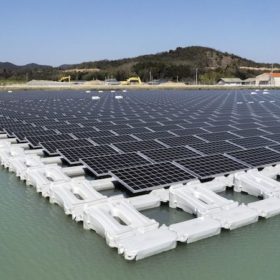
Kyocera to drop NYSE listing
Japanese PV module supplier, Kyocera has announced plans to delist its American Depositary Shares (ADS) from the New York Stock Exchange (NYSE).
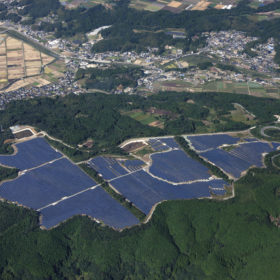
TEPCO reaffirms renewables commitment, vows to expand globally
The head of Tokyo Electric Power (TEPCO) has said that the Japanese company remains committed to renewables development, and has vowed to expand the regional utility’s business beyond its home market in the coming years.
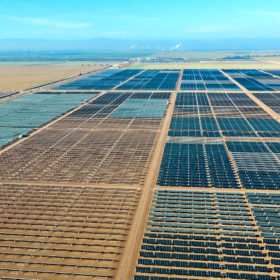
Solar Frontier posts $73 million operating loss in 2017
Japanese thin film PV manufacturer, Solar Frontier has posted an operating loss of JPY 7.8 billion (US$73.2 million) for 2017, as it continues to rejig its business strategy and consolidate production in Japan.
Japan to install up to 7 GW in 2018 despite cancellation of 14.6 GW of approved capacity — report
Japan will likely install 6 GW to 7.5 GW (DC) of solar in 2018, from about 7 GW in 2017, despite government efforts to cancel approvals for projects that were registered under the country’s old feed-in tariff (FIT) program, according to a new report.
Panasonic to begin direct sales of solar cells
The Japanese electronics giant announces plans to sell solar cells individually this year, but confirms it is poised to halt module production at its fab in Shiga, Japan, in March.
