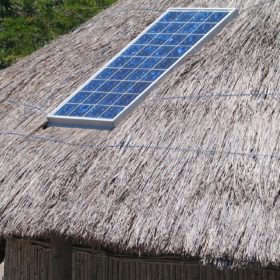
Irena gives latest update on stark chances of electricity access for all by 2030
The International Renewable Energy Agency’s latest annual report on the progress towards UN sustainable development goal seven estimates 670 million people will still lack electricity in 2030, and more than 2 billion will be reliant on unhealthy, polluting cooking methods.
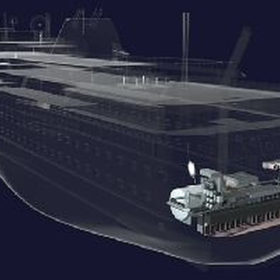
The Hydrogen Stream: Hydrogen system for marine vessels
DNV approved HAV Group’s hydrogen-based energy system for cruise vessels, Rolls-Royce agreed to sell hydrogen-powered mtu fuel cell solutions in Germany, and the Mauritanian government signed a deal with CWP to develop a 30 GW green hydrogen project.
Solar in the sun: system optimizations for high temperature environment
In this pv magazine Webinar, we’ll examine in detail the high temperature performance of JinkoSolar’s TOPCon products, and look at optimizations at both module and system level that can ensure the best performance in high temperature conditions.

Energy company plans 500 MW of solar in Chad
Savannah Energy plans to install up to 300 MW of solar and a battery to power operations at its recently acquired Doba Oil project in Chad. It has also pledged up to 100 MW of solar and the same amount of wind to generate power for the capital, N’Djamena.
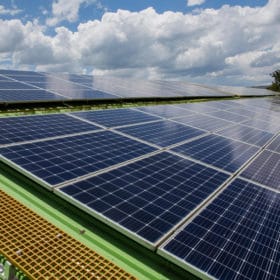
Industry players discuss solar market outlook in Africa
JA Solar and Clenergy sponsored a recent webinar that explored the outlook for solar deployment in a number of southern African countries.
Stadium in Senegal hosts 2.3 MW solar plant
Turkish developer Citus Power built the solar array with Sungrow inverters and Trina modules. It is able to operate in both on- and off-grid mode.
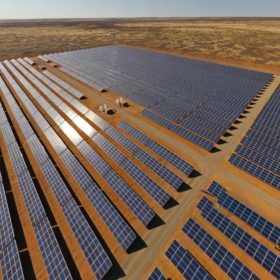
South Africa approves 200 MW of PV under new distributed-generation rules
Sola Group plans to build two 100 MW siolar projects in South Africa’s North West province. It will sell the electricity under power purchase agreements to US-based titanium products provider Tronox, which operates several mines and smelters in the region.
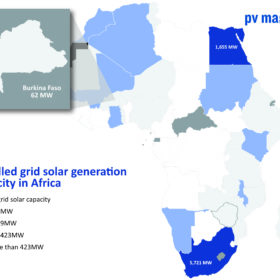
Burkina Faso set for 27 MW solar project
The Zina solar field, which is being developed by Amea Power, is being financed by the World Bank’s private sector arm and will be constructed in Mouhoun province.
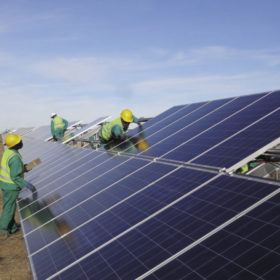
South Africa postpones commercial close timelines for projects selected in fifth REIPPPP round
The fifth round of South Africa’s REIPPPP scheme was launched in March 2021. The authorities allocated 2.6 GW of renewable energy capacity across 25 projects ranging in size from 75 MW to 140 MW.
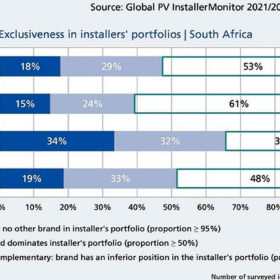
Module brands that earn the trust of solar installers
The latest global PV installer survey by Germany’s EUPD Research offers a hint of the solar brands which installers, mostly based in Europe, gravitate toward. This year’s report also ventured to South Africa and considered mounting systems for the first time.
