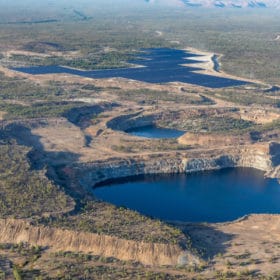
Australian developer advances 250 MW pumped hydro project
Genex Power is set to begin building a 250 MW pumped hydro facility next to an existing 50 MW solar farm later this month, as it has secured the financing it needs to move forward.
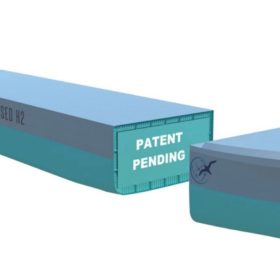
GEV to develop compressed hydrogen ship for Australian exports
Global Energy Ventures has revealed new designs for the H2 Ship, a compressed hydrogen ship capable of transporting 2,000 tons of hydrogen from green hydrogen hubs in northern Australia to trading partners such as Singapore, South Korea, China, and Japan.
New trial could nix rooftop solar export tribulations in South Australia
As some parts of Australia’s distribution networks threaten to black out under the flow of rooftop solar exports, ARENA announces funding for a trial that will enable flexible exports in line with what the networks can bear. Smart software is the answer.
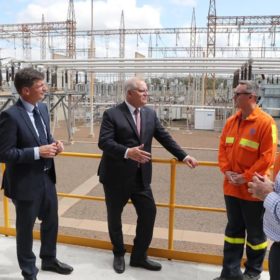
Australian government reduces support for solar, wind
The Australian government has announced new long-term funding and an expanded remit for the Australian Renewable Energy Agency beyond 2022. The funding package, which looks more like a cut than anything else, pushes investment away from solar and wind toward technologies like carbon capture and storage.
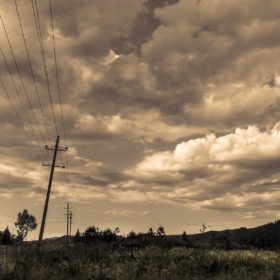
Grid constraints threaten to curtail more than 1 GW of solar projects in North Queensland
The northern Australian region this week added nine solar plants to the two already threatened – along with a wind farm – with having their output halted under certain conditions.
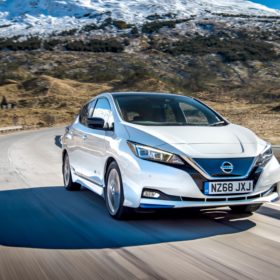
Canberra project REVS up Australia’s vehicle-to-grid readiness
The Australian Renewable Energy Agency is putting US$1.66 million into a vehicle-to-grid trial to demonstrate how electric vehicles can provide grid ancillary services. The REVS research and industry consortium hopes to show how EVs can generate revenue for fleet owners.
Australia approves 720 MW solar farm with massive battery
A massive solar+storage project near Uralla, New South Wales, has locked in a grid-connection agreement with Transgrid.
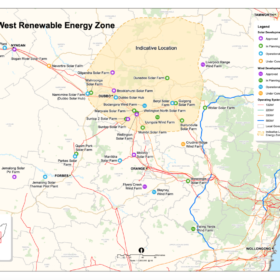
Australian renewables zone attracts 27 GW of solar, wind, battery proposals
A plan in the Australian state of New South Wales to build a 3 GW renewable energy zone has already attracted US$26.4 billion of project proposals, and the state government is now quadrupling its funding support.
Low-cost direct solar-to-hydrogen ambitions see the light
The road to cheap hydrogen production is riddled with potholes and energy losses. Researchers in Australia have demonstrated rethinking solar technology and skipping electrolysers could hold great promise for reaching the hydrogen holy grail.

Australian researchers take solar windows to the next level
The building-integrated PV devices have taken a big leap forward on the back of a partnership between Australian scientists and a major glass manufacturer which will investigate the use of semi-transparent solar cells in commercial applications, potentially revolutionizing building design.
