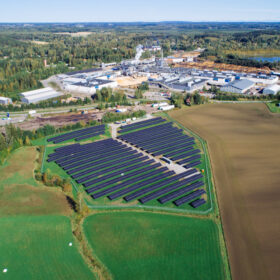
Finland’s gold rush: navigating the solar landscape
In the land of a thousand lakes and long, harsh winters, a surprising gold rush is under way – not for precious metals but for sunlight. Finland, often associated with its stunning natural landscapes, has become an unlikely contender in the global renewable energy market, particularly in the realm of solar power.
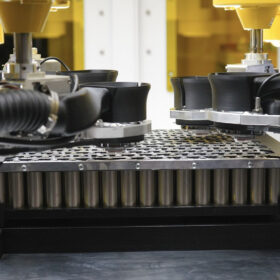
Laser-sharp focus on interconnections
As the world’s solar manufacturers continue to ramp up production at an eye-watering speed, a cell connection technique up to 10 times faster than the industry standard holds rich promise, according to Keven Tremblay, from Canadian laser process specialist Laserax.
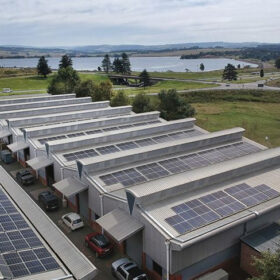
Weekend Read: Consolidating growth in Africa
Across Africa, rooftop solar is stepping in to fill the void as fears of non-payment and inflation-reduced donor funding dampen enthusiasm for big solar. Commercial and industrial (C&I) arrays are leading the charge, driving consolidation in markets overstocked with startup and mid-size installers.
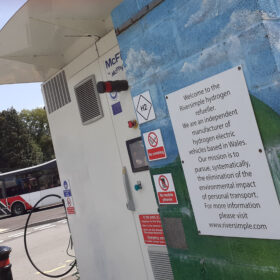
Europe should produce its own green hydrogen
As the cost of generating clean energy continues to fall, producing green hydrogen in Europe, rather than importing it from Africa – with all the transport costs and raised carbon footprint that would entail – is beginning to look like an increasingly viable option.
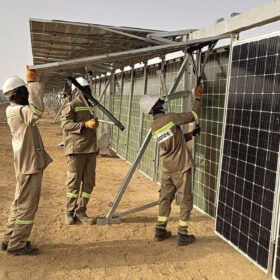
Weekend Read: Install grid-connected solar, rinse, repeat
Will a redeployable solar and energy storage solution be the answer to unreliable grid electricity across much of Africa, as its developer proposes? Or will it merely be a temporary solution that will see cash-strapped utilities kick the can of universal energy access further down the road?
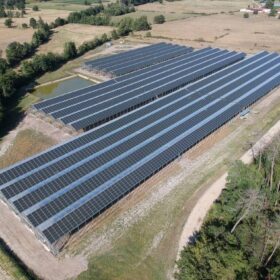
Italian agrivoltaics could be a vital plank of the EU’s energy transition
Europe awakened to its energy dependency on Russian gas as the Russia-Ukraine conflict unfolded and the war has pushed the European Union to accelerate its energy transition. Italy could play an important role.
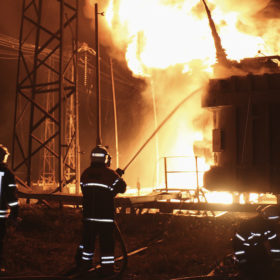
Conventional grids place power plants in the crosshairs
Warnings about the need to decentralize Ukraine’s electricity grid, made 10 years before the Russian invasion, fell on deaf ears at the time. In the wake of war, nations across Eastern and Central Europe are alive to the risks embodied in traditional energy networks.
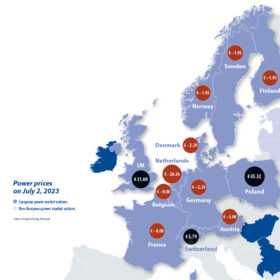
Europe’s power price rollercoaster
Almost every weekend since Easter, European generators have been paid to power down plants but some Northern European nations are experiencing record electricity prices. An energy system set up for fossil fuels is in urgent need of reform, according to Gerard Reid, co-founder and partner of Alexa Capital.
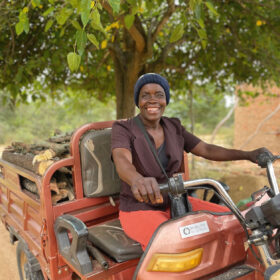
Weekend Read: Planning a Hamba-lution
As the global North ponders e-mobility dilemmas such as how to source sufficient materials to meet electric car demand, fresh evidence has emerged of how solar can decarbonize transport and farming in Africa.
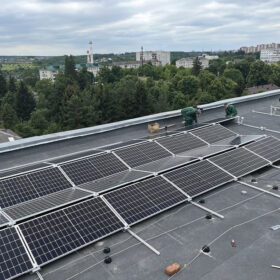
Weekend Read: ‘Please open your wallets’
Donations of cash and solar equipment have thrown a lifeline to schools, hospitals, and communities in Ukraine but the country needs much more, including long-term backing for the recovery of its industry, reports Ian Skarytovsky.
