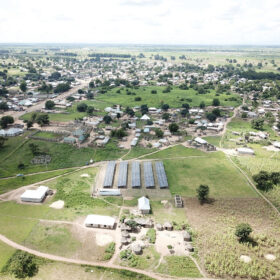
Nigeria’s PV potential
Everoze Partner Abdul Sotayo highlights some of the issues that continue to hold back progress on clean energy in Nigeria, where energy poverty remains a problem, despite the nation’s vast solar potential.
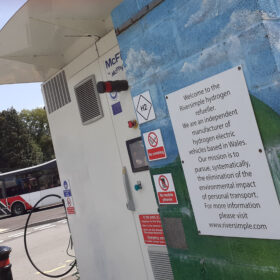
Green hydrogen offtakers can shape the industry’s development
With strong government backing; a systems approach to development that views each component of hydrogen production and delivery as a whole; and growing demand, Australia could be on track for a commercially viable green hydrogen industry by 2030.
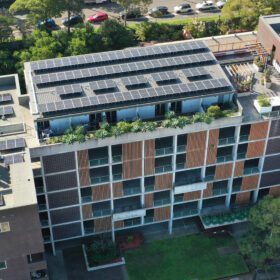
A simple way to bring solar to multi-family apartments
Offering solar savings to apartment dwellers, and particularly renters, is not a simple task – as low take-up in Germany has demonstrated. Mel Bergsneider, from Australian startup Allume Energy, explains how a product offered by her company could change all that.
Weekend Read: Cash pours in to rooftop solar
The growth of European rooftop solar continues this year, with innovative companies raising capital to develop the market. It’s an encouraging trend with the potential to accelerate rooftop solar adoption. pv magazine correspondent Valerie Thompson takes a closer look.

Technology brings universal access to clean energy within sight
The opportunities available from the aggregation and interpretation of mass data are huge and could help attract investors and ensure more efficient electricity networks as the world races to try and achieve the UN goal of access to reliable energy for all this decade.
What might UK solar expect from a change in government?
Chris Sparkes, lead technician at UK solar installer Solar Fast tells pv magazine simply throwing money at the PV industry will not suffice.

Weekend Read: Race to the top
A flurry of clean energy announcements in the European Union this year bodes well for the expansion of renewables but there will be a race against time to get key legislation adopted before next summer’s European elections.

Weekend Read: China’s solar century
From zero to hero in 20 years, China’s PV industry has undergone an extraordinary journey. Vincent Shaw considers the reasons for the nation’s solar success and the challenges ahead.
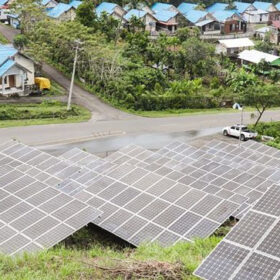
Indonesia’s race to net zero
Coal-dependent Indonesia has huge solar potential but progress toward a net zero economy has been sluggish, explain Daniel Kurniawan and Fabby Tumiwa from the Institute for Essential Services Reform (IESR), an Indonesian thinktank.
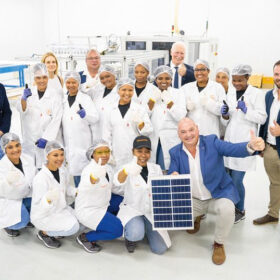
The green jobs promise
Promising to replace fossil fuel jobs with an identical number of clean energy roles in coal-dependent communities is overly simplistic and ignores the fact that communities need to be brought onside with credible expectations of better-quality employment.
