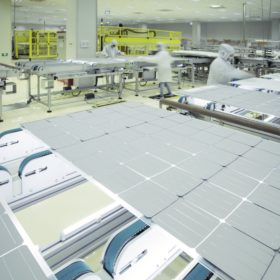
Analyst expects ‘unprecedented’ consolidation of Chinese solar industry
PV manufacturers unable to live with proposed new quality guidelines and project developers alike are set to be squeezed out by the state in the world’s biggest solar market, according to Frank Haugwitz, who has compiled a market update as preparations for the next five-year plan gather pace.
Covid-19 weekly round-up: Predatory takeover fears, Ieefa takes aim at the IEA and diverse perspectives on e-mobility
Analysts appear divided on the effects the public health crisis will have on the EV market even as sales of petrol-engined SUVs soar in China. And Portugal is plowing on with its Covid-delayed national solar tender, an exercise which may help establish whether clean energy thinktank Ieefa is right to predict PV prices will continue to fall.

Bangladesh looks to Beijing to speed its solar ambition
The two governments will form a JV which will see China invest around $500 million in setting up 450 MW of solar generation capacity and a 50 MW wind farm on land supplied by the host nation’s North-West Power Generation Company.
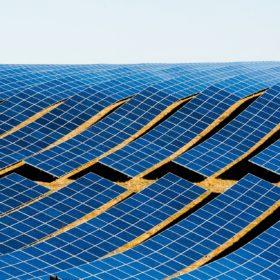
Historic-low interest rates will power ahead astonishing solar cost reductions
An Ieefa report has suggested the cost of generating electricity from solar will be near zero in the world’s sunniest regions by 2030-40 – despite what the naysayers at the International Energy Agency might think.
Chinese solar glass company’s figures indicate booming market
Xinyi Solar today said it is anticipating a bumper profit from the first half of the year – an announcement likely to bring wry smiles at the board of parent company Xinyi Glass, which soon after announced quite the opposite prospects after selling off shares in the PV subsidiary last year.
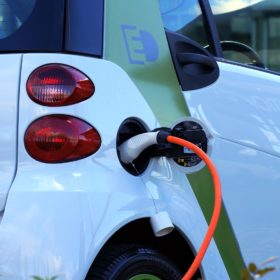
Demand for gas-guzzling SUVs surges in China as electric car sales plummet
The market last month saw a sharp rebound in the sales of traditional, internal combustion engine vehicles as Covid-19 restrictions continued to ease. Analysts have predicted a similar rebound in Europe as the continent emerges from the public health crisis.

The weekend read: 2020 – the first year for the PV sector to record a decline
In the wake of Covid-19, IHS Markit lowered its solar forecast from 142 GW to 104 GW. Compared to the 125 GW of solar capacity installed in 2019, the forecast would mean a turnaround from 13.6% annual growth to a 15% contraction. The IHS Markit forecast is based on Covid-19 being controlled and market restrictions being gradually lifted in the second and third quarters of the year.
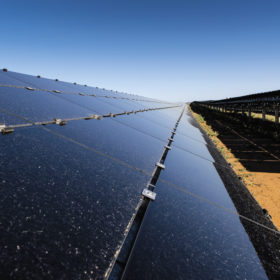
Covid-19 weekly round-up: It is still unclear how the crisis will play out on various solar segments, although one US installer says business has never been better…
Module price falls driven by the energy demand slump and Chinese oversupply may reverse at the end of the year, Germany appears immune to the Covid rooftop curse and emergency funding has been offered up to EU businesses affected by the crisis.
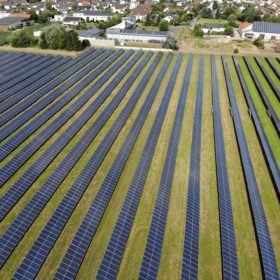
Solar costs have fallen 82% since 2010
The levelized cost of energy generated by large scale solar plants is around $0.068/kWh, compared to $0.378 ten years ago and the price fell 13.1% between 2018 and last year alone, according to figures released by the International Renewable Energy Agency.

Israel wants another 15 GW of solar by 2030
Energy minister Yuval Steinitz has announced the country’s 2030 renewable energy target will rise to 30%, with solar expected to account for the lion’s share. Approximately $23 billion more clean energy investment is envisaged this decade.
