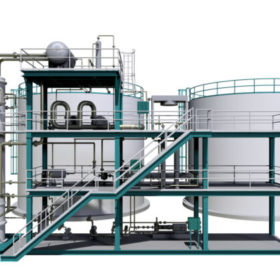
The Hydrogen Stream: New tech to store 5 tons of hydrogen per day
Proton Motor Fuel Cell and xelectrix Power have also developed a complete system that combines fuel cell and battery storage technologies and U.S.-based Plug Power is building a 100 MW electrolyzer in Egypt. Furthermore, Germany said it wants to deploy 10 GW of hydrogen capacity by 2030 and South Korea unveiled its hydrogen strategy.
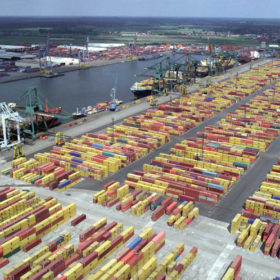
The Hydrogen Stream: Three more ports want to become hydrogen hubs
Antwerp, and Zeebrugge, in Belgium, and Newcastle in Australia all want to speed up green hydrogen development.

The Hydrogen Stream: ZF reactor tech for hydrogen production via steam methane reforming
Big plans for hydrogen development were announced this week in Germany, Namibia, Italy, Spain, Norway, Australia and the United States.
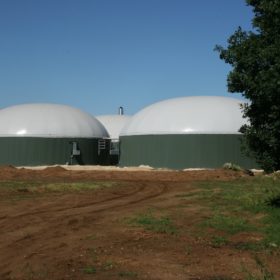
The Hydrogen Stream: The world’s first high-purity hydrogen from biogas
Austrian researchers have demonstrated a chemical looping system can be retrofitted into biogas plants. It is said the new tech can produce high-purity hydrogen for fuel cells on an industrial scale. The scientists concerned said their system could produce hydrogen, on a decentralized basis, for €5/kg.
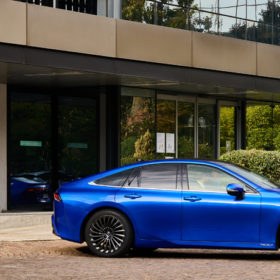
The Hydrogen Stream: Saudi Arabia bets on blue hydrogen, Denmark wants to improve green alkaline electrolysis
Elsewhere, Snam and Toyota are pushing for more hydrogen-based mobility in Italy, and Woodside Petroleum wants to establish an export-oriented hydrogen and ammonia production facility in Australia.
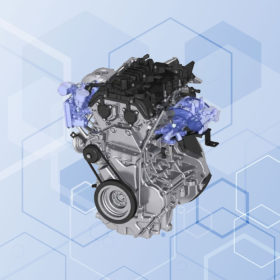
The Hydrogen Stream: A new engine from China and IEA predictions for this decade
Chinese carmaker GAC Group has unveiled an engine it claims improves the mixing process of hydrogen and air. Elsewhere, the IEA has said $7 billion in new electrolyzers will be required globally by the end of the decade, and a British consortium is planning to build green hydrogen production facilities alongside 4 GW of solar, wind, and battery projects it is developing in the United Kingdom.
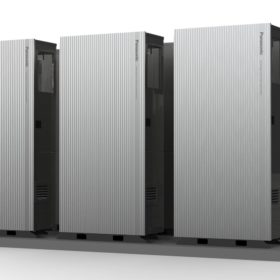
Panasonic launches 5 kW fuel cell system for commercial applications
The system has dimensions of 834×417×1,766 mm and weighs 205 kg including the design panel. It achieves an electrical efficiency of 56% and can be connected with a hot water storage unit.
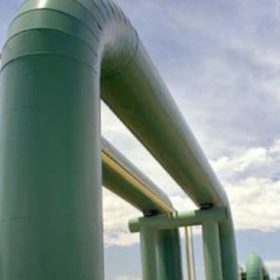
The Hydrogen Stream: Electrolysis tech that can produce hydrogen from virtually any water source including salt water
A Swiss-Canadian consortium is developing a novel process to produce green hydrogen. Furthermore, Italy’s Snam is cooperating with IRENA and a French consortium wants to deploy high-end hydrogen storage systems for the railway sector.
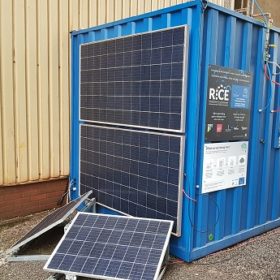
The Hydrogen Stream: Mongolia’s potential for producing green hydrogen at $3.30/kg
A German research group has identified Mongolia’s South Gobi region as an ideal location for the production of cost-competitive green hydrogen. Elsewhere, the U.K. is seeing more on and offshore-powered renewable hydrogen projects.
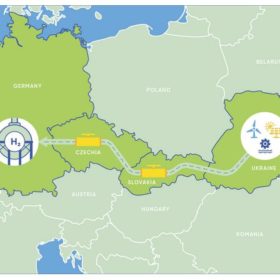
The Hydrogen Stream: Hydrogen highway through Central Europe
Elsewhere, the German government wants to allow the testing of hydrogen production from offshore electricity, while a French consortium intends to promote the use of hydrogen at airports and build a European airport network to accommodate future hydrogen aircraft. Furthermore, the Port of Rotterdam is increasing its efforts to become a hydrogen hub.
