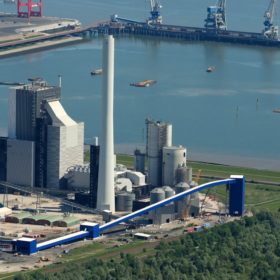
Engie to sell 2.3 GW of coal power assets
The French energy company has decided to sell its coal-fired power plants in Germany and the Netherlands to U.S.-based private equity firm Riverstone.
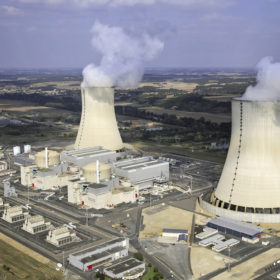
“There is no such thing as a zero or near-zero-emission nuclear power plant”
Stanford professor Mark Z Jacobson has said new nuclear plants may cost up to 7.4 times more than wind and solar facilities, with construction times longer by up to 15 years. Such a delay, he said, may see an huge amount of extra carbon emissions from fossil fuel power sources. His verdict comes as China this month set new guaranteed tariffs for nuclear power.

Getting (almost) all our energy from the sun by 2050
Solar could meet approximately 68% of global energy demand with other renewables making up the rest, according to a new report. A 100% renewable energy system could also create 22 million solar jobs by 2050, the study claims. Keeping global warming below 1.5 degrees C, though, would require FITs for projects up to 40 MW in capacity, auctions for bigger systems, removing fossil fuel and nuclear subsidies and providing more education and R&D and less red tape.
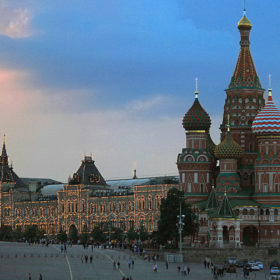
Renewables & geopolitics: Russia
In the latest of our interviews about renewable energy and geopolitics, Indra Øverland – head of the Center for Energy Research – discusses the difficult relationship between Russia and renewable energy. Despite a belief the gas and oil superpower will have little interest in clean energy, Overland believes the world’s most extensive nation will use renewables to improve its domestic power supply, especially in remote regions. Russia has a highly continental climate, with lots of sunshine – more than most of Western Europe, Overland says. Whether it can take advantage of that potential, however, is unclear.
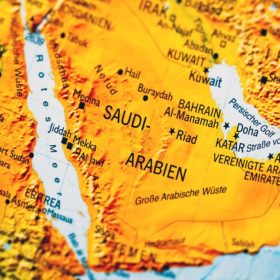
Renewables & geopolitics: Saudi Arabia
In the third in a series of interviews on renewable energy and geopolitics, Indra Overland — head of the Center for Energy Research (NUPI) and a research panel member for the Global Commission on the Geopolitics of the Energy Transition at IRENA — discusses how Saudi Arabia is dealing with the energy transition. He also outlines the challenges the Middle Eastern country will face in the coming decades, as it shifts to a less oil-dependent economy. Although the country recently set new solar and renewable energy targets, Overland believes that the geopolitical balance in the Middle East could shift to countries such as Iran in the coming decades, even if the Saudi commitment to renewable energy proves genuine.
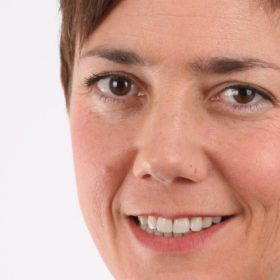
A 20% solar electricity ambition and 30 million roofs for Europe
The new CEO of SolarPower Europe, Walburga Hemetsberger, explained her goals for the development of the European solar industry in the next 10 years when interviewed by pv magazine during the association’s SolarPower Summit in Brussels.
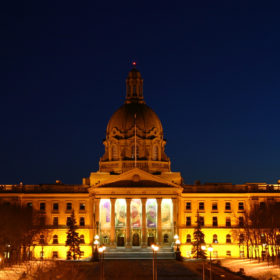
First unsubsidized solar parks announced in Canada
After receiving its cheapest bids for large-scale solar under a public tender a week ago, the Canadian province of Alberta is now ready to host two unsubsidized solar parks with a combined capacity of 57 MW. The developer, German renewable energy company Innogy, is in talks with local off-takers about signing a PPA.
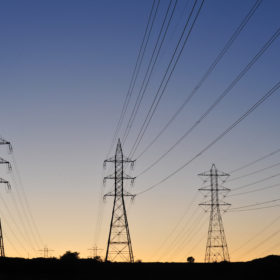
Super-grids vs prosumer states: storage may decide the battle
Indra Overland, head of the Center for Energy Research at the Norwegian Institute for International Affairs, explains how the world’s future energy landscape may include pan-regional super-grids. However, prosumer states seeking energy independence could also be in the mix. According to Overland, the two developments will go hand in hand and the balance between them will be determined by the competitiveness of storage technologies.
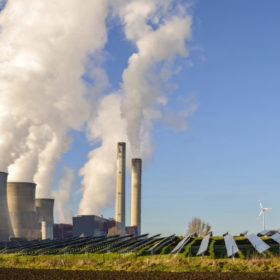
Germany considers closing coal-fired power plants by 2038
German states with coal mining regions would receive a total of €40 billion from the federal government over 20 years for structural change under the terms of the Coal Commission’s proposal, while operators of coal-fired plants would receive compensation.
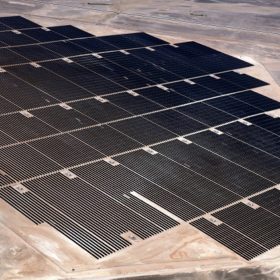
Jordan suspends renewables auctions, new licenses for projects over 1 MW
Auctions and new licenses will be suspended until the Jordanian government has assessed the capabilities of its power network.
