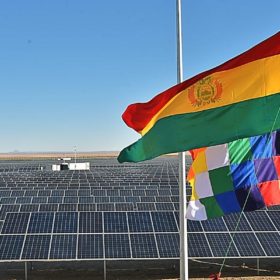
Bolivia commissions 60 MW solar park
The Uyuni project will cover half of the electricity demand in the Potosí region, and is currently the largest PV installation in the Andean country. The project was realized thanks to an investment of US$62 million.

India: 25% safeguard duty will threaten ongoing solar PV projects
The two-year period of the recommended safeguard duty is very short, discouraging any investment in setting up new solar manufacturing capacity, say analysts and companies pv magazine spoke to. At the same time, for solar project developers, the duty will impact tariffs to the tune of 12-15%, posing an immediate threat to viability of projects under execution, they add.
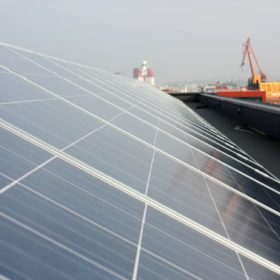
MW-sized solar parks proliferate in Sweden
Swedish power distributor Göteborg Energi is planning to deploy two PV plants totaling 6 MW while initiatives for solar parks above 1 MW are being implemented in several regions.
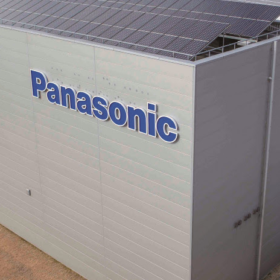
Panasonic, Tesla reveal plan to produce lithium batteries in China
Tesla’s batteries may soon be Made in China. The announcement was made by Panasonic CEO Kazuhiro Tsuga during a conference accompanying the company’s 2018 fiscal-year results.
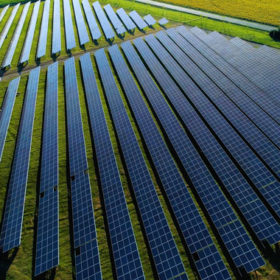
Total inks deal to acquire Direct Energie
The French oil group, which is the parent company of U.S. solar manufacturer, SunPower, is set to acquire a 74.33% stake in France’s third largest power utility, Direct Energie. With this move, Total is gearing up to expand its presence in the power sector, particularly in France and Belgium.

Energy storage-as-a-service: The hottest game in town?
Alexander Schönfeldt of energy storage specialists, Younicos examines the growing trend of energy storage-as-a-service, and explains why the sector is growing at such a rate.

Energy storage or grid extension – wrong question, right answers, finds panel
Panel discussion at Energy Storage Europe tackled the issue of whether the best way for keeping the lights on as economies around the world grow is to extend the grid network or add energy storage, and found that the best solution lies somewhere in between.
No stabilization without flexibilization
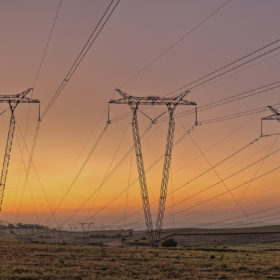
A new report from DNV GL stresses the value of flexibility regarding the design of future energy markets. The paper also indicates how to avoid imbalances that could cause the instability of power systems.
South Africa’s energy mix will be much cheaper with renewables, study says
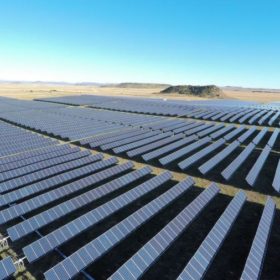
According to a new study conducted by the Frankfurt Institute for Advanced Studies at the Goethe-University Frankfurt, a mix of solar and wind may be over 10% cheaper than power generation from new coal and nuclear plants in South Africa, even if the cost of renewables and batteries will see no further reduction from today until 2050.
Lithuania’s new energy strategy bets on wind and prosumers
Although the country’s new national energy independence strategy says wind will represent 65% of its total renewable energy share by 2050, the number of households that self-generate their power (predominantly from solar) is expected to increase from 34,000 in 2020, to 500,000 in 2030.
