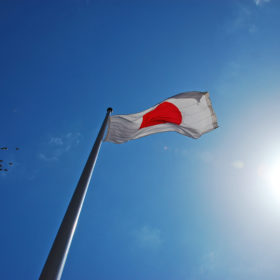
Japan could install 150 GW by 2030 — report
Japan’s cumulative installed PV capacity could reach 150 GW by 2030, from roughly 55.5 GW by the end of 2018, according to a new report by Tokyo based research firm RTS Corp.
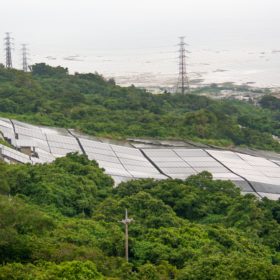
FIT cuts and lower revenue may cause more bankruptcies in Japan
A Teikoku Databank report says as many as 95 solar companies went bankrupt last year – seven more than in 2017. The company warns the negative trend that began in 2016 may escalate as FIT reductions for large-scale solar come into effect.
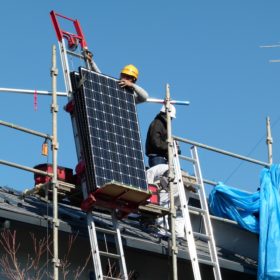
Japanese government warns against fire risk from rooftop PV
The warning was made by the nation’s Consumer Affairs Agency, which claims 172 fire accidents occurred in Japan from 2008 to 2017. The Japan Photovoltaic Energy Association said it will provide homeowners with the relevant information and stressed fire risk should not be used as an argument against the energy transition.
Another disappointing solar auction for Japan as prices stay high
In last month’s exercise, final prices were slightly lower than those seen in previous procurements and the total allocated capacity was 196.6 MW. Through the three tenders held by the Japanese government, around 500 MW of solar was assigned, against a target of 1-1.5 GW. Land availability, grid constraints and high labor costs make projects expensive and force developers to use mountainous regions.
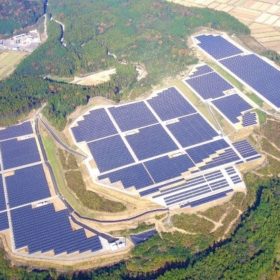
Japan postpones FIT cuts by six months for projects over 2 MW
A reduction of the feed-in tariff to ¥21/kWh (around US$0.19) for projects over 2 MW in size and approved between 2012 and 2014 will be applied starting from September 2019 and not from March, as originally planned. For approved projects with a capacity of less than 2 MW, however, no postponement has been granted.

Japan plans abrupt FIT cut for delayed PV projects
The subsidy for solar schemes approved between 2012 and 2014, and that will be not completed by March, may be reduced to ¥21/kWh. The proposal is expected to affect projects with a combined capacity of more than 20 GW.
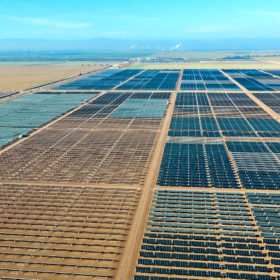
Solar Frontier changes ownership
The CIS thin film solar module maker was taken over, together with its parent company Japan’s oil and gas group, Showa Shell Sekiyu, by Japanese oil refiner Idemitsu.
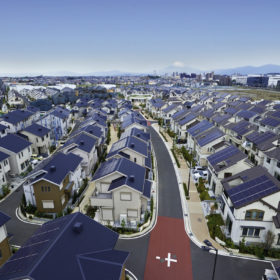
Japan to add 17 GW of new solar by the end of 2020 – Fitch
The additonal capacity is expected to come from the backlog of projects under Japan’s FIT mechanism and would raise cumulative installations to over 65 GW. In the period 2021-2027, however, the industry is expected to grow at a considerably lower pace, due to grid constraints, land availability and lower prices coming from auctions.
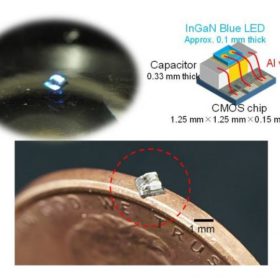
Japanese scientists develop wireless optical neural stimulator based on PV
A very small implantable device that can be used to control brain patterns has been developed by Japanese researchers using photovoltaic technology. The device is both the smallest and the lightest wireless optical biodevice to have ever been developed.
Solar to top 104 GW of new installations this year, finds GTM Research
Latest Global Solar Demand Monitor from GTM Research forecasts 6% annual increase in PV installation growth, although current largest markets will register 7% contraction while geographic diversification poised to grow.
