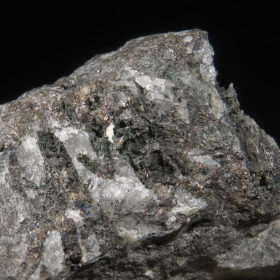
Flexible bifacial kesterite solar cell at 9.3% efficiency
Scientists in China developed a new kesterite solar cell they say could be suitable for indoor or outdoor applications. The bifacial solar cell reached 9.3% frontside efficiency, and also achieved a 9.0% on the backside.
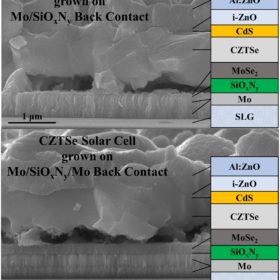
New manufacturing method for kesterite solar cells
German scientists have designed a manufacturing process to reduce the thickness of the molybdenum diselenide interface layer in kesterite solar cells. They used two different configurations of silicon-oxynitride diffusion-barrier layers.
Cadmium sulfide-free kesterite solar cell with 11.22% efficiency
South Korean scientists have built a kesterite solar cell based on a zinc tin oxide (ZTO) buffer layer. It offers almost the same efficiency as kesterite cells based on toxic cadmium sulfide buffer layers, as the energy of the electrons between the kesterite absorber layer and ZTO buffer layer are aligned.
Kesterite solar cell with 8.66% efficiency and fill factor of 62.63%
Researchers in South Korea have analyzed the effects of alkali doping on the fill factor of kesterite solar cells and have built a device on a flexible metal foil optimized with a sodium fluoride doping layer.
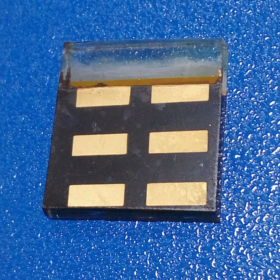
New molecular precursor for kesterite solar cells
Scientists in India have developed a new molecular precursor for applications in kesterite solar cells. They used the precursor to build a superstrate type solar cell with an efficiency that is purportedly among the highest ever recorded. They relied on a low-temperature process to manufacture the device.
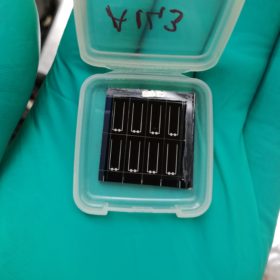
New process for kesterite solar cells with 10% efficiency
German scientists have developed a new process for the formation of a phase pure kesterite Cu2ZnSnSe4 (CZTSe), which they claim can improve the material homogeneity and suppress the well-known issue of tin losses. The new technique is based on stacked elemental and alloyed precursors with a Zn/Cu-Sn/Zn precursor structure.
