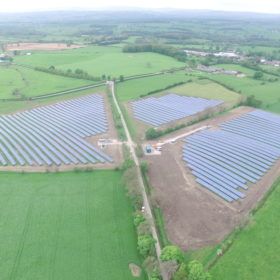
Solar ‘could soon be UK’s cheapest source of energy’
The U.K. Solar Trade Association has published a new assessment, finding that the cost of generating solar electricity in the British Isles has already fallen far below its earlier predictions, and could reach GBP 40 (US$50)/MWh by 2030.
Solar, wind cheapest source of new generation in major economies – report
Solar and/or wind are said to be the cheapest source of new energy generation in all major economies, apart from Japan, finds BloombergNEF. It adds that China’s utility-scale PV market has contracted by over a third this year; and that battery costs are set to drop a further 66% by 2030, driven by EV adoption.
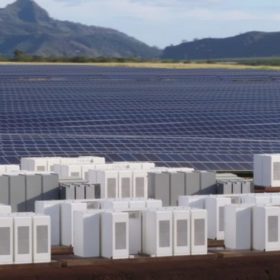
Renewables 2.0: Preparing for the new complexity of renewable energy in a post-subsidy world
As the deployment of renewable energy continues to expand around the world, driven by various inputs, such as capital allocation and investment, falling capital costs, competitive LCOE and various policy mechanisms, we are now moving towards a new era for renewable energy. ‘Renewables 2.0’ will have significant, wide-ranging consequences for all market players, as regulators reduce their support and power producers seek new revenue models. In this article, Duncan Ritchie, partner at Apricum – The Cleantech Advisory, will look at the key market developments for renewables, explode the myth of grid parity, highlight the need for flexibility and explain the importance of new financing solutions that are capable of meeting the new complexities brought about by ‘Renewables 2.0’.
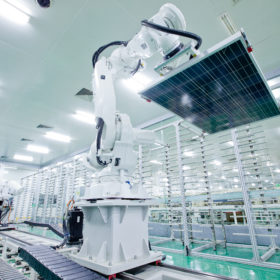
Jinko’s approach to PID-resistant PV modules
Talking to pv magazine, Andrea Viaro, head of technical service Europe for JinkoSolar, explains how the Chinese manufacturer is dealing with PID degradation.
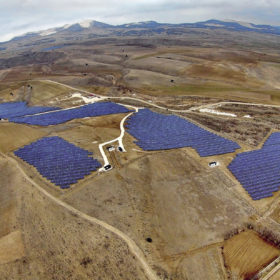
Fossil fuel global grip being loosened by holy trinity of affordable PV, wind and storage, finds BNEF
‘Unprecedented challenge’ for fossil fuels as low LCOE for solar and wind power, allied to tumbling storage costs, sees renewables claim larger share of bulk and dispatchable generation while adding vital flexibility to global energy mix.
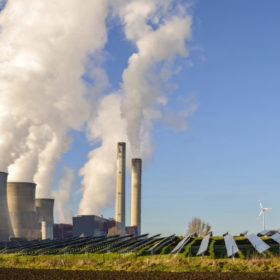
PV has the lowest LCOE in Germany, finds Fraunhofer ISE
According to Fraunhofer ISE experts, PV’s Levelized Cost of Energy (LCOE) currently ranges between €0.0371 and €0.1154 per kWh in Germany. The potential for further cost reductions is vast, the researchers add.

8th IRENA Assembly: Utility scale solar LCOE falls 73% since 2010
All forms of renewable energy will be cost competitive with traditional generation sources by 2020. This was one of the key findings in the latest report from the International Renewable Energy Agency (IRENA). It was delivered yesterday at IRENA’s 8th annual Assembly in Abu Dhabi.
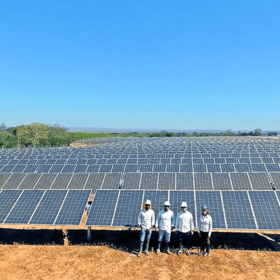
Lazard shows ongoing cost declines in solar (w/ charts)
The consultancy’s 2017 study finds that the global cost of utility-scale solar has reached an unsubsidized LCOE of under $50 per megawatt-hour, making new solar cost-competitive with running existing coal or nuclear plants.
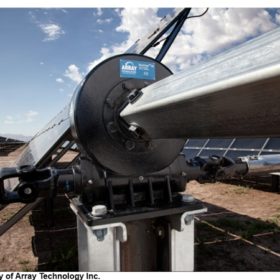
Array Technologies to roll out tracker services unit
Albuquerque-based Array plans to roll out a new services division to accompany its growing tracker business.
