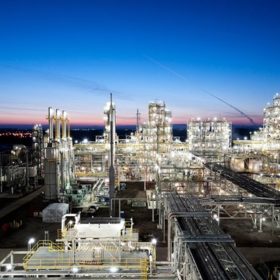
REC Silicon’s polysilicon sales rise 18% sequentially in Q2, net loss increases
The Norwegian polysilicon producer saw its revenue drop slightly Y-o-Y to $61.0 million in the latest quarter. Average solar grade polysilicon prices, on the other hand, dropped by 6.9% from the previous quarter.

SolarWorld announces lay-off plan
The company said that continuing it’s business operations is possible only with reduced staff. Production must keep going in the interest of possible future investors.
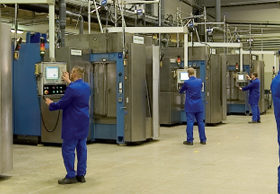
PV Crystalox confirms closing of ingot production in the UK
The British manufacturer will now source ingots from a third-party supplier and process these into blocks in the U.K.
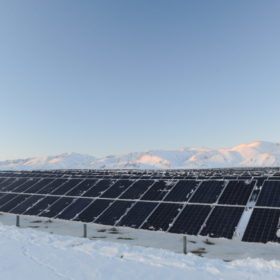
Hevel Group doubles solar module output to 160 MW following heterojunction embrace
The Russian solar firm has begun manufacturing heterojunction solar modules at its PV plant in Novocheboksarsk in the Chuvash Republic, thereby doubling its output capacity to 160 MW.
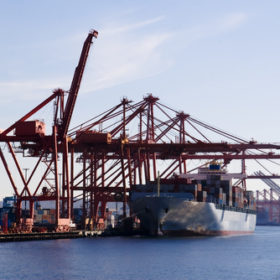
China’s East Hope Group signs $300m MoU with Adani to build Indian manufacturing unit
The two industrial giants will develop a large fab at a port in the Mundra economic zone in Gujarat, which will manufacture solar power generation equipment as well as other goods.
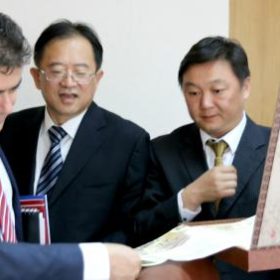
China’s Sinomach Group plans solar module factory in Moldova
The Chinese industrial conglomerate intends to take advantage of the fiscal incentives offered by the local government for industrial projects.

Open letter: European PV industry needs urgent measures
The PV research and upstream organizations ETIP, EUREC and Solarunited have submitted seven requests to all EU policy makers. According to the three entities, the entire PV supply chain must be preserved in Europe in order to give a future to the market and the R&D sector. The reason for the letter was the insolvency of Solarworld, which has spread fears that Europe could completely lose contact with the global market.
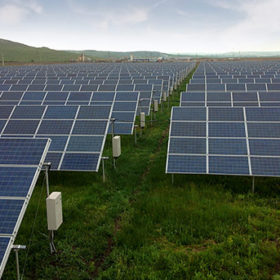
Recom acquires French module maker Sillia
The French manufacturer filed for insolvency in March. The Tribunal of Commerce of Lyon had received two bids for the acquisition of the company.
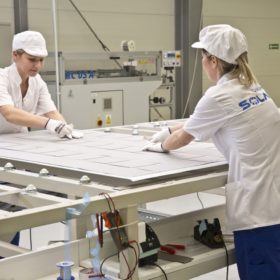
Polish module maker Bruk-Bet Solar raises annual capacity to 120 MW
The Polish solar module manufacturer equipped its factory with a Matrix Assembly System MAS3.8 from the Swiss manufacturer Meyer Burger, with two STR2000 stringers and the NG3622 XLCP laminator.
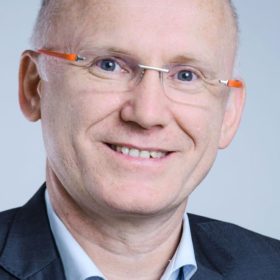
Interview: Europe needs big PV manufacturers
Xavier Daval, the president of the French solar association SER-SOLER, spoke with pv magazine about the necessity of creating a large European industrial group specialized in solar module production. Leaving solar manufacturing to China and the United States, Daval said, would make Europe energy dependent for the next decades.
