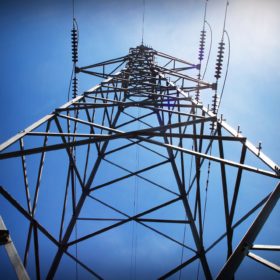
Hydrogen production as an antidote to grid constraints in northern Netherlands
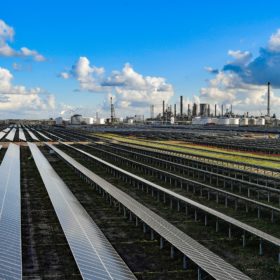
Dutch transmission system operator Enexis, gas provider Gasunie and oil company NAM are considering diverting excess solar capacity in Drenthe province into hydrogen production. The companies are assessing which wind and solar projects may have been excluded from the grid.

Netherlands: Bid to exclude grid-congested areas from subsidy fails to stem solar tide
Some 7,525 renewables projects with a total generation capacity of 6,223 MW are under review by the Dutch Ministry of Economy in the second round of the SDE+ program for this year. Solar accounts for 74.7% of the submitted capacity.
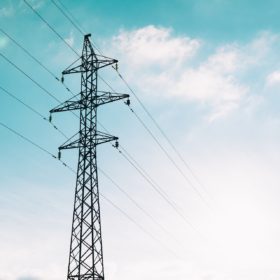
Netherlands grid constraints becoming serious threat to solar
Three energy associations, including Holland Solar, have asked the Dutch parliament to take action amid worsening grid connection problems for renewable energy projects in the Netherlands. According to the energy groups, around 700 MW of solar and wind projects allocated under the SDE+ incentive program could lose their payments if they miss connection deadlines.
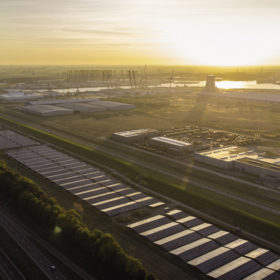
Netherlands to reach 27 GW of solar by 2030
The Netherlands Environmental Assessment Agency expects the nation’s solar generation capacity to have increased by another 5 GW by the end of next year, from around 4.4 GW at the end of 2018. By the end of 2023, installed PV capacity is predicted to reach approximately 15 GW.
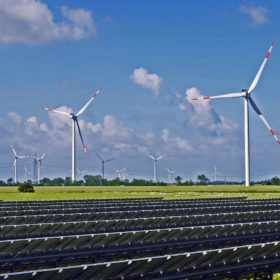
Dutch government seeks to privatize Tennet
Tennet needs more than €4.75 billion to invest in cross-border grid infrastructure between Germany and the Netherlands, as rising volumes of solar and wind are complicating network operations, said Dutch Finance Minister Wopke Hoekstra in a recent letter to the Dutch parliament, adding that the government may need to privatize the state-owned transmission system operator or sell off a stake in it.

The bearable lightness of solar
The weight of a thin-film rooftop PV installation at Netherlands football club AZ Alkmaar has been highlighted in media reports as a possible cause of a stadium roof collapse. However, a full investigation is yet to be launched and one German specialist said studies have shown flush-mount PV panels do not increase static wind loads on rooftops.
Netherlands introduces soft restrictions for solar parks on agricultural land
The Dutch parliament has approved a motion made by the governing coalition to restrict construction of large scale solar plants on agricultural land but has watered down its provisions. Under the legislation, solar parks will only be permitted on agricultural land in areas where no smaller alternative projects are viable.

Netherlands to issue green bonds worth up to €6 billion
On May 21, the triple-A rated nation will issue 20-year bonds for sustainable investments undertaken by its government. Eligible projects will include large scale renewable energy plants developed under the SDE+ incentive program.
Another 3 GW on the way for the Netherlands PV market
The slew of new capacity will come from projects allocated from the bids received for the autumn 2018 round of the SDE+ program for large scale renewables. The Dutch Central Agency for Statistics revealed new PV additions last year were 200 MW more than predicted, at 1.5 GW, and the government last week announced net metering conditions for rooftop solar would be maintained until 2023.
Global renewables R&D will further drive down energy transition cost
The Netherlands’ Organisation for Applied Scientific Research says renewables would not only contribute to a cheaper energy system but would also create more opportunities for new business, exports and jobs – as well as a cleaner environment.
