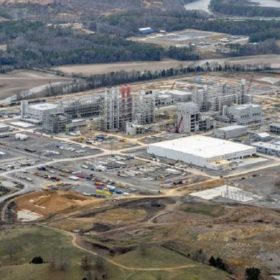
Four injured in ‘incident’ at Wacker’s US polysilicon factory
The German chemicals producer said that the issue involved four contractors doing maintenance on non-operational equipment.
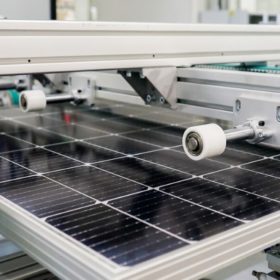
Chinese PV Industry Brief: Polysilicon, module prices continue to rise
Polysilicon prices continued to soar this week. Prices have been rising across the PV supply chain since mid-July due to recent accidents at two Chinese polysilicon factories, according to EnergyTrend.
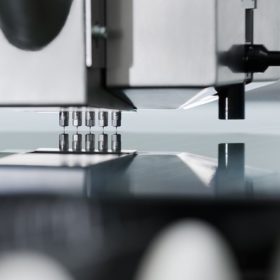
German PV production equipment suppliers see worst sales slump since industry hit rock bottom
Industry body the VDMA said business fell 55% from the final three months of last year to the first quarter of this year for the worst retreat since 2012. The nature of the order book and sales figures can both be explained by the global progress of Covid-19, according to the organization.
Comtec Solar insists it remains viable following dismal 2019
The Chinese solar manufacturer has finally addressed lingering uncertainty about its future with the release of the audited version of its 2019 financial results.

Covid-19 and dependence on China’s PV supply chain
The Asian Development Bank says developing countries in Asia and the Pacific should consider developing their own solar industry supply chains as the Covid-19 pandemic has exposed their over-reliance on China to carry through the energy transition.
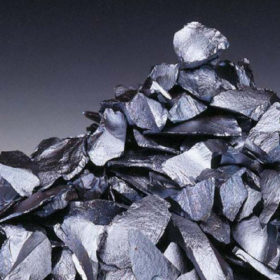
Daqo shrugs off Covid-19 fears with positive outlook for 2020
The Chinese polysilicon giant’s net income fell nearly 23% year on year to $29.5 million in fiscal 2019, even though it posted a 16% year-on-year jump in revenue to $350 million. It expects its polysilicon output to soar in the year ahead, despite the threat posed by the coronavirus outbreak.
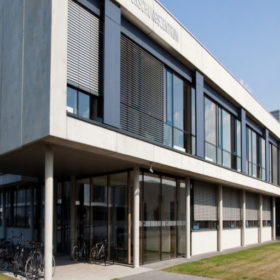
Hanwha officially exits polysilicon business
Hanwha Solutions has confirmed that it will shut down its polysilicon business over the course of the next year, only a week after saying that it was still evaluating its plans for the sector.
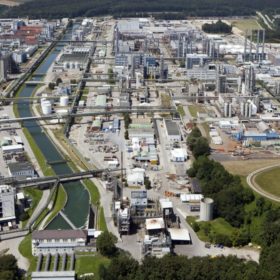
German polysilicon maker will cut 1,000 jobs
Wacker Chemie has taken the first steps of its restructuring program with the lay-offs set to particularly affect its German locations. Poor performance by the chemical company’s polysilicon business is the main cause of the crisis.
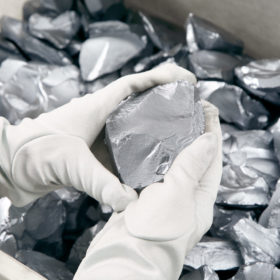
Is this the end for Korean polysilicon?
The nation’s only two poly manufacturers could both shutter factories in their homeland due to downward price pressure. OCI says it will maintain only 6,500 MT of its 52,000 MT annual production capacity in an operational state and Hanwha Chemical says it is ‘examining the situation’. Poly analyst Johannes Bernreuter has discussed the reasons for the crisis with pv magazine.
Coronavirus to have limited impact on Chinese polysilicon industry
Analyst Johannes Bernreuter says most of China’s polysilicon production capacity is in regions away from the center of the coronavirus outbreak. He added, however, 27% of the nation’s 510,000-ton annual polysilicon capacity could be affected.
