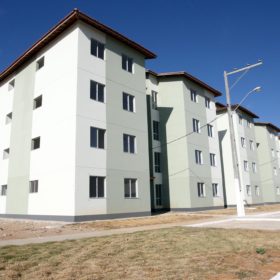
Brazil to include rooftop solar in low-income housing program “Minha Casa, Minha Vida”
The Brazilian government said it is planning to issue a decree to include the installation of rooftop PV arrays in all new buildings erected under the program by the end of 2017.
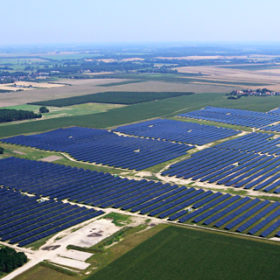
Solar Frontier reports stable demand in H1 of fiscal 2017
The Japanese CIS module maker said it is now focusing on the domestic market, as its overseas business is facing tough competition.
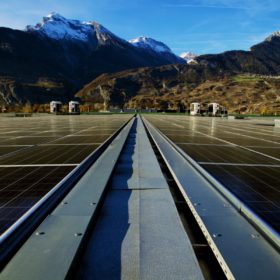
French government assigns 75 MW of FIT contracts in solar tender for Corsica and the overseas territories
The tender, which was launched in December 2016, was open to solar-plus-storage projects and PV projects for self-consumption.

Colombia issues $66.7 million green bond
The funds will be used by the public bank Bancoldex to support unspeficied projects that help mitigate climate change impacts.
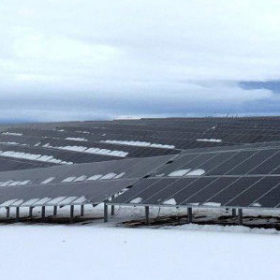
Phoenix Solar reports 20% revenue drop for first half of 2017
In the first half of this year, the company also saw its operating loss widen. Phoenix Solar, however, has released an optimistic guidance for full fiscal 2017.
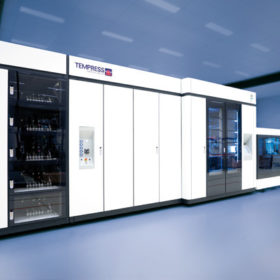
Amtech sees turnover and profits climb in Q2 of fiscal 2017
The U.S. supplier of automation systems for the PV industry said its performance in the quarter was its best results since its solar business unit peaked in the third and fourth fiscal quarters of 2011.

Manz’s Ebit swings to profit thanks to sale of CIGS technology company
Turnover for the first half of this year was slightly down from the previous year. Large order intakes from China, however, will lead to a substantial improvement of the company’s result for full fiscal year.

Saudi Arabia issues net metering scheme for small-scale solar
The Middle Eastern country has so far mainly supported large-scale projects. The new rules, which will apply to projects not exceeding 1 MW, will come into force in mid-2018.
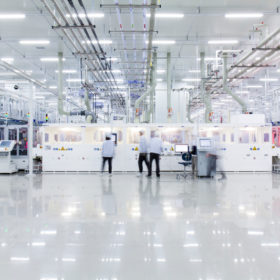
Profits rise again for Hanwha Q Cells in second quarter
With revenue and gross profit up on Q1, the South Korean vertically integrated solar company continues strengthening its financial position, reducing its debt-to-equity ratio by 80%.
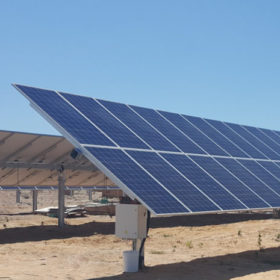
EDF to acquire 80% stake in Brazilian solar farm
Canadian solar has announced the sale of an 80% in a 92.5 MW project located in Brazil. The stake is to be acquired by EDF Energies Nouvelles, representing the third deal in a row between the two energy giants.
