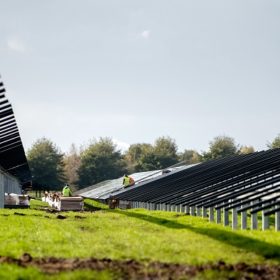
Netherlands a gigawatt solar market
The Dutch PV sector is expected to have grown by 1.3-1.5 GW in 2018. The growth, which marks the Netherlands’ entry into Europe’s gigawatt club, was mainly due to the connection of large-scale projects under the SDE+ program. The nation’s cumulative installed PV capacity should have surpassed 4 GW as the Dutch government prepares to reduce the SDE+ budget.

Iraq takes first concrete steps into solar
The United Nations Development Program wants consultants for Iraq’s PV policy, aimed at helping the Ministry of Electricity in the construction of utility-scale solar plants, as well as in the deployment of 5 MW of residential PV. Frost and Sullivan forecasts around 5 GW of solar capacity may be installed by 2028.
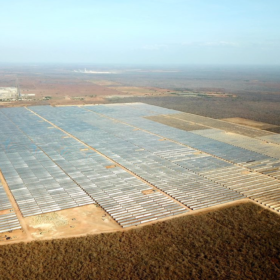
Almost half of Brazil’s tendered large-scale PV has been connected
Including 80 MW of additional capacity at the testing stage, the country’s deployed PV capacity from large-scale solar auctions reached around 2.3 GW last year, according to a report by consultancy Greener. The study reveals a further 962 MW may be connected this year. Jinko, Canadian Solar and BYD are the largest module suppliers for the segment.

Saudi Arabia plans new long-term RE targets, will resume tenders
Although the Saudi authorities were expected to launch tenders for 3.3 GW of solar last year, these were postponed. According to local industry sources, when new targets for renewables are set and more clarity on solar capacity expansion provided, the first tenders will be issued. The new targets are expected to also include the ambitious 200 GW project announced by the Saudi Government last March.
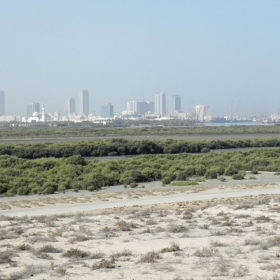
UAE: 200 MW solar park under development in emirate of Umm Al Quwain
With Dubai and Abu Dhabi having already implemented big plans for solar energy development, the small northern emirate of Umm Al Quwain has now announced its first large-scale solar power project.
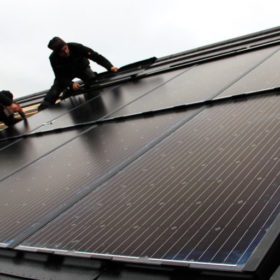
Germany adds another 223.6 MW of PV in November
Overall, the country’s cumulative installed PV power has now surpassed 45.55 GW. In the first 11 months of 2018, newly registered PV capacity reached 2.6 GW.
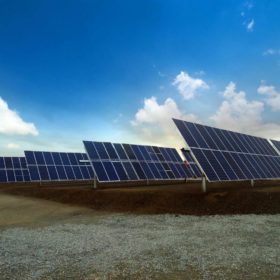
Wind, solar could be self-financing by 2025 under current European electricity market design
According to a report from the Centre on Regulation in Europe (CERRE), lower capital costs for large-scale wind and solar projects, and much higher fossil fuel and carbon prices could lead to renewables becoming self financing by 2025. If these conditions do not materialize, more auctions and tenders may still be needed.
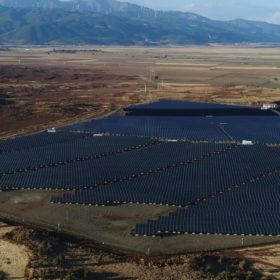
Turkey hits 5 GW of registered PV capacity
A total of 1.58 GW of new PV systems have been registered with Turkey’s grid administrator in 2018. Of this new capacity, 1.51 GW is in the unlicensed project segment, for arrays up to 1 MW in capacity, while the remaining 63 MW is for larger projects that had been successful in bidding for PEKA auctions.
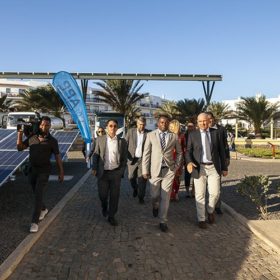
Cape Verde commissions solar plant, sets 2030 RE target at 50%
Although renewable energy targets have been revised down, the archipelago’s government said that wind and solar will still see their share increase considerably over the next decade.
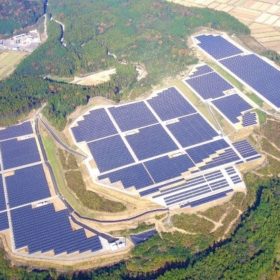
Japan postpones FIT cuts by six months for projects over 2 MW
A reduction of the feed-in tariff to ¥21/kWh (around US$0.19) for projects over 2 MW in size and approved between 2012 and 2014 will be applied starting from September 2019 and not from March, as originally planned. For approved projects with a capacity of less than 2 MW, however, no postponement has been granted.
