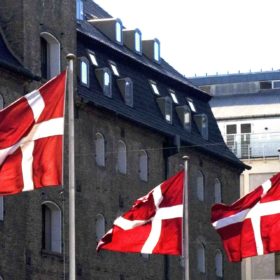
Denmark’s Energy Commission says incentives for renewables should be phased-out
A recently created Energy Commission has advised the Danish government to phase-out incentives for renewables, at the same rate as the technology becomes competitive with other energy sources. Meanwhile, Denmark has added only 3.7 MW of PV so far this year.

Kosovo must do more for renewables, EU says
The European Commission has said that Kosovo’s government needs to increase efforts to improve its energy system, and to provide more support for renewables, although it has recently revised its energy (and renewable energy) strategy up to 2020.
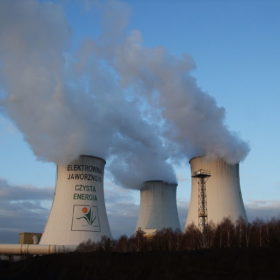
Poland to miss 2020 EU renewable energy target, Ecofys
Poland is set to miss its target of covering up to 15% of energy demand with renewables by 2020. Under the most favorable scenario provided by a report released by local consultancy Ecofys, new additions for solar may reach 695 GWh, while the country is expected to reach a target of only 13.8% by the end of the decade.
French presidential election: what to expect for solar from the winners of the first round?
Both winners of the first round have said they want more solar during their electoral campaigns. While Macron promises to double installed PV capacity by 2022, Le Pen claims she will push for a massive deployment of solar and biomass (not wind), although under an “intelligent protectionism”.
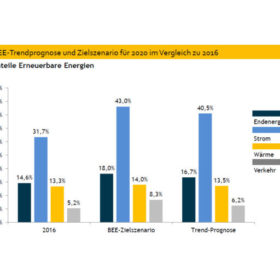
Germany could miss 2020 renewable energy target, report says
According to German renewable energy association BEE, the country could fail to reach its 2020 EU target for renewables covering 18% of its total energy consumption. The association claims that if Germany aims to achieve this target, an additional 22 TWh of electricity from renewables per year must come from the power, heat and transport sectors.
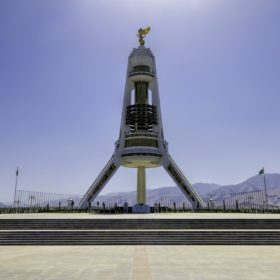
OSCE helps Turkmenistan take advantage of its solar potential
The international organization has organized an event to help local government and institutions to develop a national strategy for solar energy.
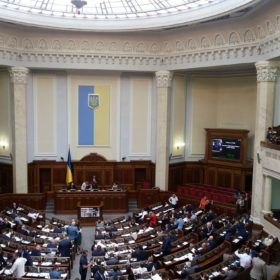
Ukraine approves new law to make energy market more competitive
The eastern European country has adopted a new law to liberalize the energy market and to meet requirements of the EU energy legislation. State support for renewable energies will be maintained.
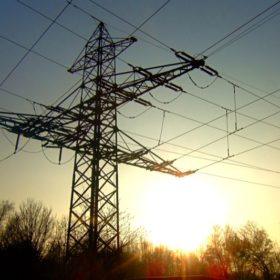
France’s power and gas system operators enter partnership to improve integration of renewables
RTE and GRTgaz have created a common databank to analyze how power production from renewables can be better integrated into France’s electricity system.
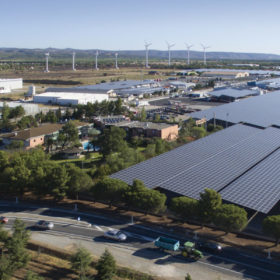
Engie takes full control of solar and wind unit Compagnie du Vent
The French energy giant has acquired 100% of its renewable energy subsidiary Compagnie du Vent. The unit has installed over 500 MW of PV capacity to date.
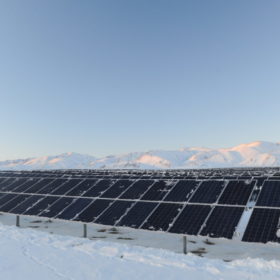
IRENA: Russia has potential to double 2030 solar target to 5 GW
The international agency describes Russia’s difficult transition to clean power generation technologies. The study, however, outlines the country’s strong solar potential.
