
Germany: Potential grand coalition partners, CDU/CSU and SPD want auctions for 4 GW of solar, wind
Negotiators of the three German parties have agreed on a common preliminary paper. They also agreed on additional tenders for large-scale solar and wind power projects, with a volume of 4 GW in the years 2019 and 2020.
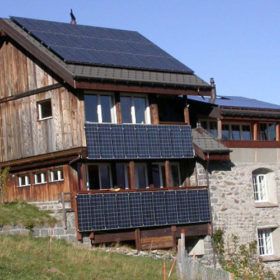
Switzerland: New PV additions for 2017 range between 250 and 270 MW
According to provisional figures released by Swissolar, solar demand remained stable in the country last year. Looking ahead, the association expects another 300 MW to be deployed this year.

Portugal: ‘Unsubsidized’ approved large-scale PV projects top 756 MW, first private solar PPA signed
The projects will be developed without direct public incentives and will sell power to the spot market – an option still considered unviable by the local renewable energy sector – or through private PPAs. Meanwhile, local power provider, Axpo Iberia has agreed to buy electricity from a 28 MW solar facility planned in southern Portugal under a 10-year PPA.
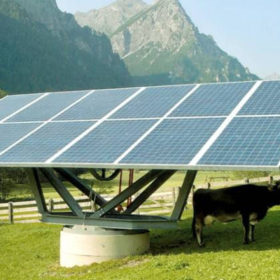
Austrian solar incentives portal overwhelmed with applications, again
Around 3,000 incentive applications were filed with the portal in the first five minutes after it was activated. The first-come-first-serve principle, however, will not be applied to determine which developers will have access to the incentive program.
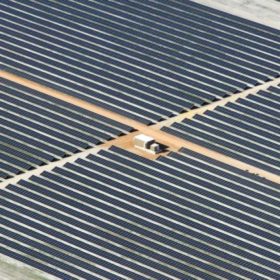
Australia: Rapid large scale solar segment growth potential risk to quality
The rapid build out of a large pipeline of utility scale PV projects around Australia could stretch the experienced installation labour force, threatening quality. Solar industry veteran and the Managing Director of PI Berlin Lars Podlowski made the warning as the company expands into Australia through its acquisition of quality assurance provider SolarBuyer.

France announces winners of 150 MW tender for rooftop PV
Overall, the French government has selected 283 projects in the tender. The final average price was €85/MWh, slightly below the previous tender of the same type. Around 40% of the winning developers were granted the €3/MWh bonus which is guaranteed to the projects partly relying on crowdfunding.

Germany reports high realization rate for PV projects selected in auctions
Around 90% of the projects selected in the third round of the country’s tender program for PV plants ranging in size from 750 kW to 10 MW have reached completion on time.
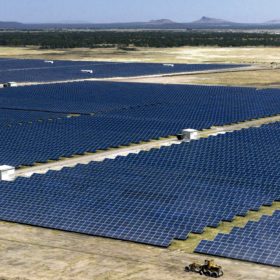
Mexico’s PV capacity reached 460 MW at the end of June
Solar was able to cover just 0.17% of the country’s total power production in the first half of last year, representing 0.62% of total generation capacity.
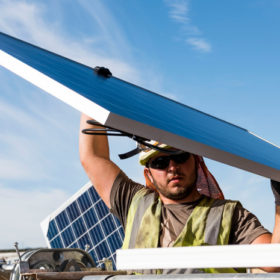
US: 43.5 GW of utility-scale solar proposed through 2020
While the U.S. Federal Energy Regulatory Commission (FERC) continues to struggle with reporting accurate data on existing solar, it has recorded a large volume of proposed projects over the next three years.

Gigawatt Global and Energiya to install 100 MW of PV in Ethiopia
The Dutch-U.S. solar developer and the Israeli company are teaming up to construct 10 solar power plants with a capacity of 10 MW each at several university campuses in Ethiopia.
