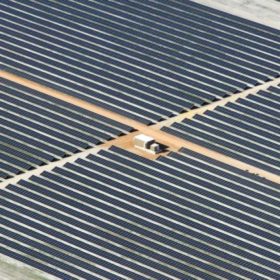
Australia: Rapid large scale solar segment growth potential risk to quality
The rapid build out of a large pipeline of utility scale PV projects around Australia could stretch the experienced installation labour force, threatening quality. Solar industry veteran and the Managing Director of PI Berlin Lars Podlowski made the warning as the company expands into Australia through its acquisition of quality assurance provider SolarBuyer.
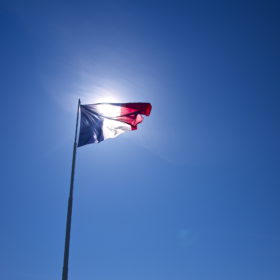
France announces winners of 150 MW tender for rooftop PV
Overall, the French government has selected 283 projects in the tender. The final average price was €85/MWh, slightly below the previous tender of the same type. Around 40% of the winning developers were granted the €3/MWh bonus which is guaranteed to the projects partly relying on crowdfunding.

Germany reports high realization rate for PV projects selected in auctions
Around 90% of the projects selected in the third round of the country’s tender program for PV plants ranging in size from 750 kW to 10 MW have reached completion on time.
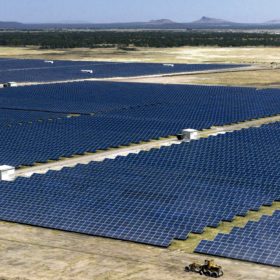
Mexico’s PV capacity reached 460 MW at the end of June
Solar was able to cover just 0.17% of the country’s total power production in the first half of last year, representing 0.62% of total generation capacity.
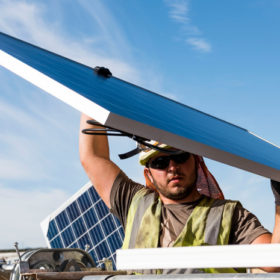
US: 43.5 GW of utility-scale solar proposed through 2020
While the U.S. Federal Energy Regulatory Commission (FERC) continues to struggle with reporting accurate data on existing solar, it has recorded a large volume of proposed projects over the next three years.
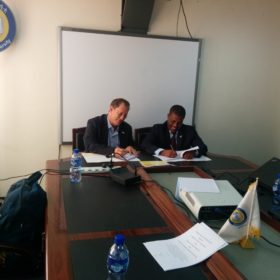
Gigawatt Global and Energiya to install 100 MW of PV in Ethiopia
The Dutch-U.S. solar developer and the Israeli company are teaming up to construct 10 solar power plants with a capacity of 10 MW each at several university campuses in Ethiopia.
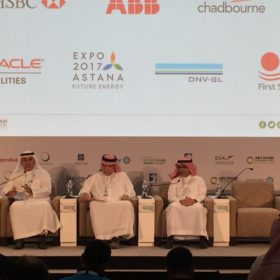
Saudi Arabia announces shortlist for 300 MW tender, excludes lowest bid
Shortlisted bidders are Saudi energy company, ACWA and Japanese trading company, Marubeni, which submitted the second and third lowest bids, respectively. The lowest bid, which was proposed by consortium formed by UAE-based Masdar and French energy giant, EDF and could have become the world’s cheapest offer for solar energy, was excluded from the auction.
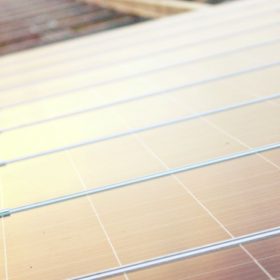
Australia’s CEFC steps up to finance 70 MW Oakey 2 project
The Clean Energy Finance Corporation (CEFC) is continuing to foster utility scale PV growth in Queensland, providing $55 million in non-recourse project finance to the Oakey 2 Solar Farm. Canadian Solar will supply modules for the project and will also serve as EPC.

Netherlands allocates €147 million in fiscal incentives for enterprises investing in solar, renewables
The Energy Investment Allowance (EIA) is a fiscal measure that offers the possibility for an additional allowance on taxable profit.

Argentina: New distributed generation provisions come into force
The publication of the law in Argentina’s Official Journal marks the entry into force of the new rules for the distributed generation of renewable energy sources under net metering.
