
New method to measure solar-powered hydrogen production
Indian researchers have used an “adaptive neuro-fuzzy inference system” to assess the performance of hydrogen production backed by a photovoltaic-thermal collector. They claim it can be applied to other hydrogen production systems.
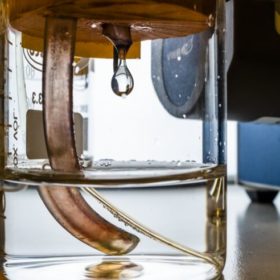
Organic redox flow battery with PEDOT electrodes
Swedish scientists have developed a redox flow battery with polymer electrodes, based on a special conductive polymer known as PEDOT. The battery features a water-based electrolyte based on a solution of redox quinone molecules, which can be extracted from forest-based materials.
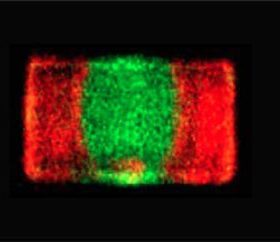
Australian scientists shed light on perovskite problem
Australian researchers have made a significant discovery in the fight against light-induced phase segregation in next-generation PV cells.

PV-powered drone for emergency services
Netherlands-based technology companies Avy and Wattlab have conducted the first test flight of a drone prototype that is planned to be used in medical projects in Africa.
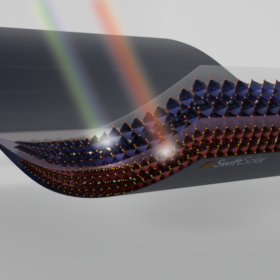
Swift Solar to push perovskite market forward
Born from an Oxford research group, the startup is looking to make its name by developing all-perovskite tandems – something no other company has done.

Nobel Prize-winning auction geniuses want to apply their findings to renewables
Stanford professors Paul R. Milgrom and Robert B. Wilson were awarded the 2020 Nobel Prize in economics for developing a new auction theory and new auction formats for goods and services. Their findings were already successfully used in the electricity energy sector and may now meet the challenge on how to better shape clean energy procurements.
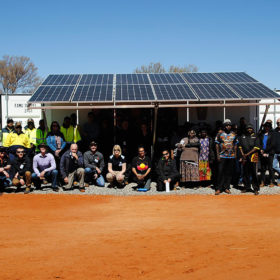
Off-grid solar solution offer water security for remote communities
Solar and energy storage play a key role in Project Gilghi, an off-grid water security system that could help people who have poor access to potable water and sanitation.
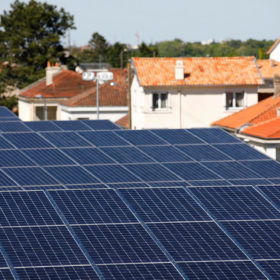
Total and Google Cloud develop tool to predict rooftop PV potential
The Solar Mapper uses artificial intelligence algorithms that compile data extracted from satellite images. It can estimate site solar potential and indicate the most suitable technology.
New algorithm to identify faults in PV systems
A new algorithm identifies five kinds of faults in PV systems, while also detecting when faults have been resolved to prevent false detections. It is based on the least significant difference test, which is a set of individual t-tests comparing the means of two or more pre-determined groups.
Climate change to reduce solar radiation in hot, arid regions
A new Princeton University study shows that PV plants in hot, arid parts of the world, such as the Middle East and the U.S. Southwest, will be particularly affected by climate change.
