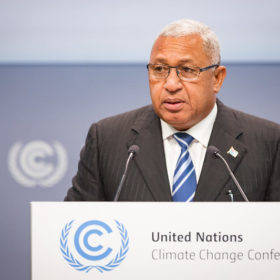
Fiji plans ‘Pacific’s largest solar project’
The island nation has agreed a deal with the World Bank’s International Finance Corporation to develop at least 15 MW of generation capacity in a US$15 million project.
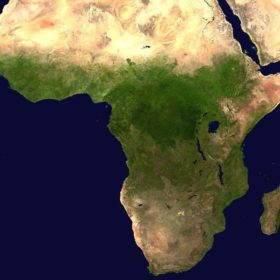
African governments doing too little to drive clean energy
Covid-19 rescue measures such as delaying electricity bill payments pile added pressure onto energy companies already hit by pandemic-related falls in demand in a continent which a new study suggests is too dependent on donor aid for the development of renewables.
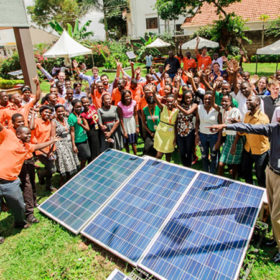
Fall in off-grid solar sales deprives 5m people of access to clean power
The latest edition of the Global Off-grid Solar Market Report by the World Bank and GOGLA has called for regulatory and financial support to help off-grid distributors create jobs lost to the Covid-19 pandemic.
German company scores $9m solar pump order in Bangladesh
Raach Solar and its Power Utility Bangladesh Ltd local partner have landed two contracts to supply more than 700 pumps in the north-western Bogra district, with the Asian Development Bank footing the bill.
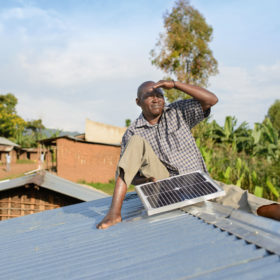
Off-grid solar funding concentrated in just three companies
With a previous 50-50 split between equity and debt investment funding for the off-grid market lurching to 84% borrowing, and commentators stating most of this year’s backing was agreed before the onset of Covid-19, fears are mounting about the prospects for the sector.
Qatar’s national solarized fintech strategy
The State of Qatar is a World Bank high-income economy, backed by the world’s third-largest natural gas and oil reserves. Qatar has the third-highest GDP per capita in the world, with very high human development. Similar to other Gulf Cooperation Council states – the United Arab Emirates, Saudi Arabia, Qatar, Oman, Kuwait and Bahrain – Qatar is wrestling with the fluctuations in global hydrocarbons prices that started in 2014 and are now compounded by the Saudi-led embargo since 2017.
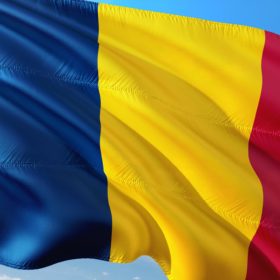
Tender for 32 MW solar project subcontractors in Chad
The planned power plant marks the first phase of a 60 MW scheme 30km north of the capital, N’Djamena. The overall project is being developed by UK-based Private Infrastructure Development Group and French company Smart Energies International.
RES4Africa outlines one-stop-shop program to de-risk investments in African renewable energy projects
RES4Africa’s plan to offer a one-stop-shop to tap consolidate all the European sources of funding for African renewables aims to de-risk investments in large-scale renewable energy projects in the continent. The 171-page report entitled “Scaling Up Africa’s renewable power” provides an update on the “renewAfrica Initiative” launched by the RES4Africa foundation together with a range of European stakeholders one year ago.
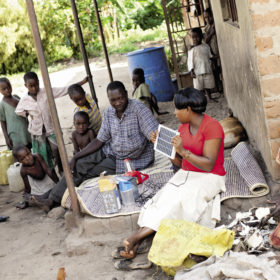
Universal energy access just got harder
This year marks a uniquely critical juncture on the road to universal access to affordable, reliable, sustainable, and modern energy. The massive disruption caused by Covid-19 complicates the outlook to 2030, which is the target date for reaching UN Sustainable Development Goal (SDG) 7, writes Rohit Khanna, manager of the World Bank’s Energy Sector Management Assistance Program.
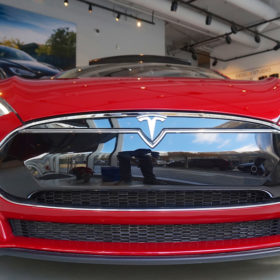
Covid-19 weekly round-up: Predatory takeover fears, Ieefa takes aim at the IEA and diverse perspectives on e-mobility
Analysts appear divided on the effects the public health crisis will have on the EV market even as sales of petrol-engined SUVs soar in China. And Portugal is plowing on with its Covid-delayed national solar tender, an exercise which may help establish whether clean energy thinktank Ieefa is right to predict PV prices will continue to fall.
