About
Investors, insurers and other stakeholders now expect UVID testing of modules before deployment, along with specific assurances that this mechanism won’t threaten project performance further down the line.
In this pv magazine Webinar, we examine the emergence of UVID as a concern for the PV industry, which cell types, processes and material choices most greatly influence a module’s susceptibility to UVID, and what manufacturers are already doing to bring the issue under control.
We also take a closer look at the accelerated testing designed to reveal UVID vulnerabilities, and how this compares to what happens to modules in the field, particularly when installed in high-UV environments such as desert regions or at high altitudes.
Tristan Erion-Lorico, vice president of sales and marketing at module testing lab Kiwa PVEL, will join to share insights on how UVID can affect module performance and the tests designed to reveal susceptibility.
We’ll hear from Yong Sheng Khoo, chief operating officer at Quantified Energy and Johnson Wong, its chief scientist, about large scale field distributions of UVID impacted modules from aerial drone EL imaging footage. From these images, the module power loss can be estimated, and on this basis, one can identify clusters in the solar farm with significant early degradation.
pv magazine Webinar content:
- Understanding and managing UVID susceptibility in PV modules
- Accelerated testing and real-world performance
- Detecting UVID performance loss in operating assets
- Implications for project performance and bankability
- Q&A
Questions can be submitted beforehand in the comments window when registering or in the chat during the live webinar. Mark Hutchins, magazine director at pv magazine, will be the moderator of this webinar.
Speakers
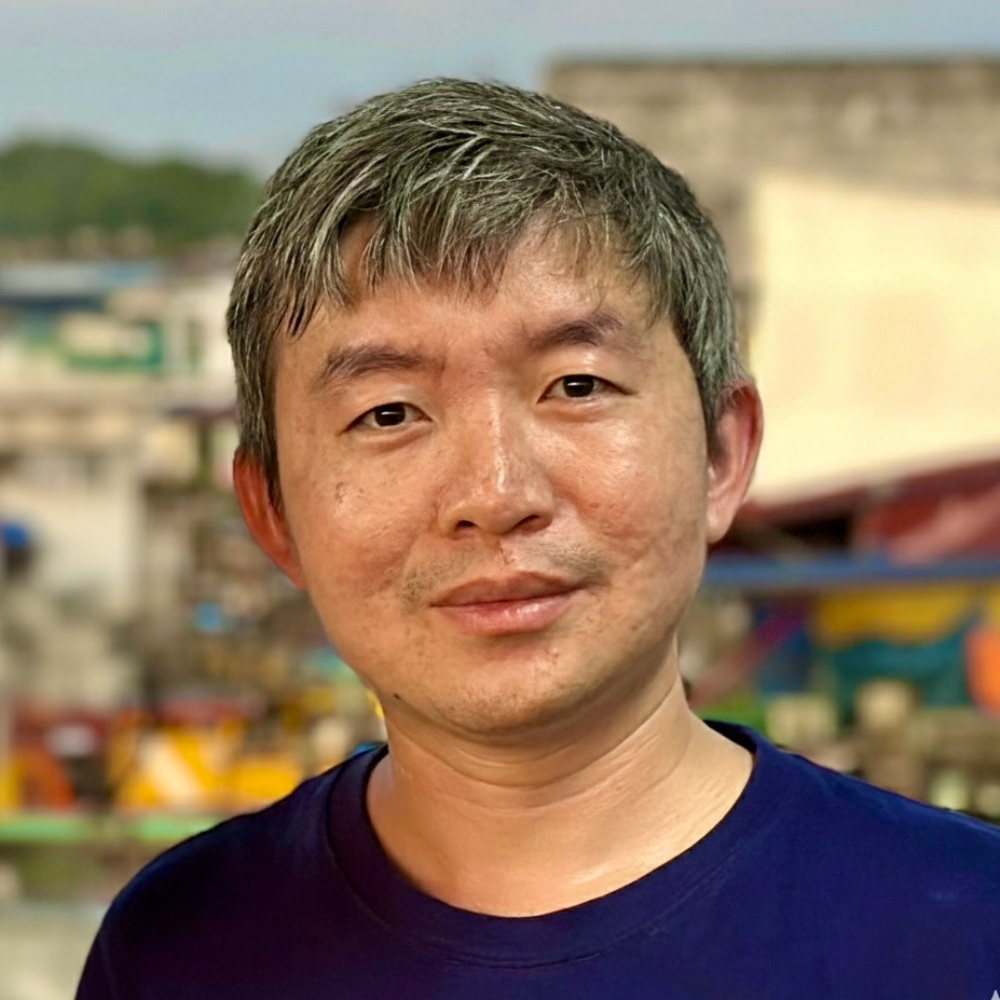
Khoo Yong Sheng is an accomplished expert in the solar photovoltaic (PV) industry with more than a decade of experience. Holding degrees from Cornell University and the National University of Singapore, he previously led teams at the Solar Energy Research Institute of Singapore (SERIS). Honored with the Young Scientist Award in 2016, he co-founded Quantified Energy to revolutionize the solar industry with autonomous drone and digital solutions.
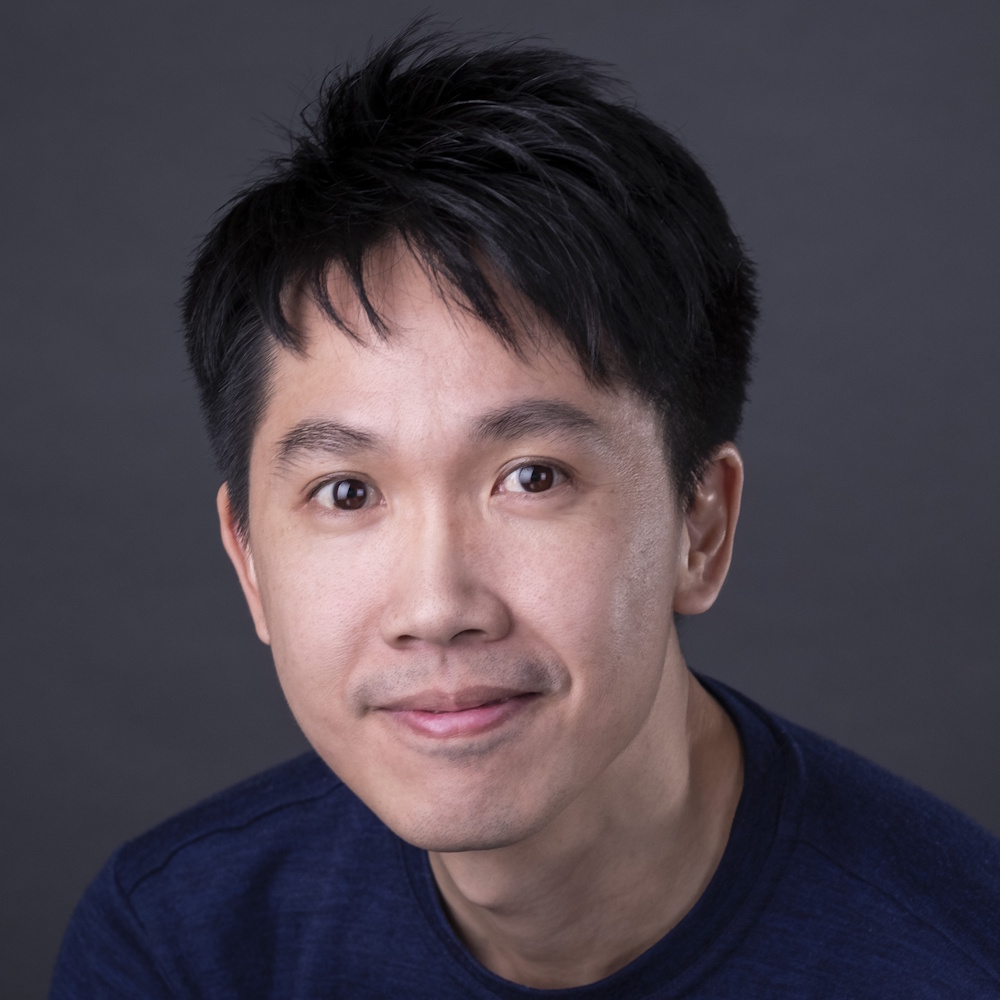

Moderator

Mark Hutchins is Magazine Director. He joined pv magazine in September 2016 as production editor of the monthly global title. Mark also works online reporting on upstream technology and markets, as well as newly emerging solar regions.
More Webinars