Toyota to develop fuel cell vehicles in China

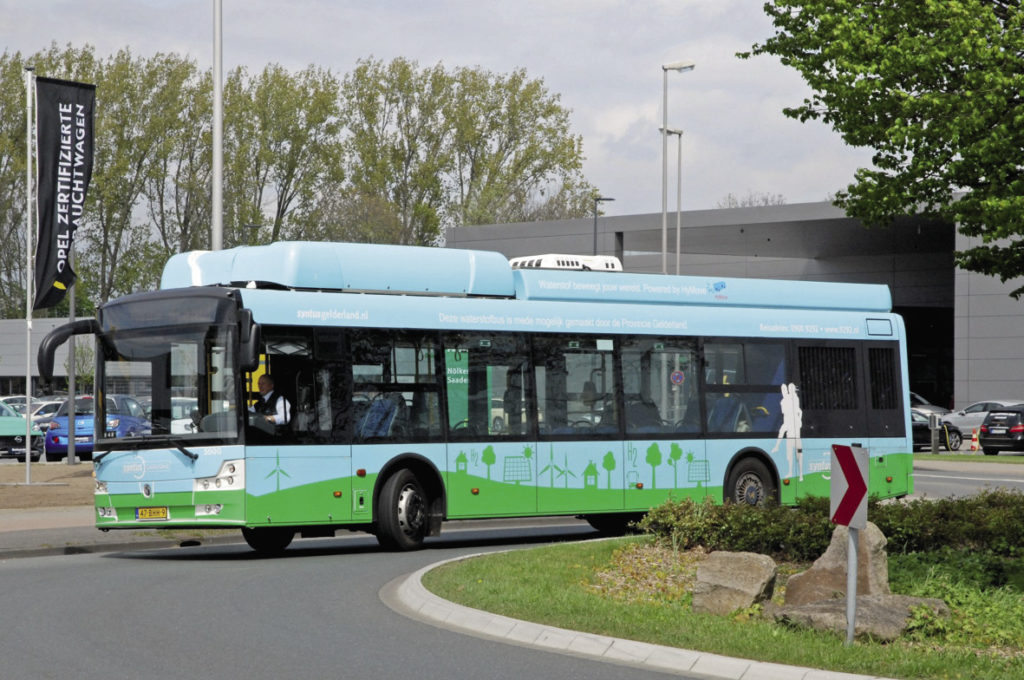
Japanese automotive giant Toyota will hold the controlling stake in a Beijing-based, ¥5 billion ($47 million), six-way joint venture devoted to developing fuel cell-driven commercial vehicles, the company has announced.
The Japanese marque will hold a 65% interest in the planned United Fuel Cell System R&D (Beijing) Co Ltd unit which is set to be constituted this year. Chinese fuel cell vehicle specialist Beijing SinoHytec will have a 15% holding and state-owned Chinese auto companies FAW, Dongfeng Motor, Guangzhou Automobile Group and Beijing Automotive Group will each hold a 5% stake in the venture.
A statement issued by Toyota on Friday said the JV “will support the proliferation of FCEVs [fuel-cell electric vehicles] for the creation of a hydrogen-based society in China and, by promoting and developing FCEVs, will contribute to solving environmental issues including reducing CO2 emissions and curtailing air pollution and [will] work to facilitate the formation of an even better mobility society in China.”
Reporting on the planned investment, the CX Tech technology news portal of Chinese newswire Caixin Global on Monday stated the Chinese government had in April announced an intent to establish industrial supply chains for hydrogen generation and fuel cell vehicles within four years.
Toyota operating officer Shigeki Terashi said: “There is no other automobile market with such a sense of speed and I am extremely confident that we will gain partners we can work with toward the shared target of expanding the use of FCEVs in China.”
This content is protected by copyright and may not be reused. If you want to cooperate with us and would like to reuse some of our content, please contact: [email protected].

Please login to comment

With his relentless ridicule of fuel cells, Elon Musk has limited Tesla to the use of expensive batteries. Yet, by 2030 fuel cell prices will be reduced dramatically with automation and mass production — benefits that cannot translate to raw materials, like the lithium used in battery cars. For a Tesla, you’ll “pay a higher price, you get less of a car.” — Felix Gress
[…] automaker Toyota, Italian gas transmission system operator Snam and Portuguese bus and coach manufacturer CaetanoBus […]