Flixbus plans hydrogen buses on long-distance routes

From pv magazine Spain.
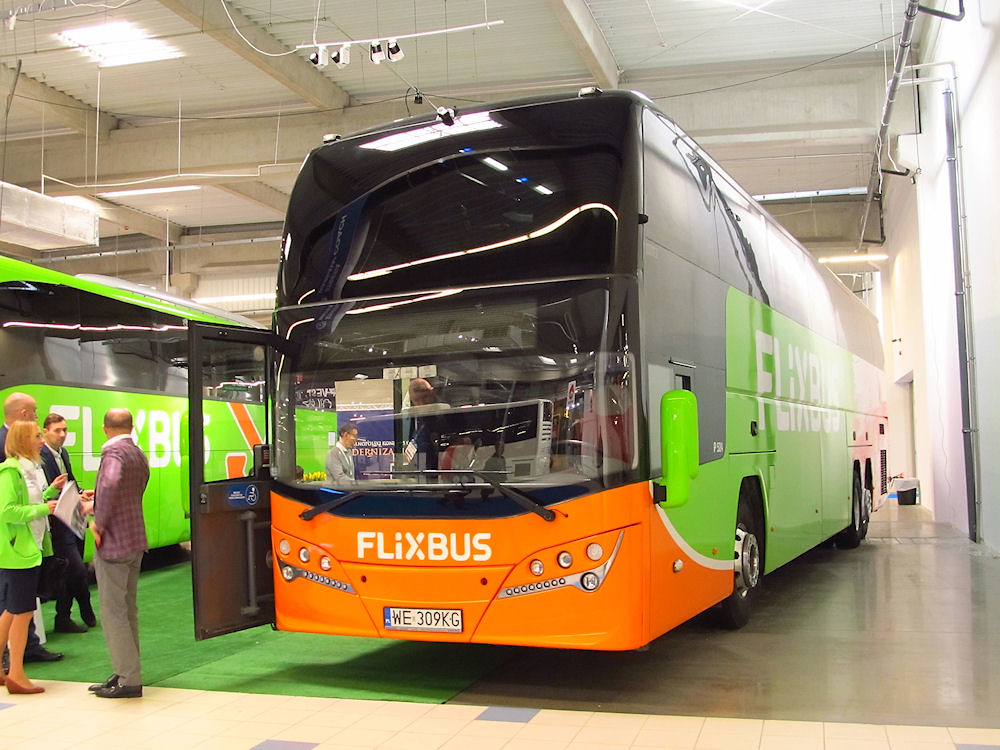
Germany’s FlixMobility, parent company of coach firm FlixBus, is working with electromobility business Freudenberg Sealing Technologies to test hydrogen fuel cell buses on long-distance journeys.
Flixbus said it has already begun talks with bus manufacturers about the introduction of hydrogen models.
“After being the first to successfully launch three fully electric buses, we now want to develop the first long-distance buses powered by fuel cells, along with Freudenberg technology, to mark another milestone in the history of mobility,” said André Schwämmlein, founder and CEO of FlixMobility.
The first e-buses in France and Germany were produced by Chinese manufacturers BYD and Yutong for FlixBus. The company claims fuel cell transport offers European bus makers a chance to participate in the future of sustainable mobility.
Flixmobility said fuel cell vehicles must have a range of at least 500km and refueling should take a maximum of 20 minutes. The performance characteristics of fuel cell buses, such as power and acceleration, must also align with current long-distance bus standards, said the travel company.
Pilot fleet
Claus Möhlenkamp, CEO of Freudenberg Sealing Technologies said: “A hybrid system that properly combines the battery and fuel cells is especially practical for heavy vehicles that cover long distances since purely electric vehicles still do not have the ability to cover long distances. In the first phase of the FlixBus fuel cell project, a representative bus fleet will be equipped with the technology as a pilot test.”
FlixBus – which owns no buses or drivers – offers permitting, network planning, marketing, pricing, quality management and customer services to regional bus companies, which supply coaches and drivers and day to day management of routes. The company was created in Munich in 2011 by three entrepreneurs who wanted to offer sustainable, comfortable and affordable travel. At the same time, MeinFernbus started in Berlin, with its green buses circulating throughout Germany.
The bus market was opened up to competition in Germany in 2013 and the rival startups merged two years later with Flixbus becoming the leader in the German market. In 2015, FlixBus began its international expansion with long-distance networks in France, Italy, Austria, the Netherlands and Croatia and cross-border routes to Scandinavia, Spain, England and Eastern Europe.
This content is protected by copyright and may not be reused. If you want to cooperate with us and would like to reuse some of our content, please contact: [email protected].

Please login to comment

[…] company is owned by FlixMobility, whose CEO André Schwämmlein tells PV Magazine, “After being the first to successfully launch three fully electric buses, we now want to develop […]
[…] (very economic diesel-powered cars use more than 4l/100km). The transportation service provider Flixbus plans to use hydrogen-powered buses on long-distance connections. Other interesting pioneers in the field of large-scale hydrogen usage […]