JinkoSolar’s n-type TOPCon cell achieves 24.58% efficiency via hydrogenation treatment

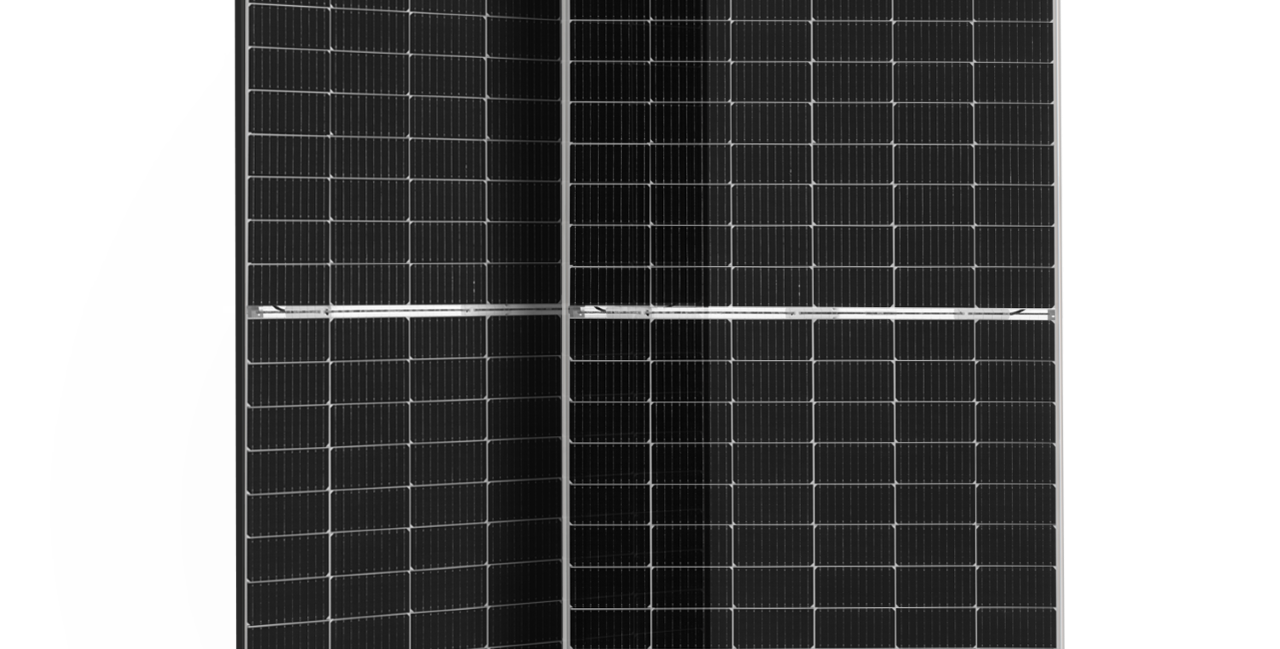
A group of researchers from the University of New South Wales (UNSW), in Australia, and Chinese solar module manufacturer JinkoSolar, claims to have been able to improve the average efficiency of a batch of 50 commercial n-type TOPCon solar cells developed by JinkoSolar itself, by implementing a post-cell hydrogenation process.
Described in the paper 24.58% efficient commercial n-type silicon solar cells with hydrogenation, published in Progress in Photovoltaics, the novel technique consists of incorporating the hydrogenation step in the chemical passivation for the tunnelling oxide, polysilicon contact, during the high-temperature firing for metal contact formation. When applied to this process, hydrogen diffuses from the dielectric layer to the silicon dioxide/crystalline silicon and passivates interfacial defects. “The hydrogenation process was developed at UNSW and is incorporated into the production of n-type TOPCon ‘HOT’ solar cells in a fully industrial environment at JinkoSolar,” the researchers emphasized.
The cells were fabricated with monocrystalline 251.99 cm2 n-type silicon wafers that were diamond wire cut and pyramid textured using an alkaline texturing solution. Tunneling oxide was thermally grown on the cell rear side through a thermal oxidation furnace. Both sides were then passivated with a stack of aluminum oxide (Al2O3), deposited via atomic layer deposition (ALD), and hydrogenated silicon nitride (SiNx) layers, deposited through plasma-enhanced chemical vapor deposition (PECVD). “Front silver/aluminium and rear silver contacts are screen printed with nine front busbars,” the scientists explained. “Cells are fired in a belt furnace to form the contacts, which also simultaneously allows hydrogen to diffuse throughout the bulk of the silicon.” The cells were then exposed to the hydrogenation treatment and heated to up to 600 degrees Celsius in a chamber for around one minute, which allows hydrogen to bond to dangling bonds and defects.
By measuring the performance of the solar cells, the researchers found that the cell’s average open-circuit voltage increased by 7 mV, from 696 to 703 mV, and the average fill factor from 82.03% to 83.07%. “These improvements indicate enhanced bulk passivation and slight surface improvement from the dedicated hydrogenation process, above and beyond the hydrogenation that occurs during the firing process,” the Chinese-Australian team stated, noting that the average cell efficiency grew by 0.64%, from 23.51% to 24.15%.
The research team also developed a champion cell with an efficiency of 24.58% which was confirmed by the Chinese Academy of Sciences. This device also showed an open-circuit voltage of 10.45 V and a fill factor of 82.5%. “This result highlights the potential for incorporating an additional hydrogenation process following firing for the manufacture of commercial n-type TOPCon solar cells,” it concluded.
This content is protected by copyright and may not be reused. If you want to cooperate with us and would like to reuse some of our content, please contact: [email protected].

Please login to comment

[…] solar project costs and a look at challenges going forward.TOPcon vs. PERCTOPCon, which stands for tunnel oxide passivated contacts, is expected to outrace heterojunction (HJT), and the Wood Mackenzie report notes that mono PERC […]
[…] technologie TOPCon (pour tunnel oxide passivated contacts, ou cellules à contacts passivés à oxyde tunnel) devrait bientôt devancer l’hétérojonction […]
[…] solar project costs and a look at challenges going forward.TOPcon vs. PERCTOPCon, which stands for tunnel oxide passivated contacts, is expected to outrace heterojunction (HJT), and the Wood Mackenzie report notes that mono PERC […]
[…] which stands for tunnel oxide passivated contacts, is expected to outrace heterojunction (HJT), and the Wood Mackenzie report notes that mono PERC […]
[…] solar project costs and a look at challenges going forward.TOPcon vs. PERCTOPCon, which stands for tunnel oxide passivated contacts, is expected to outrace heterojunction (HJT), and the Wood Mackenzie report notes that mono PERC […]
[…] which stands for tunnel oxide passivated contacts, is expected to outrace heterojunction (HJT), and the Wood Mackenzie report notes that mono PERC […]
[…] which stands for tunnel oxide passivated contacts, is expected to outrace heterojunction (HJT), and the Wood Mackenzie report notes that mono PERC […]
[…] caused by the cutting and separating process in the production of shingled solar panels based on TOPConand HJT […]
[…] manufacturing facility will have an annual capacity of 1 GW. It will produce solar panels based on tunnel oxide passivated contacts (TOPCon) technology, as well as modules featuring an unspecified tandem […]
[…] контактами (IBC) на основе технологии туннельных оксидно-пассивированных контактов (TOPCon) может помочь улучшить производительность […]
[…] gettering mechanisms on passivating contacts based on polysilicon and silicon monoxide (SiOx) for tunnel oxide passivated contacts (TOPCon) solar cells. The getting technique, which reduces defects in wafer manufacturing, could […]
[…] will keep on investing to support the manufacturing and R&D of cutting-edge N-type technologies. Our capital investment decisions are based on two key disciplines: technology leadership, and […]
[…] ISE have outlined a series of cost-driven strategies to accelerate the industrial upscale of tunnel oxide passivated contacts (TOPCon) solar […]