Australia removes much-criticized DC isolator mandate

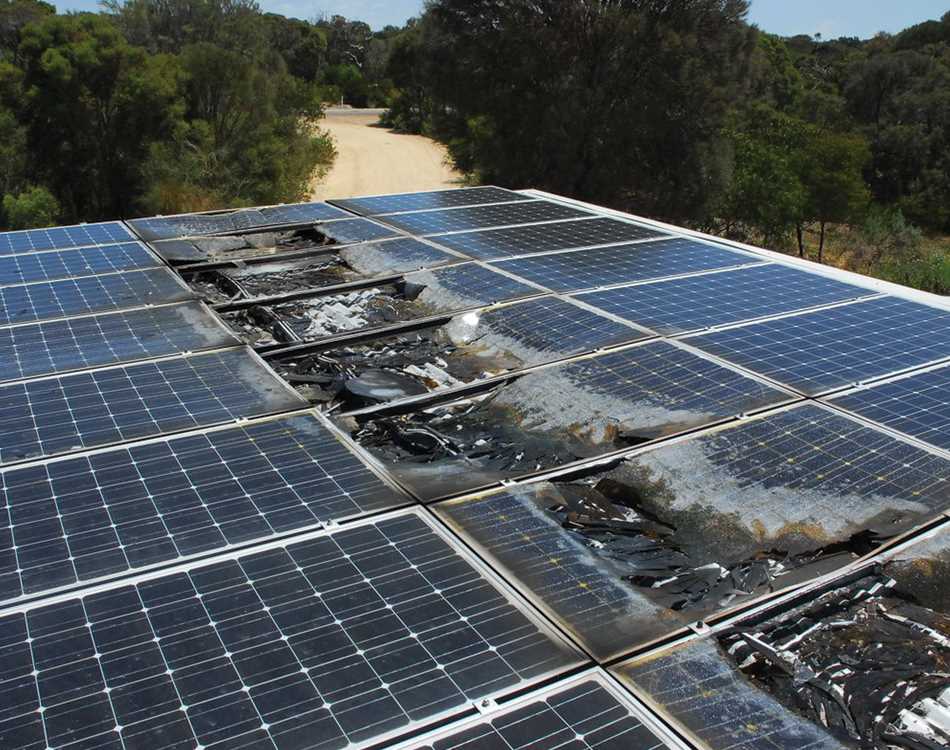
The Australian solar installation standard AS/NZS 5033 has now been updated, removing the mandate for DC isolators to be installed on household solar systems if other safety measures are followed. The changes will come into effect in six months.
The update comes after much lobbying from various corners of industry who claim DC isolators, intended as a safety measure to disconnect solar system’s panels in case of a fault or emergency, actually made systems more vulnerable to fires and faults. Committee El-042, the group responsible for the rule change, received more than 680 submissions during the public comment stage of the rule change after it closed in June.
DC isolators in Australia
DC isolators were mandated in Australia in 2012 through the Australian Standard for PV installations, AS/NZS 5033. This made Australia the only country in the world requiring rooftop DC isolators. Since then, they have been proven by inspection data to be the largest single source of conventional DC solar system failures. DC isolators have also been criticized for making the solar system’s installation process more complex.
While AS/NZS 5033 recommends owners have their PV system inspected regularly and annually for system components like DC isolators, regular inspections were not required under state and territory electrical safety laws. Another disadvantage of isolator components is that they can degrade from environmental exposure due to specific installation methods and product type, increasing the likelihood of water ingress and ultraviolet radiation damage and, as a result, DC isolators may need to be replaced within the life of the panels of a PV system.

Rule changes
Sandy Atkins, who co-chaired the rule change committee, said the decision was made to remove the DC isolator mandate in Australia though because technological changes meant the standard was now limiting for installers. “At the time the 2014 standard was written, solar panels were at most 250W per panel, but technology is quickly changing, and it’s not unusual for panels to be greater than 400W,” Atkins said.
“If you still want to use DC isolators then you can, but if you don’t, the standard allows for other solutions such as disconnection points,” Atkins said.
The committee arrived at its decision after comparing different requirements around the world. In addition to the DC isolator change, it updated several other rule components, including requirements for microinverter installations and DC conditioning units, which it says will enable greater use of technology across larger panels and support better safety outcomes. It also lifted the 600V limit for panels on houses to align with the international standard of 1000V.

Safety under fire
Proud as Australia might be about breaking residential solar records year on year, the rise in installations has coincided with an increase in fires. According to statistics from Fire and Rescue NSW, solar PV related fires have increased five-fold in the past five years. Isolation switches have been blamed for causing almost half of solar module fires.

Please login to comment

They fill up with water. DC pumps water. A tightly sealed switch is just fine. The other thing that happens is that they crack. The plastic is not up to the job. And wait for it…. They fill up with water.
Presto wacko dingo they catch fire.

Spot on mate

Is a dc isolator just a disconnect switch or is it a more common unit like an optimizer, as mfg by SolarEdge? I agree that if not designed/installed properly, problems arise.

I agree with Mr. Richard, if the isolators are properly sized, there is no reason why they blamed for fires on solar PV, in fact this is a safety measure against personal safety and fires.

As an electrician, my only understanding why an electrical isolator would go on fire, is it’s not the right isolator for the job, and the correct current carrying capacity hasn’t been calculated properly. I dont understand why people would lobby for something that is a safety feature and if done properly should never catch fire. A poor installation on the other hand will catch fire

hi richard
Since i live in the North queensland ‘tropics’, having Solar on my roof for nearly 10 years now and the Company that installed the array didnt Install a DC weather covering or modify one to cover it..
instead, put half of it (both Isolators) under the solar panel.. now in 2019 which would be rough 5 yrs after install, the Dc Isolator Covering Itself Is Falling apart, considering that the UV is So Much higher in this area, it destroys all plastics in years if its not covered
becuase of this plastic falling apart the screw holdings will perish and its completely possible that a fire can start from this situation alone..
I’m a solar installer mate, even if installed perfectly these isolators break down in the hot Aussie sun and let moisture in, they don’t trip as only isolators and they catch fire, simple as that, I’m sure there’s dodgy installations as well, but the above does happen
[…] In Bezug auf DC-Freischalter verweisen wir auf das pv magazine Australia vom Juni 2020: „DC-Freischalter, die oftmals als die größte Schwachstelle in Bezug auf die Sicherheit von PV-Dachanlagen genannt werden, wurden 2012 durch die australische Norm für PV-Anlagen (AS/NZS 5033) obligatorisch. Dadurch wurde Australien zum einzigen Land weltweit, das DC-Freischalter bei PV-Dachanlagen vorschreibt. Seitdem haben Prüfdaten gezeigt, dass sie die größte einzelne Fehlerquelle bei konventionellen DC-Solaranlagen darstellen.“. Das unterstreicht unser Argument, dass die Installation zusätzlicher Komponenten in einer PV-Anlage auch die Anzahl an möglicher Fehlerquellen erhöht. Angesichts der negativen Erfahrungen beschloss der für die Pflege der australischen Norm für PV-Anlagen (AS/NZS 5033) zuständige Ausschuss in der Folge, „die Pflicht zur Installation von DC-Freischaltern bei PV-Dachanlagen abzuschaffen, solange andere Sicherheitsmaßnahmen befolgt werden.“ (siehe pv magazine Australia vom November 2021). […]