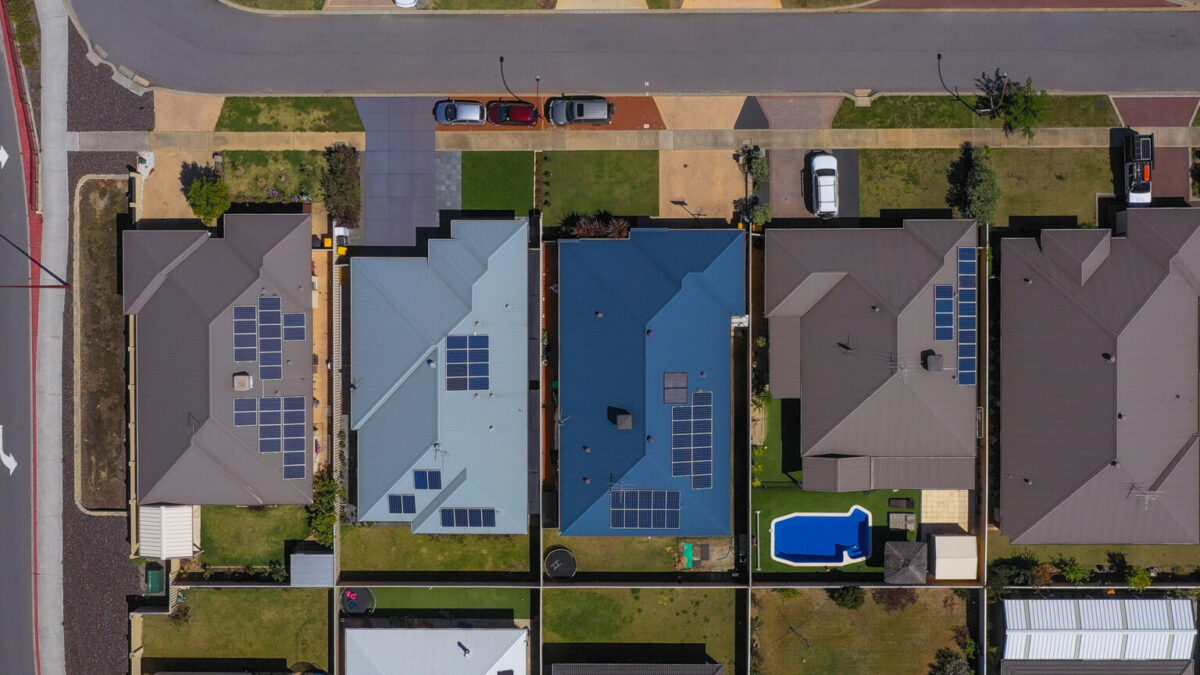





The latest monthly update from solar research firm SunWiz shows 281 MW of new small-scale rooftop solar (0 kW to 100 kW) capacity was registered across Australia in February 2026, up 57 MW on the 224 MW that was installed during the previous month.
SunWiz Managing Director Warwick Johnston said the monthly tally is the biggest February total yet while the year-to-date figure is 6% ahead of the volumes observed at the same time last year.
“PV volumes rebounded strongly in February, marking the largest February on record, slightly above February 2021,” Johnston said. “This continues the volatile start to 2026 after a strong finish to 2025, with demand remaining robust despite signs of market maturity and a broader industry shift toward batteries and larger systems.”
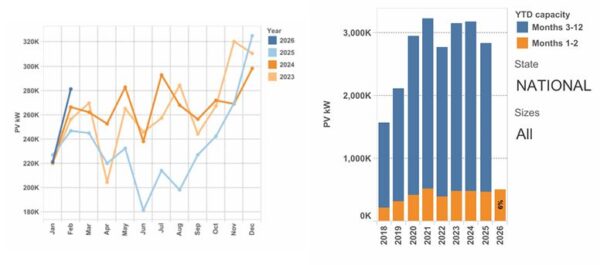
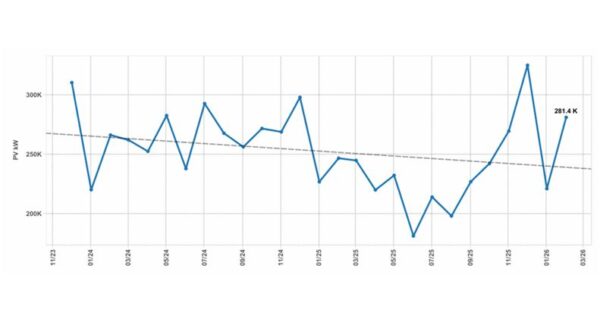
Johnston said the result marks the second month of the year that has delivered higher levels and volumes than in previous years, which could indicate a promising 2026.
“The long-term trend line could potentially turn upwards at some point later this year,” he said.
All states recorded substantial increases in PV volumes in February with the Northern Territory leading the pack with growth of 73%, while New South Wales, Queensland, and Tasmania all increased by more than 30%.
Despite the national increase in PV volumes, the average system size decreased for the second consecutive month, edging down to 10.3 kW per installation.
Most capacity segments recorded growth over the past month with the 50 kW to 75 kW segment rebounding strongly, increasing by 40% after the previous month’s decline.
Australia’s battery market also surged in February with incoming changes to the federal government’s Cheaper Home Batteries subsidy program driving demand.
“The pressure to complete installations before rebate changes on 1 May pushed registrations to a record month,” Johnston said.
A record 1.2 GWh of small-scale energy storage capacity was registered during the month, a 24% increase on January 2026.
All states recorded an increase in battery registrations, with Tasmania topping the chart with 58% growth
Installations were skewed towards larger batteries with the 40 kWh to 50 kWh segment the most popular, helping boost the average battery size to 10.34 kW.
“Since the introduction of STC for batteries, there hasn’t been a single month in which we haven’t seen an increase in the average size of batteries on the market,” Johnston said. “This slowed down slightly in February, but growth continues nonetheless.”
This content is protected by copyright and may not be reused. If you want to cooperate with us and would like to reuse some of our content, please contact: editors@pv-magazine.com.


By submitting this form you agree to pv magazine using your data for the purposes of publishing your comment.
Your personal data will only be disclosed or otherwise transmitted to third parties for the purposes of spam filtering or if this is necessary for technical maintenance of the website. Any other transfer to third parties will not take place unless this is justified on the basis of applicable data protection regulations or if pv magazine is legally obliged to do so.
You may revoke this consent at any time with effect for the future, in which case your personal data will be deleted immediately. Otherwise, your data will be deleted if pv magazine has processed your request or the purpose of data storage is fulfilled.
Further information on data privacy can be found in our Data Protection Policy.