




Heat pumps are rapidly becoming a standard solution for domestic hot water (DHW) production across Europe. Driven by decarbonization targets, electrification policies, and the rapid growth of rooftop photovoltaics (PV), many buildings are replacing conventional gas boilers with efficient electric systems.
The technology offers clear advantages. Heat pumps require far less electricity than direct electric heating, significantly reduce CO2 emissions, and integrate well with modern building control systems. When combined with PV systems, they can shift hot-water production to periods of solar surplus, increasing self-consumption and reducing grid demand.
However, the growing adoption of DHW heat pumps also brings an important engineering challenge: maintaining water hygiene while operating at lower temperatures.
The temperature dilemma
Heat pumps achieve their high efficiency by operating at relatively low temperatures. Domestic hot water tanks in heat-pump systems typically run between 45 C and 55 C on the source – a range that maximizes performance and minimizes electricity consumption.
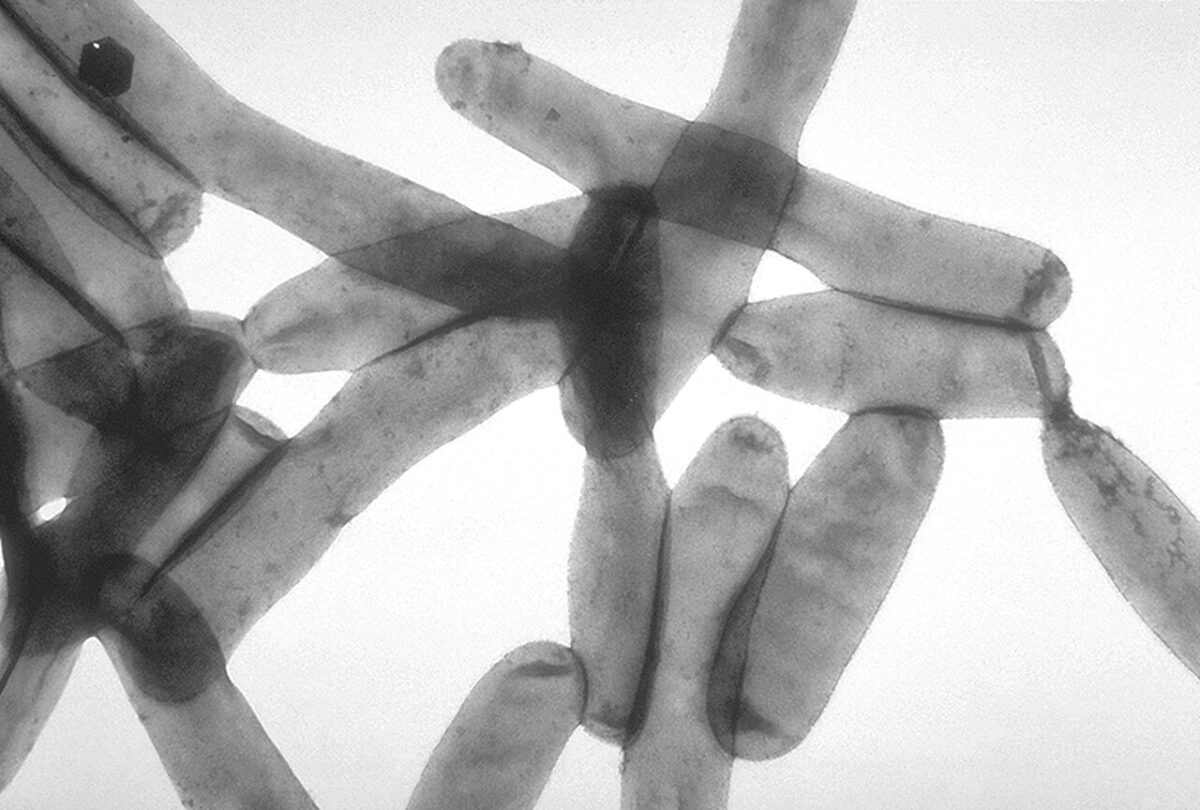
Unfortunately, this temperature band overlaps with the growth range of Legionella pneumophila, the bacterium responsible for Legionnaires’ disease. Legionella bacteria can thrive in water between roughly 25 C and 45 C and can survive up to around 50 C. Reliable inactivation typically requires temperatures above 60-65 C maintained for a sufficient time.

Image: College of Industrial Engineering
Under certain conditions, domestic hot water systems can unintentionally create an environment where the bacteria may multiply. Large storage volumes, long water residence times, or temperature stratification in tanks can contribute to this risk. Oversized circulation loops, poor pipe insulation, or stagnation zones in piping networks can further increase the likelihood of bacterial growth.
The integration of PV systems can introduce another variable. When heat pumps are operated primarily during midday solar production, heating cycles may become less frequent, potentially extending periods of water stagnation if the system is not properly designed.
Importantly, these risks are not inherent to heat pump technology itself. They are primarily linked to system design and operational strategies.
Several system characteristics can increase risk:
- Large storage volumes with long residence times
- Thermal stratification, leaving cooler layers at the bottom of tanks
- Oversized or poorly insulated circulation loops
- PV‑driven intermittent heating, which may extend stagnation periods
- Infrequent or incomplete thermal disinfection cycles
- Dead legs in piping, especially in renovations
- Presence of biofilm and limescale buildup
These factors are not inherent flaws of heat pumps – they are design and control challenges that can be addressed with proper engineering. As heat pumps become more common in multi‑family buildings, hotels, and retrofits, these risks become more relevant.
Designing hygienic hot water systems
Proper engineering can significantly reduce Legionella risks in heat pump-based DHW systems. A well-designed installation ensures stable temperatures, sufficient water circulation, and the ability to perform effective thermal disinfection.
Hydraulic design plays a central role. Stagnation zones in piping should be avoided wherever possible, and so-called “dead legs” – sections of pipe where water remains unused – must be minimized. Adequate flow rates in circulation loops help maintain consistent temperatures throughout the system.
Material selection also matters. Components used in drinking water systems must comply with relevant standards and should not promote microbial growth. Copper, stainless steel, and approved plastic materials are commonly used in modern installations.
Equally important is proper pipe insulation. Heat losses in poorly insulated distribution networks can quickly lower water temperatures into the bacterial growth range.
Finally, circulation pumps must be correctly sized, and regular maintenance should be carried out to ensure long-term system performance.
Thermal disinfection remains essential
The most reliable method for controlling Legionella in domestic hot water systems remains thermal disinfection. This process involves periodically raising water temperatures to levels that are lethal to the bacteria.
Most modern heat pumps include dedicated anti-Legionella or pasteurization modes that temporarily increase tank temperatures to around 60–65 C. During these cycles, it is important that the entire storage volume reaches the required temperature and that circulation loops are also heated sufficiently. Although thermal disinfection requires additional energy, it represents a practical compromise between efficiency and safety.
Digital monitoring and control systems are making this process easier to manage. Modern controllers can track temperatures, log disinfection cycles, and automatically trigger heating events when required.
Smart control meets solar generation
The combination of heat pumps and PV systems is becoming increasingly common in residential and commercial buildings. By operating heat pumps when solar electricity is available, buildings can significantly increase self-consumption.
Smart controllers can also use PV forecasts or electricity price signals to schedule thermal disinfection cycles during periods of solar surplus or low tariffs. This approach allows hygiene requirements to be met without increasing overall energy costs.
At the same time, digital monitoring platforms can track key parameters such as loop temperatures, flow conditions, and the frequency of disinfection cycles. This enables predictive maintenance and early detection of potential hygiene risks.
European hygiene requirements
Domestic hot water hygiene is regulated in Europe through several directives and technical standards. The European Drinking Water Directive (EU) 2020/2184 sets quality requirements for water intended for human consumption and highlights the importance of preventing microbiological contamination in building distribution systems.
International guidelines and technical standards generally recommend maintaining storage temperatures of at least 60 C and distribution temperatures above 50 C, combined with regular monitoring and disinfection procedures.
Professional organizations such as REHVA emphasize that energy-efficient systems – including heat pump installations – must combine efficiency measures with hygienic hydraulic design and reliable temperature control.
Efficiency and safety can coexist
Heat pumps are playing a key role in the decarbonization of buildings and the integration of renewable electricity. Their ability to work efficiently with photovoltaic systems makes them particularly attractive for modern energy systems.
But energy efficiency should never come at the expense of water hygiene.
With proper hydraulic design, elimination of stagnation zones, adequate temperature management, and regular thermal disinfection, the risks associated with Legionella can be effectively minimized. Smart digital controls and PV integration further enable systems to maintain both high efficiency and safe operating conditions.
As heat pumps become the new standard for domestic hot water production, balancing energy performance with hygiene will remain a central task for engineers, installers, and building operators.
Conclusion
Heat pumps are becoming a central technology for domestic hot water production in modern buildings, particularly when combined with photovoltaic systems. Their efficiency and flexibility make them an important part of the transition to low-carbon energy systems.
At the same time, maintaining proper water hygiene remains essential. Legionella risks are primarily related to system design, temperature management, and operational practices rather than to the heat pump technology itself.
With careful hydraulic design, elimination of stagnation zones, adequate circulation, and regular thermal disinfection, these risks can be effectively controlled. When supported by smart control systems and digital monitoring, heat pump DHW systems can deliver both high energy efficiency and safe, hygienic operation.
Author: Peter Meža
Peter Meža is associated with Slovenia's College of Industrial Engineering, contributing to academic and technical work in engineering education. His work focuses on industrial engineering topics, supporting the development of practical skills and research in modern engineering fields.
The views and opinions expressed in this article are the author’s own, and do not necessarily reflect those held by pv magazine.
This content is protected by copyright and may not be reused. If you want to cooperate with us and would like to reuse some of our content, please contact: editors@pv-magazine.com.


By submitting this form you agree to pv magazine using your data for the purposes of publishing your comment.
Your personal data will only be disclosed or otherwise transmitted to third parties for the purposes of spam filtering or if this is necessary for technical maintenance of the website. Any other transfer to third parties will not take place unless this is justified on the basis of applicable data protection regulations or if pv magazine is legally obliged to do so.
You may revoke this consent at any time with effect for the future, in which case your personal data will be deleted immediately. Otherwise, your data will be deleted if pv magazine has processed your request or the purpose of data storage is fulfilled.
Further information on data privacy can be found in our Data Protection Policy.