Emiliano Bellini
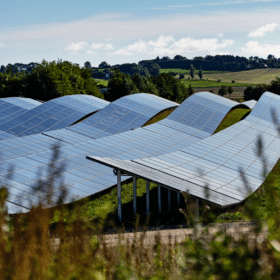
Seven-year PPA for 34 MW solar park in Denmark
Denmark’s Better Energy is building the PV facility in Denmark’s southernmost region. Danish pharmaceutical company Lundbeck has agreed to buy the power generated by the plant over a seven-year period.
Hybrid electrodes for cheaper redox flow batteries
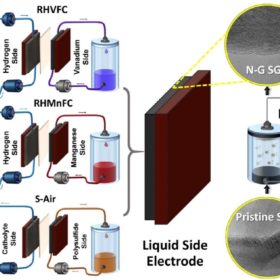
UK researchers have used standard carbon paper electrodes modified with electrophoretically deposited nitrogen-doped graphene (N-G) to improve the electrochemical performance of hybrid redox flow cells utilized in redox flow batteries. According to their findings, these electrodes are capable of meeting the harsh electrochemical requirements for these HRFCs and offer enhanced performance and operability.
Flexible heat pumps ideal for power grids congested by solar and wind
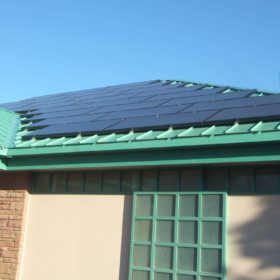
Dutch transmission system operator Tennet, which also serves Germany, is planning to create flexible electricity demand and reduce grid congestion by promoting the use of smarter heating systems and heat pumps that can also be powered by solar and wind energy. According to its experts, intelligent control of heat pumps may result in the creation of between 0.5 and 1 GW of temporary grid flexibility by 2030.
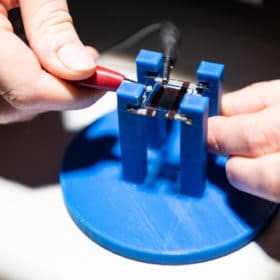
Inverted perovskite solar cell with transition metal carbides achieves 19.2% efficiency
A Russian-Italian research group has developed a two-dimensional transition metal carbide, known as MXenes, to collect photocurrent in perovskite cells. The cells were built with an inverted configuration and are based on a nickel(II) oxide hole transporting layer. The scientists claim that the doping technique allowed them to increase the efficiency of the cell by more than 2%.
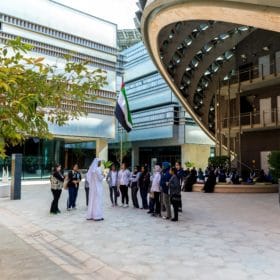
Solar-powered hydrogen for Masdar City
Masdar is launching a pilot green hydrogen project in the United Arab Emirates. In a recent conversation with pv magazine, two company officials described the project and explained how the hydrogen will be used for road transport, aviation and shipping in Masdar City.
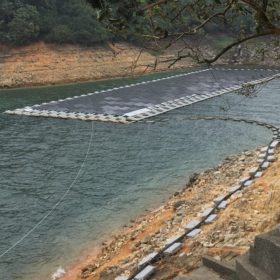
Large scale floating PV to sell power at $0.0368/kWh in Indonesia
A new report from the Institute for Essential Services Reform (IESR) shows that PV has not been growing significantly in Indonesia in recent years, despite the size of its energy market and economy. According to its authors, however, there are multiple paths that can be followed to bring volumes into all market segments. Large scale solar is expected to play a major role in the years to come, as the LCOE for big floating projects is approaching levels close to those of more mature markets.
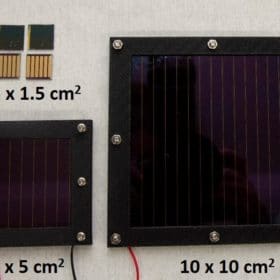
Mini perovskite solar module with 14.55% efficiency
The 5x5cm device was developed by a Japanese research group. The thickness of the perovskite films was increased to reduce defects and pinholes and this was achieved by adding ammonium chloride to the lead iodine solution used in the formation of the films. The device was able to work for 1,600 hours at more than 80% of this efficiency.
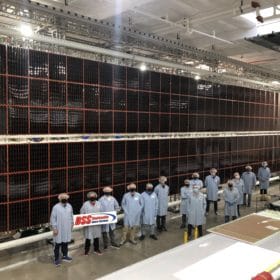
Boeing brings more PV power to NASA International Space Station
Six new arrays with a combined capacity of 120 kW will be installed on the International Space Station starting from this year. The panels will be brought to the station with the SpaceX Dragon cargo spacecraft during three resupply missions. The installation of each solar array will require two spacewalks.
Italy allocates only 20 MW of PV in fourth renewables auction
The Italian authorities have awarded three solar projects in yet another under-subscribed renewables tender. The lowest bid in the procurement exercise came in at €0.06819/kWh and was submitted for a 10 MW solar project. All bids were slightly below the ceiling price of €0.07/kWh. Wind secured most of the assigned capacity.
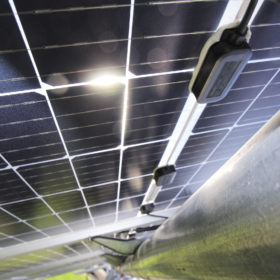
Satellite-derived datasets to measure ground albedo for bifacial PV
A researcher from the NREL has set up a series of datasets of measured ground albedo values using measurement network data in the U.S. and data contributed by the PV industry. The measured albedo datasets are intended to help developers of ground-mounted PV projects in making a choice between monofacial and bifacial panels.
