Emiliano Bellini

Improving PV-based hydrogen generation with loss‐mitigation techniques
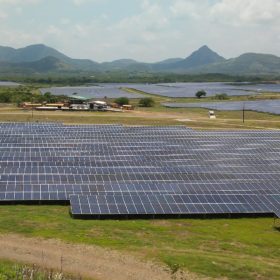
Australian scientists have demonstrated two loss-mitigation techniques that could improve solar‐to‐hydrogen (STH) conversion efficiencies and may lay the ground for cheaper PV-powered hydrogen generation. By combining the two techniques, they were able to achieve an STH efficiency of around 19.4% at realistic operating temperatures.

Another 300 MW of solar power for Egypt’s Aswan region
UAE-based AlNowais Investments Company has been allowed to increase the size of its solar project in Kom Ombo from 200 to 500 MW. The facility will sell power to the Egyptian Electricity Transmission Company (EETC) under a long-term, bilateral PPA.

Tanzania buys solar power from small independent power producers
Three solar plants totaling 15.4 MW will sell power to Tanesco under a PPA. The projects are being developed under new rules enabling independent power producers to participate in the country’s energy market.

New study debunks several myths about floating PV
Dutch researchers have shown that bifacial floating PV arrays do not benefit significantly from sunlight reflected from the water, and claim that the water only reduces panel temperatures by a small amount. Bird droppings may also affect system performance, but floating PV could achieve a lower LCoE than ground-mounted arrays if such issues are addressed, they say.
Poland allocates 800 MW of solar in mixed PV-wind auction
Overall, the Polish energy regulator has allocated 1.7 GW of renewable energy capacity in a procurement exercise that was open to projects exceeding 1 MW in size. The auction concluded with a lowest price of $0.051/kWh, slightly up from the auction of the same kind held last year.

Jamaica turns to solar for irrigation, water treatment
The Jamaican government has tendered a solar project intended at powering a water treatment plant and has also announced it will power, with PV, all irrigation systems operated by the National Irrigation Commission.

Greece supports rooftop PV and residential storage through energy efficiency program
Launched in November, the “saving-autonomous” program is currently seeing strong interest from homeowners. The program has an €850 million budget and is intended at enabling around 600,000 homeowners to make their houses more energy-efficient by 2030. It includes the installation of a rooftop PV system in the frame of a renovation project.
Colored facade solar panels with 13.8% efficiency
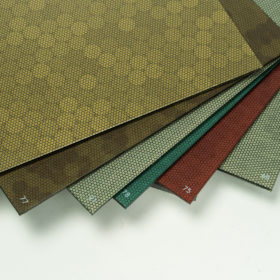
Dutch startup Solarix has developed a new line of facade solar panels featuring 13.8% efficiency and output ranging from 110 to 180 W, depending on the module size and color. The panels can be bolted or glued onto aluminum mounting systems applied to facades.
Solar module passive cooling with lapping fins
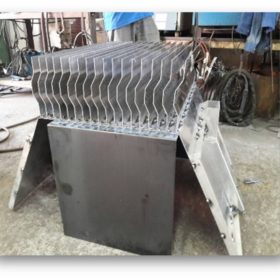
Malaysian researchers have proposed a new passive technology for solar module cooling based on fin heat sinks. The tech ensures lower PV system payback times and reduces operating module temperatures by up to 26 C.

Italian grid operator awards 250 MW of storage in pilot auction
Terna’s first auction for reserve storage capacity was largely oversubscribed, with over 1,327 MW of submitted projects. Overall, 23 projects were assigned to 17 operators.
