Emiliano Bellini
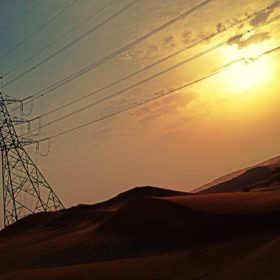
Saudi Arabia to tender 2.22 GW of solar in 2019 and wants 40 GW in 2030
The Renewable Energy Project Development Office of Saudi Arabia is planning to tender 11 PV power projects with a combined capacity of 2,225 MW this year. The country’s solar target for 2023 has been revised up from 5.9 GW to 20 GW, and that for 2030 set at 40 GW.
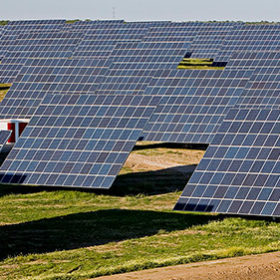
Acciona closes its module factory in Portugal
The Spanish developer maintained manufacturing activities at the plant for 10 years with an average of more than 100 employees. The company previously managing the factory –Chinese manufacturer Jinko – had abandoned the project in September, after minimum import prices for Chinese PV products in the EU were cancelled.
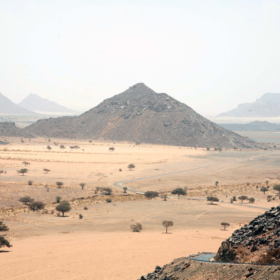
Algeria launches tender for 50 MW of hybrid solar
At the end of December, the Algerian government issued a tender for off-grid gas/diesel and solar projects in non-interconnected areas in the south of the country.

Blockchain system prepares morning croissants under a six-building self-consumption project in France
In Prémian, southern France, a blockchain project developed by Sunchain is providing six consumers with solar power and certifying transactions – which also involve local distribution system operator Enedis.
Innogy’s Dutch unit moves to buy two solar installers
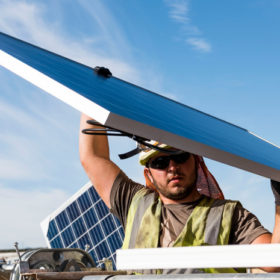
Dutch energy provider Essent has agreed to take over EnergieWonen Groep and ZON7, two Netherlands-based companies specializing in the supply and installation of rooftop PV, thus enhancing Essent’s sustainable development network.

Distributed solar tops 500 MW in Brazil
According to figures from solar association ABSolar, most of the installed capacity – 371.9 MW – was installed in 2018. Commercial PV dominates with 43.2% as cheaper modules and higher electricity tariffs, combined with an extensive net metering regime, continue to fuel installation rates.

World Bank injects $100 million to support solar in Pakistan
The funds will be used to implement the Sindh Solar Energy Project, a scheme aimed at increasing solar power generation and access to electricity in Sindh province.
Iron therapy for solar cells
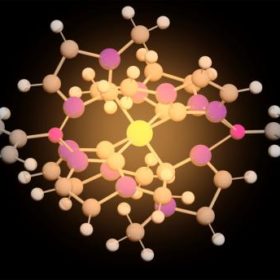
A research team from Sweden has developed a new iron-based molecule, which it says has the potential for further cost reductions in solar cells, and can also function as a photocatalyst to produce fuel.
Netherlands a gigawatt solar market
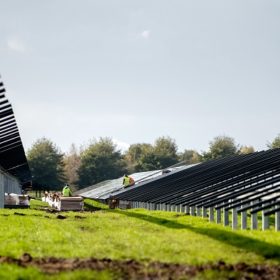
The Dutch PV sector is expected to have grown by 1.3-1.5 GW in 2018. The growth, which marks the Netherlands’ entry into Europe’s gigawatt club, was mainly due to the connection of large-scale projects under the SDE+ program. The nation’s cumulative installed PV capacity should have surpassed 4 GW as the Dutch government prepares to reduce the SDE+ budget.

Iraq takes first concrete steps into solar
The United Nations Development Program wants consultants for Iraq’s PV policy, aimed at helping the Ministry of Electricity in the construction of utility-scale solar plants, as well as in the deployment of 5 MW of residential PV. Frost and Sullivan forecasts around 5 GW of solar capacity may be installed by 2028.
