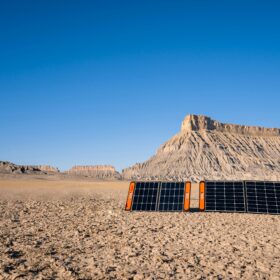
Reducing PV module temperature with air convection
Scientists have analyzed how forced convection PV, free convection with finned plate PV, and forced convection with finned plate PV can reduce solar module temperatures under the climate conditions of Lebanon.
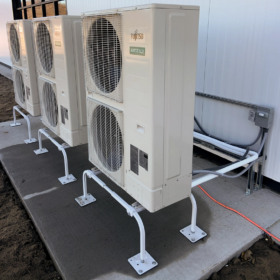
How to optimize heat exchangers in heat pumps
Scientists have developed a new model for heat exchangers of heat pumps, combining strengths of numerical modeling and machine learning.

Supercharging pumped-hydro stations with floating PV
Scientists have simulated the addition of floating solar panels to Switzerland’s Etzelwerk, an open-loop pumped-storage hydropower plant. Using 10% of the upper reservoir for the solar panels, the research team was able to add about 20% of the energy output.
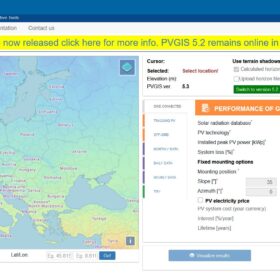
EU updates Photovoltaic Geographical Information System
The EU Joint Research Centre (JRC) has updated the core technologoy of the Photovoltaic Geographical Information System with the aim of reflecting the dominance of crystalline silicon solar technologies over thin-film counterparts in the global energy market.

UK startup unveils industrial batteries based on repurposed EV battery packs
Allye Energy has launched two new battery storage systems that can provide 820 kW and 1.25 MW of power, respectively. The systems combine up to 18 repurposed EV battery packs with mixed chemistries.
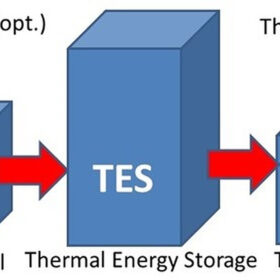
Optimizing Carnot batteries for renewables storage
Based on the the heat pump-organic rankine cycle, scientists in Portugal have created six different models of Carnot batteries for stationary storage. They investigated 16 different combinations of working fluids and created a multi-objective optimization for the best candidate.

Solar key to enable clean cooking in refugee camps
Scientists in Spain studied electricity demand data for the Kobe refugee camp in Ethiopia to optimize several minigrid scenarios, also integrating the use of electric pressure cookers. Their analysis showed that introduction of the cooker required an increase in PV capacity of up 68%.
New method to verify warranty conditions of PV modules
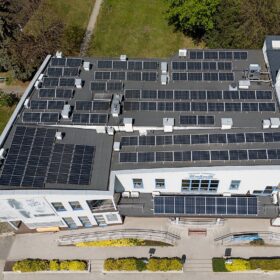
Scientists have developed a way to compare the data given by PV manufacturers based on standard test conditions (STC) to the real conditions in the field. The proposed technique is based on the single-diode model and the Newton-Raphson algorithm. The maximum relative error was found to be at 1.37%.
Cooling bifacial PV modules with mist
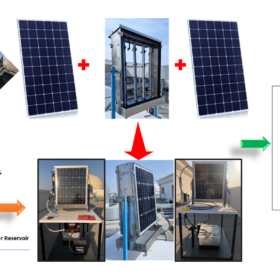
Scientists have placed mist nozzles inside a bifacial PV module and measured it under an extremely hot climate. The module was found to generate up to 37% more electricity on sunny days and up to 46% more on cloudy days compared to standard monofacial panels.
SolarEast debuts new residential propane heat pumps
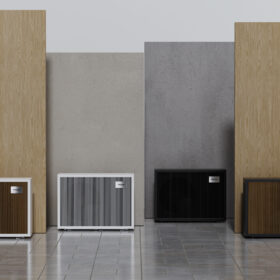
The Chinese manufacturer said its new heat pump systems have a heating capacity of 4 kW to 16 kW and a coefficient of performance of up to 5.05.
