Mark Hutchins

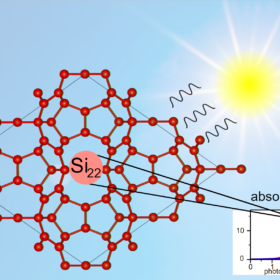
A whole new structure for silicon
Scientists in the United States theorized that a new allotrope of silicon – the same element arranged into a different atomic structure – could show greatly improved photovoltaic performance compared to that used in today’s solar cells. The allotrope, Si22, could also have important properties for use in quantum computing, carbon sequestration and other applications – though fabrication and actual physical testing of the material will be needed to back up the theoretical findings presented so far.
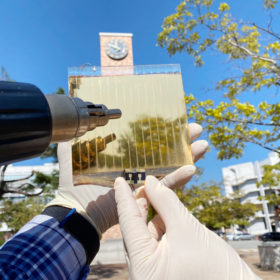
Ambient processed inorganic perovskite solar cells at 19.75% efficiency
Scientists in South Korea demonstrated a fabrication technique for perovskite solar cells relying entirely on room temperature, ambient conditions processes. Using an all-inorganic perovskite material, and a spray coated electron transport layer, cells fabricated by the group achieved a maximum efficiency of 19.75%.

DNV puts different module formats to the test
Energy consultancy DNV was tasked by module manufacturing giant Longi Solar with comparing the balance of systems costs between modules utilizing 182mm and 210mm wafers, based on a 3.7 MW project in three different layouts. The results reveal a slim cost advantage for the smaller of the two, based on both fixed tilt and tracker systems.

Big modules head for standardization
PV manufacturing giant Trina Solar says it has agreed with other industry players on a set of standard dimensions and other technical specifications for PV modules utilizing 210mm wafers – the largest currently available on the market. The manufacturer says it expects the China Photovoltaic Industry Association to formally release the standard before the end of October.
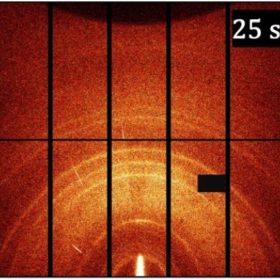
Laser focus on perovskite film formation
Scientists in the United States developed a method to observe the structure and mechanics of a perovskite material during its synthesis and transition from liquid precursors to a solid thin film. The group says its work will provide new insight into manufacturing and the development of reliable large-scale processes for perovskite solar cell production.

Umicore to purchase 42,000 tons of lithium battery material
Belgian materials company Umicore has signed a contract with Australia headquartered Vulcan Energy Resources to purchase up to 42,000 tons of lithium hydroxide over a five year period beginning in 2025. The material will be used in Umicore’s production of cathode materials for lithium-ion cell manufacturers.

A lightweight plastic to replace aluminum module frames
South Korean company LG Chem has developed a new plastic material that it says could replace the metal frame of a PV module, making it much lighter. The company says it has already secured mass production capability for the material and begun selling products at full scale.

Lightsource BP invests in 757 MW project pipeline in Poland
UK based developer Lightsource BP today announced plans to enter the Polish market and develop nine projects amounting to 757 MW, working alongside an unnamed local partner. Lightsource BP says around half of the projects could begin construction next year, and that bringing all of the pipeline to completion would require total investment of €500 million.
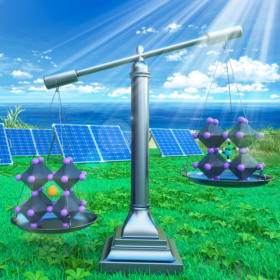
Strong potential for inorganic perovskites
Scientists in the United States have developed a method to compare the performance and number of defects in different perovskite cell materials. Based on simulations and work with prototype materials, the group finds that all-inorganic materials have higher potential efficiency than their more widely researched organic-inorganic counterparts.
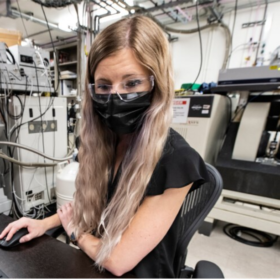
On the trail of a cause for solar cell LID
Scientists in the United States used sophisticated imaging to delve deep into the structure of a silicon solar cell, revealing for the first time a distinct defect signature for light-induced degradation. Their technique could be used to better understand the mechanisms behind multiple various defects affecting the performance of silicon and other solar cell technologies.
