Patrick Jowett

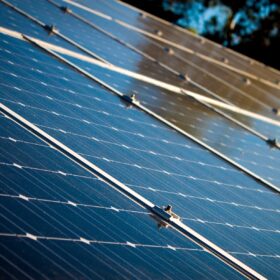
KGAL impact fund acquires first solar project in Czechia
KGAL’s latest green energy fund is acquiring its first solar asset in Czechia. The investment and asset manager says the 50 MW plant is due to connect to the grid in 2025.
Chinese scientists achieve record-breaking 20% efficiency in single-junction organic solar cell
Researchers from the Wuhan University of Technology in China have designed and synthesized a new non-fullerene acceptor for organic solar cells. One of their fabricated devices achieved the highest certified efficiency ever reported for single-junction organic solar cells.

PV systems can now support grid as fossil fuels decline, says IEA-PVPS
A new report by the International Energy Agency’s Photovoltaics Power Systems Programme (IEA-PVPS) says that existing PV systems have the technical capabilities to provide various frequency-related grid services.
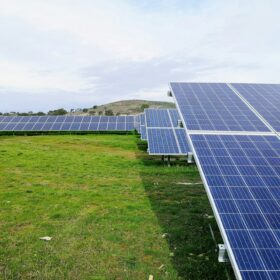
Alight, Svea Solar sign agreements with Sveaskog for 2 GW of solar in Sweden
Sveaskog, Sweden’s largest landowner, is teaming up with solar companies Alight and Svea Solar to develop 2 GW of new solar capacity. The first two projects under the agreement are already underway.

Moldova kicks off first renewables auction
Moldova aims to procure 60 MW of solar in its first renewables auction. Successful investors will secure fixed price guarantees for power generated over periods of 15 years. The deadline for applications is March 31, 2025.

Gibraltar launches solar tender for airport
The government of Gibraltar has started accepting bids to design, install, operate, and maintain a solar panel array at Gibraltar International Airport. The deadline for applications is Sept. 20.
Ternary organic solar cell based on dimerized small molecule achieves 18.12% efficiency
A team from the Southern University of Science and Technology in China has designed a small molecule donor to act as a third component in ternary organic cells. It helped to achieve a power conversion efficiency of 18.26% when fabricated with a PM6:BTP-eC9 organic solar cell.
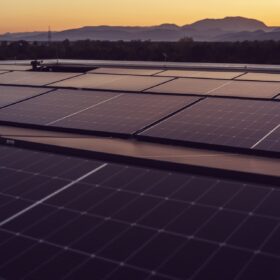
Indonesia relaxes local content requirement for solar projects
The government of Indonesia has eased import rules for solar power plants in a bid to bolster the development of renewables projects.

Philippines fast-tracks world’s largest solar park with green lane certificate
The Board of Investments of the Philippines has granted a green lane certificate to a solar project that is being touted as the largest in the world to date. The accreditation will facilitate easier approval and processing of permits.
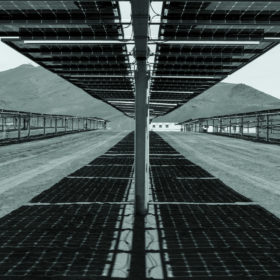
Bifacial tracking systems dominate utility-scale PV market
The latest report from the International Energy Agency’s Photovoltaic Power Systems Programme (IEA-PVPS) covers best practices for the optimization of bifacial PV tracking systems and discusses key areas for improvement.
