Pilar Sánchez Molina
Madrid taxis to be powered by solar hydrogen
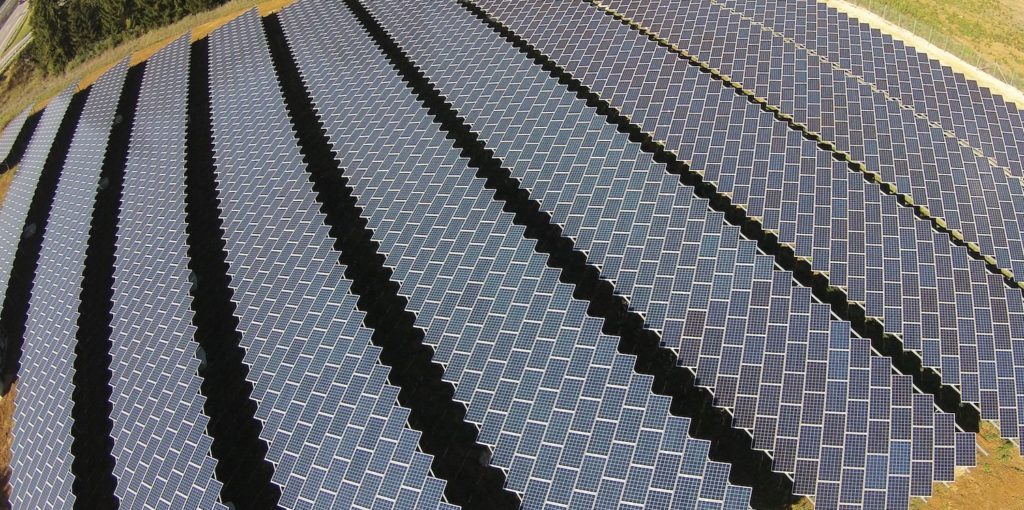
Spanish developer FRV has agreed to participate in a €100 million effort to generate hydrogen via a 10 MW electrolyzer, powered by a 20 MW solar plant.
‘More room” remaining for small, medium PV projects in Spain
pv magazine recently spoke to Asier Ukar, managing director & senior consultant at PI Berlin in Spain, about the Spanish solar market, PV module prices, the most common failures in installations, and PV manufacturing in Europe.
Latin America’s first liquid air storage project
The 50 MW Highview Enlasa project will be located in Diego de Almagro, in Chile’s Atacama Region.
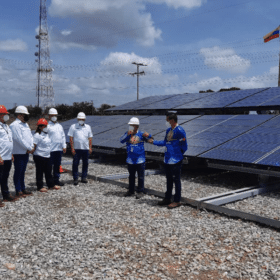
Venezuela sees first grid-connected PV system come online
The system will power the broadband transport networks. The solar panels are “made with 100% Venezuelan engineering.”

Brazil passes 9 GW of PV capacity
Brazil has installed 1 GW of new PV capacity in the past month alone. The distributed-generation solar segment and bilateral PPAs for large-scale PV plants are driving the market.
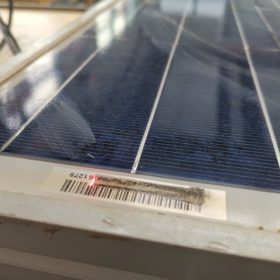
New factory in Spain to produce and repair solar modules
The 50 MW facility is located in the region of Navarra and is operated by German specialist Rinovasol. The company buys, fixes and certifies the panels and puts them back on the market, with a new datasheet and a five-year warranty.

Adhesive mounting system for any kind of solar modules
The system, developed by Spanish specialist Alusín Solar, is being tested by Endesa in a 9.8 MW project for self-consumption. The mounting structure is made with aluminum bars that, instead of being fixed to the roof with screws, are attached through a double-sided adhesive.
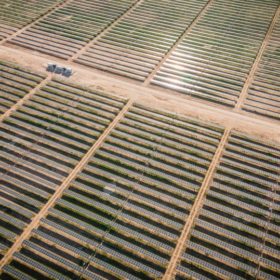
Lightsource BP builds 1.35 GW of PV in Portugal, 640 MW in Greece
The U.K.-based solar developer has joined forces with Portugal’s Insun to build solar parks totaling 1.35 GW over the next five years. In Greece, it wants to build another 640 MW in partnership with Kiefer TEK.
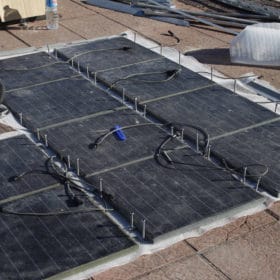
Solar pavement with conventional modules for the Port of Valencia
Spanish start-up Solum has installed the first solar pavement in a port area in Valencia as part of the strategy set by Puertos del Estado for the complete decarbonization of port areas by 2030.

Spain plans auction to grant grid access capacity to 1.3 GW of renewables
The auction is intended at providing the missing capacity resulting from the closure of the Andorra thermal power plant in Teruel.
