Ryan Kennedy

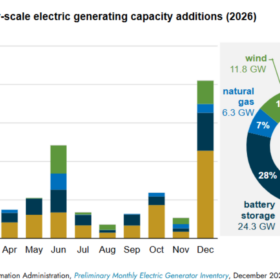
Solar, storage to lead record 86 GW of US capacity in 2026
Solar and battery storage are set to account for 79% of 86 GW of new utility-scale capacity planned in the United States in 2026, marking the largest annual increase in more than two decades, according to US federal data.
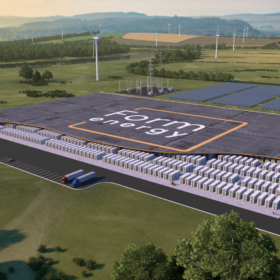
Google to deploy world’s largest iron-air battery for US data center
Google plans to deploy a 300 MW/30 GWh iron-air battery system in Minnesota under an agreement with Xcel Energy, pairing it with 1.6 GW of new wind and solar.

PowerBank posts $22.3 million in H2 2025 revenue amid space solar AI push
PowerBank Corp., a North American developer and operator of solar and battery energy storage projects, reported $22.3 million in revenue for the second half of 2025 and secured new credit facilities to expand its project pipeline.

US repeals greenhouse gas endangerment ruling
The US Environmental Protection Agency (EPA) has repealed the 2009 Endangerment Finding that classified greenhouse gases as a threat to public health, removing the legal basis used to regulate carbon emissions under the Clean Air Act.

High-voltage DC design targets AI data center costs
A white paper from Enteligent says an 800V direct current architecture linking solar and storage directly to data centers can cut capital costs, reduce copper use and improve efficiency compared with conventional alternating current systems.
US government withdraws defense of solar tariff pause
The US Department of Justice (DoJ) has withdrawn from defending the executive order that paused certain tariffs on imported solar components, leaving private industry groups and companies to continue the appeal. The withdrawal increases legal uncertainty over potential retroactive duties tied to imports from Cambodia, Malaysia, Thailand, and Vietnam.

RE+ Northeast 2026: Evolving solar and storage integration
Industry leaders convened in Boston to tackle grid modernization and accelerate the region’s renewable energy goals.
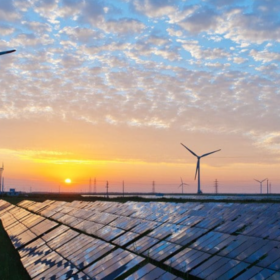
US solar capacity overtakes wind
Solar has become the largest renewable source of installed power capacity in the United States, surpassing wind after 27 consecutive months as the leading source of new grid additions, according to the Federal Energy Regulatory Commission (FERC).

U.S.-India trade deal reduces solar tariffs
Tariff reductions under the new U.S.-India trade agreement lower import costs for solar modules and energy storage components. Reciprocal tariffs were effectively reduced from 50% to 18%.

Enphase Energy cuts about 6% of workforce
Enphase Energy said it is cutting around 6% of its global workforce, affecting about 160 employees, as the company prepares for lower near-term demand following the expiration of the United States federal residential solar tax credit and moves to reduce costs through restructuring and automation.
