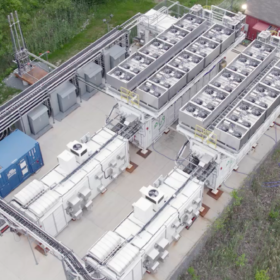
The Hydrogen Stream: Fuel cells for backup power
The PEM fuel cell test in New York demonstrated the viability of this technology at 3 MW, the first time at the scale of a backup generator at a data center. Meanwhile, a Spanish-Indian venture will develop up to 300 MW of installed green hydrogen production capacity in the Iberian Peninsula, and a Norwegian-German partnership aims to have a demo track powered by a fuel cell system on the road in mid-2023.
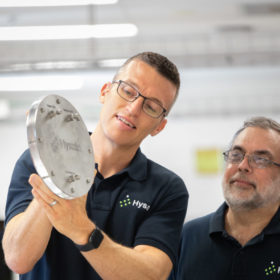
Hysata brings capillary-fed eletrolyzer tech closer to commercial production
Australian startup Hysata is seeking to commercialize a breakthrough made at the University of Wollongong which CEO Paul Barrett describes as a “brand new category of electrolyzer” with 95% system efficiency.

Toshiba energizes PV-powered hydrogen refueling station in Japan
The system is reportedly able to refill about eight hydrogen fuel cell vehicles, each in three minutes. It is also able to supply electric power by using hydrogen produced with renewable energy within the station.

The Hydrogen Stream: $8 billion green hydrogen facility near the Suez Canal
Egypt is taking several steps to support renewable and hydrogen projects, aiming to produce 42% of its electricity from renewable sources by 2030. Meanwhile, a team of researchers led by UCLA developed a method for predicting platinum alloys’ potency and stability; Iberdrola and bp are working on strategic collaboration, including large-scale green hydrogen production hubs in Spain, Portugal and the UK.
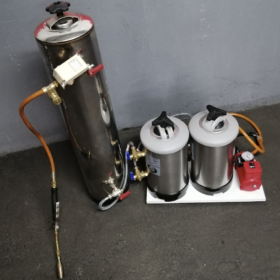
UPDATED – New tech to produce hydrogen from tap water
A Spanish scientist has developed a system that reportedly produces hydrogen on-site without expensive electrolysis. The prototype utilizes a water tank that is initially filled with water, ferrosilicon, and sodium hydroxide.
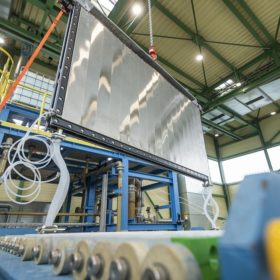
The Hydrogen Stream: Construction begins on world’s largest integrated green hydrogen, ammonia plant
In other news, German energy company Uniper said it will test a new salt cavern built for hydrogen storage, while Serbia and Hungary signed a memorandum of understanding to collaborate on renewable hydrogen.

Solar auctions to replace feed-in tariffs in Kenya
Attendees at the Renpower Kenya clean energy event in Nairobi were told there will be a changeover in incentive schemes in 2022 with mature technologies no longer benefiting from fixed payments.
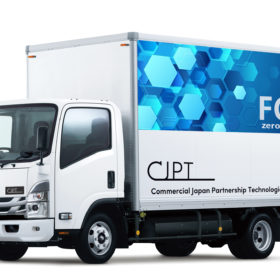
The Hydrogen Stream: Gas prices are higher than levelized cost of hydrogen for several technologies in Europe
In other news, Toyota unveiled plans to roll out light-duty hydrogen fuel-cell trucks for the Japanese market next year and the UK has launched a contract for difference scheme for large scale hydrogen projects. Furthermore, Japanese scientists have designed a ruthenium complex with a nitrogen-containing organic compound to improve high-temperature proton conduction in fuel cells.

PEM fuel cell with novel biomimetic design
Spanish scientists developed a proton exchange membrane fuel cell with a bipolar plate based on a nature-inspired structure. This architecture, according to its creators, shows remarkable performance when operating at high relative humidity values of 90%.
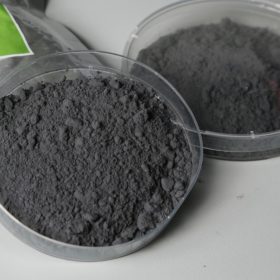
The Hydrogen Stream: Porous silicon material for hydrogen production, storage
EPRO Advance Technology has developed new silicon materials for hydrogen production, while Helmholtz-Zentrum Hereon researchers have shown that hydrogen storage materials can be produced from recycled industrial waste.
