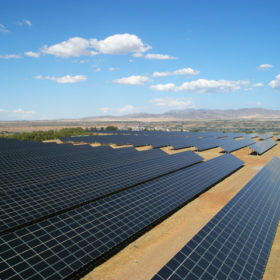
Australian states harden stance on unambitious national policy as energy bodies take opposing sides
As the debate heats up before Friday’s meeting between federal, state, territory and local government energy ministers in Australia, the Victoria authority has issued a last-minute call to redraft the proposed National Energy Guarantee, and the Australian Capital Territory has redefined its NEG approval condition with regard to the emissions target. Meanwhile, Australia’s energy bodies have taken separate paths.
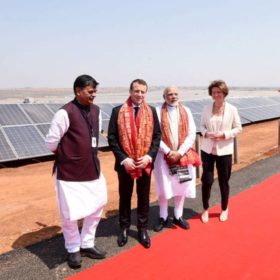
India well on track for 100 GW target, claims minister
The Minister for New and Renewable Energy has waved aside complaints about safeguarding duties by telling India’s upper house the nation’s ambitious four-year solar target is ‘comfortably’ within reach.

Solar projects under net metering keep growing in Ukraine
Cumulative PV capacity installed under the scheme reached 90 MW at the end of June. Of this capacity, around 27 MW were deployed in the second quarter alone.
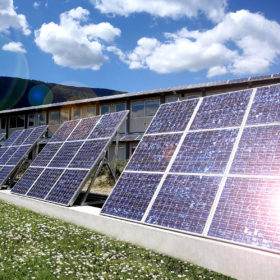
Fitch revises up outlook for French solar market
The U.S. firm expects France will reach a cumulative capacity of 28 GW by 2027, 3 GW more than previously forecast. The reasons for the increase are the renewed efforts of the French government to push for more solar, and the solar plans of big energy players such as EDF and Total.

Facebook likes clean energy as corporate purchasing sets record
The social media titan is the world’s biggest corporate buyer of renewable energy so far this year. BNEF figures show the company has already secured 1.1 GW of green power this year, helping the corporate world break last year’s landmark.

Solar distributed generation sees strong growth in Brazil
According to a new report published by consultancy Greener, the price of DG systems keeps falling in Brazil and total installed capacity has surpassed 308 MW. In the first half of the year, newly installed capacity was around 126 MW – more than the country installed in all of last year.

SolarEdge reports record revenues in second-quarter results
The company has experienced continued growth and after the acquisition of a UPS supplier – as well the potential for Chinese power electronics manufacturers to suffer under proposed new inverter tariffs – SolarEdge feels confident of continued growth.
Even with duties, Chinese PV modules will be competitive in India
Despite safeguard tariffs against certain imports of solar PV products into India, Chinese manufactured modules will remain competitive, says TrendForce. It further anticipates PV demand falling 30% in fiscal year 2018 in India, while cost pressures will mount for EPCs and project developers.
EDP adopts blockchain to measure consumption of prosumers in Brazil
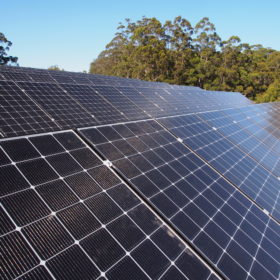
The blockchain technology, which was developed by Austrian company, Riddle&Code, is intended to help the Portuguese power provider measure the electricity consumption of each user who owns and operates a solar array installed under net metering.
Chinese shadow over latest IEA world energy report
The International Energy Agency’s latest study of global energy investment paints another rosy picture for solar – even as the authors warn of missed sustainable growth targets – but the report covers last year, and notes China’s policy about-turn could blow a cold wind through PV.
