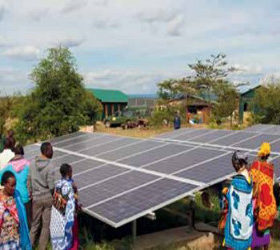
Growing political will and falling costs make universal energy access possible by 2030, IEA finds
The report, published in Energy Access Outlook: from Poverty to Prosperity, is the first instance of this sort of historical analysis, with this particular study looking at 140 countries and showing that the number of people without electricity fell to 1.1 billion in 2016, down from 1.6 billion in 2000.
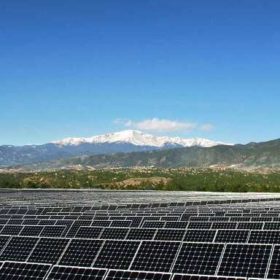
SunPower wins 291 MW PV deal in second round of French tender
The U.S. solar firm, a subsidiary of French energy giant Total, will supply its high-efficiency solar panels to projects awarded in the second round of CRE tender process in France.
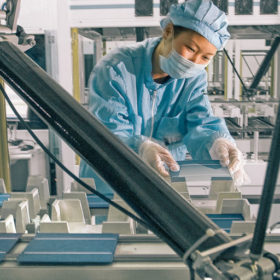
China still needs to step up renewable adoption to meet Paris target, report finds
Report by the China National Renewable Energy Centre (CNREC) and the Energy Research Institute of Academy of Macroeconomic Research urges China to increase the pace of development of its Renewables Energy infrastructure.
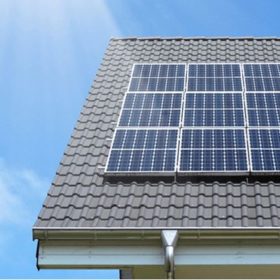
ReneSola’s Chinese projects generate 29 GWh in Q3
ReneSola has reported that its distributed-generation PV projects throughout China generated roughly 29 GWh of electricity in the third quarter of this year.
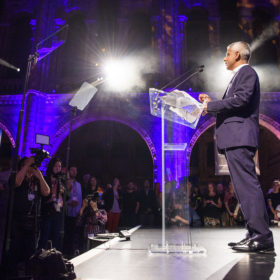
Sadiq Khan puts forward London Community Energy Fund in a bid to encourage locally created solar energy sources.
With the aim of producing 2 GW of installed capacity by 2050, the Mayor sets out his vision to reduce emissions in London to make it a cleaner space for people to live, and a more energy efficient city in general.
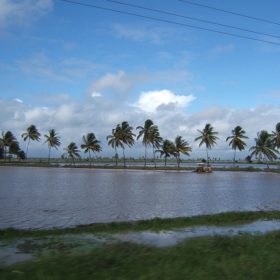
Remote community in Guyana receives 400 kWp solar+storage system from Meeco
The off-grid ground-mounted solar and battery project will be carried out by Meeco and Oursun, providing remote regions of Guyana such as Mabaruma with clean energy, while reducing their fossil fuel consumption.
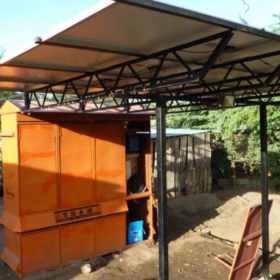
Uganda seeks proposals for mini-grid project in 25 villages
Funds for the projects will be provided by the EU and Germany’s Federal Ministry for Economic Cooperation and Development (BMZ)
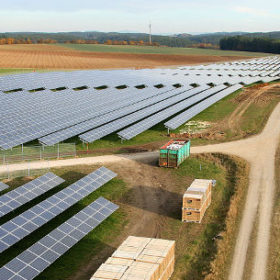
Solar fastest growing energy source in 2016, finds latest IEA report
The International Energy Agency’s Renewables 2017 report finds that solar PV capacity grew 50% last year, underpinning a 12% increase in this year’s renewables forecast and prompting the IEA to forecast 1,000 GW of clean energy by 2022.
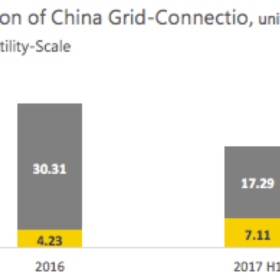
Jinko, Longi neck and neck in H1 Chinese module shipments
Financial reports from PV manufacturers and shipment numbers from the first half indicate high market demand.
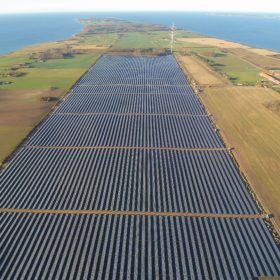
Denmark to provide level playing field for solar subsidies
Danish government and People’s Party agree to allow solar and onshore wind projects to compete on equal terms in tender auctions over next two years.
