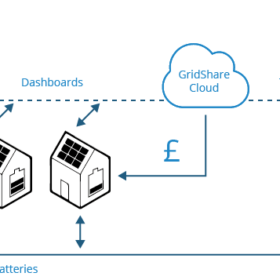
Moixa to build virtual power plant as first phase of UK smart energy project
The storage supplier will set up a mixed-asset virtual power plant that will initially aggregate up to 2 MW of capacity as the first phase of a planned smart local energy system in southern England. Moixa aims to eventually scale the VPP up to 17 MW.
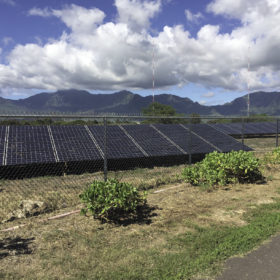
Battery group unveils online map of global storage installations
The Consortium for Battery Innovation has produced an interactive, online map highlighting the location of lead-battery storage installations worldwide.
App mobility service to add 300 e-buses in India by 2020 as utility pledges to go all-electric by 2030
Mobility company Shuttl will also set up more than 50 EV charging points in prime locations and state-run power distributor BSES Rajdhani Power Limited will invest in testing facilities to support stabilizing the grid for EV charging, as well as pilot schemes on effectively integrating renewable electricity into its network.
Washington state’s 100% renewables bill passes both Houses
Washington is looking to become the fourth state to make the move to 100% renewable electricity, with only a senate review and the hand of Governor Inslee left in the path of SB 5116.

GCL Poly subsidiary sweats solar assets for $89m cash injection
The poly maker’s project development business has entered a sale and leaseback deal for a 140 MW project that will bring in a financial lift in the short-term but cost more than $31 million over nine years.

Getting (almost) all our energy from the sun by 2050
Solar could meet approximately 68% of global energy demand with other renewables making up the rest, according to a new report. A 100% renewable energy system could also create 22 million solar jobs by 2050, the study claims. Keeping global warming below 1.5 degrees C, though, would require FITs for projects up to 40 MW in capacity, auctions for bigger systems, removing fossil fuel and nuclear subsidies and providing more education and R&D and less red tape.
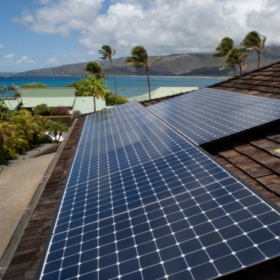
Hawaii utilities seek more renewables, storage and now grid services too
Hawaiian Electric Companies has laid out plans to source the equivalent of 135 MW of solar and 1,378 MWh of energy storage – as well as load shifting and frequency response from distributed energy resources through aggregators.
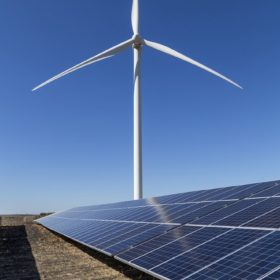
EDP to build Portugal’s first MW-sized PV plant coupled with storage
The 3.8 MW project is conceived for self-consumption of two facilities of the lead-acid battery manufacturer Exide in Castanheira do Ribatejo and Azambuja.
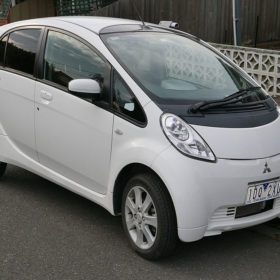
Mitsubishi offers residential solar-plus-storage EV charging in Japan and Europe
The Dendo Drive House includes a solar system, residential storage and a bi-directional charger. Mitsubishi says it reduces electric bills and fuel costs by enabling battery charging from the grid at night, when power prices are cheaper, and can also draw power from an electric vehicle.
Belgian scientists develop solar hydrogen panel
The innovation is said to be able to produce 250 liters of hydrogen per day and can convert sunlight and water vapor from the air directly into hydrogen gas with an efficiency of 15%.
