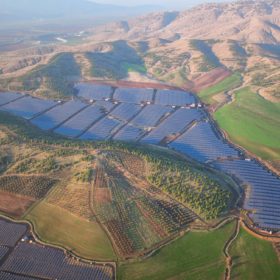
Mixed reaction from solar industry to plunging Turkish currency
As the lira’s troubles continued to weigh on the markets today, it remained unclear how the country’s solar market will be affected. While the plunging currency fosters uncertainty – public enemy number one for investors – it could also create conditions for lower system costs and cheaper PV projects. Nevertheless, a serious slow-down for 2018 must be considered.

Renewables body hails introduction of solar to UK capacity market
Solar – and wind – will finally bring an element of environmental consciousness, and value for money, to the system charged with keeping the lights on in Britain. Is PV finally shaking off long-held fears about its intermittent nature?

Temporary halt to Indian safeguarding duties on imported modules
The stay on the newly-proposed duty imposed by the Odisha High Court will offer relief to developers waiting to collect shipments from port. But companies must agree to pay the tariff at a later date if it is upheld by the judicial system.
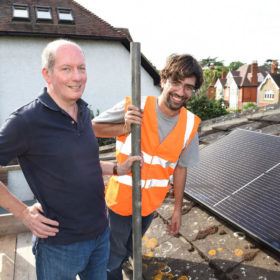
Group buying could make up for UK loss of export payments
With a group purchasing program securing hefty discounts for British households – and attracting thousands of potential customers as a result – solar has a viable business case no matter what further cuts the government throws at the industry.
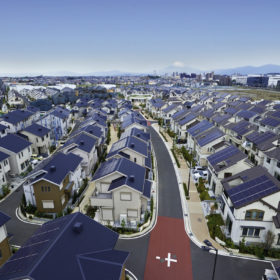
Japan’s PV sector should focus on future energy mix target — report
The Japanese PV industry should respond to the government’s recent decision to leave its 2030 energy mix targets unchanged by pushing for a higher share of solar in the next version of the country’s strategic energy plan, according to a new report.

US: EIA forecasts modest, uneven solar market growth in 2019
The organization’s short-term energy outlook forecasts that 10.3 GW-AC of solar will be installed in 2019, a 7% growth from 2018 – but for 60% of this solar to come online in December.
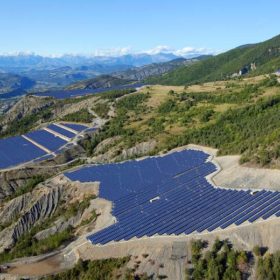
Engie emerges as clear winner of France’s PV tenders
Examining the results of France’s latest solar PV tender, Finergreen says that Engie has secured the largest share of the 727.9 MWp awarded this week. Overall, 103 projects were awarded under three categories for average tariffs of between €52.1/MWh and 83.8/MWh.
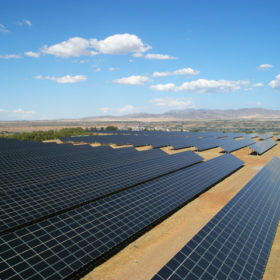
Australian states harden stance on unambitious national policy as energy bodies take opposing sides
As the debate heats up before Friday’s meeting between federal, state, territory and local government energy ministers in Australia, the Victoria authority has issued a last-minute call to redraft the proposed National Energy Guarantee, and the Australian Capital Territory has redefined its NEG approval condition with regard to the emissions target. Meanwhile, Australia’s energy bodies have taken separate paths.
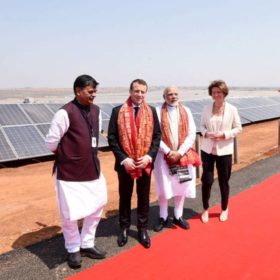
India well on track for 100 GW target, claims minister
The Minister for New and Renewable Energy has waved aside complaints about safeguarding duties by telling India’s upper house the nation’s ambitious four-year solar target is ‘comfortably’ within reach.

Solar projects under net metering keep growing in Ukraine
Cumulative PV capacity installed under the scheme reached 90 MW at the end of June. Of this capacity, around 27 MW were deployed in the second quarter alone.
