The weekend read: Sunshine for Fukushima
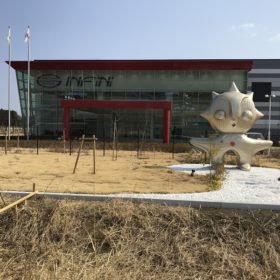
Solar in Japan: As Japan continues to wean itself off nuclear power, solar PV has assumed a vital role in aiding the transition to renewable energy. In Fukushima, a series of solar plants have already been installed, but one new addition to the region – a module fab – poses an altogether different set of challenges and opportunities, as pv magazine’s managing editor Ian Clover found out.
Wacker reveals details on explosion at its US facility
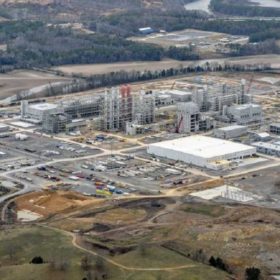
Tennessee’s relevant safety authorities have submitted their report on the hydrogen explosion at the polysilicon plant of the German manufacturer in Charleston. They demand US$25,400 in fines from Wacker Chemie for violations of various regulations. The manufacturer continues its efforts to resume production.
JinkoSolar downsizes plans for US factory
The Chinese PV giant is now planning to employ only a quarter of the number of workers previously planned in one PV module factory, which will be online by the end of next year.
German PV module maker CS Wismar plans to raise production in 2018
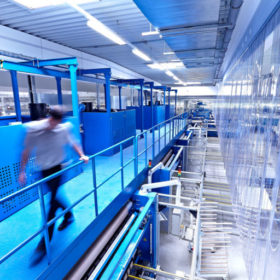
In addition to the manufacturing of its own modules, the German solar PV producer focuses primarily on OEM production. Negotiations are currently underway with two customers, which would lead to a significant increase in production volume this year.
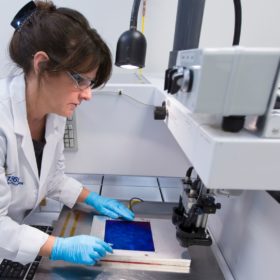
1366 abandons plans for US factory
The innovative wafer maker will be building its first commercial-scale factory overseas.
SolarWorld Americas gets $5 million loan from creditors
Creditors will allow SolarWorld Americas to borrow more than US$5 million. This should bring operations up to full capacity in the coming months.
Vietnam files complaint with WTO over US solar tariffs
The Vietnamese authorities have submitted a complaint to the World Trade Organization (WTO) to request formal consultations with Washington over its recently announced 30% tariff on crystalline silicon PV imports.
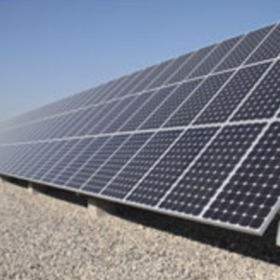
Solargiga invests in 1 GW of module output — correction
A unit of Solargiga Energy Holdings has revealed plans to invest CNY 160 million ($25.2 million) in 1 GW per year of PV module production capacity.
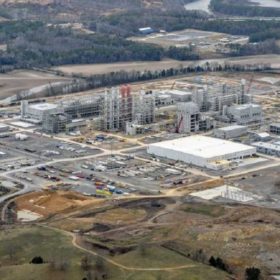
Wacker’s US polysilicon factory still on hold
Following an explosion at a U.S. production facility in 2017, the German polysilicon producer is under investigation by local authorities. Wacker Chemie must now pay a fine of US$20,000 for failing to comply with certain regulations regarding the provision of personal protective equipment and employee safety during maintenance work prior to the accident.
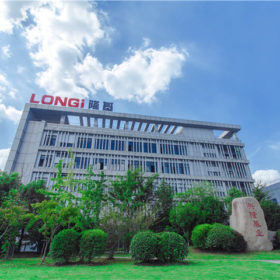
Longi claims 23.6% efficiency for its PERC monocrystalline cells
Just one month after announcing a PERC module efficiency of 20.41%, the Chinese solar manufacturer announced it has now achieved a 23.6% efficiency for its PERC monocrystalline cells, thus beating its own previous records.
