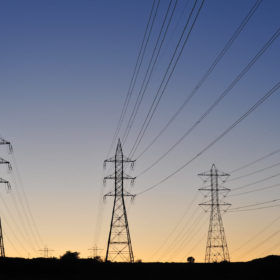
UK installs 5 MW ultracapacitor as ‘sonar’ to detect power grid inertia
Electricity system operator National Grid is planning for a fully decarbonized power network in five years. Following a power outage last year, the operator has taken a pioneering role in finding solutions to the issues of running a grid using only power-electronics-interfaced resources. One key aspect of grid stability, inertia, can be detected using an ultracapacitor.
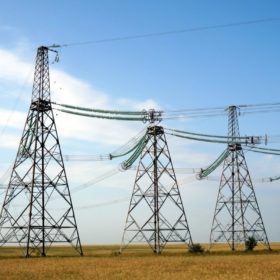
The future of power electronics is distributed, aggregated and service oriented
IHS Markit released a white paper in which the analyst outfit shared some predictions for the power electronics market. First and foremost, inverters will become smarter, and after some power outages in key markets, these devices are gearing up to take on more grid stabilizing tasks, which hitherto had been reserved for synchronous generators.
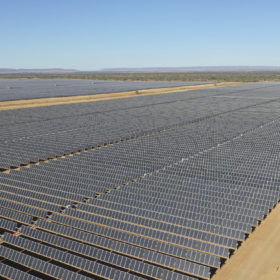
Enel plans to drive 120 GW of renewables capacity by 2030
The Italian energy business plans to spend €70 billion on clean energy this decade and also announced plans to invest in e-mobility and grid flexibility, in concert with outside investors.
Toshiba and Next Kraftwerke prepare for Japan’s energy transition
The electronics brand has announced plans for a virtual power plant aggregator JV with German specialist Next Kraftwerke ahead of the opening up of the control reserve market in Japan in April – and the planned switch from clean energy FITs to feed-in premium, top-up payments a year later.

Corporate funding for battery storage up 75%
Analysts at Mercom Capital Group have tallied up corporate funding, venture capital and debt and public market investment for battery storage, smart grids and energy efficiency companies. From a financial perspective, the industry appears resilient to the Covid-19 crisis and ready to grow further.

‘Solar is the new king of energy markets’
The advance of PV has been lauded by the International Energy Agency as it launched the latest edition of a flagship World Energy Outlook 2020 report overshadowed by the Covid-19 crisis and uncertainty over how long the economic recovery could take.
Schneider Electric launches off-grid-capable solar charge controller
The power electronics company is offering a product which can work on and off the grid and enables the charging of dead batteries using a rooftop solar array.
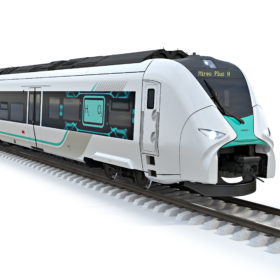
New Siemens units lay marks in hydrogen generation, mobility and energy-as-a-service
With a flurry of recent announcements, the newly-launched power division of the electronics giant plans to drive hydrogen mobility in Germany and enter the commercial and industrial power market in the US.

Port of Rotterdam micro-market trial boosts battery storage returns 20%
A small-area trial of artificial intelligence and blockchain-based energy trading software demonstrated big improvements across all renewable energy performance metrics. The port authority now wants the system across all its premises.
New trial could nix rooftop solar export tribulations in South Australia
As some parts of Australia’s distribution networks threaten to black out under the flow of rooftop solar exports, ARENA announces funding for a trial that will enable flexible exports in line with what the networks can bear. Smart software is the answer.
