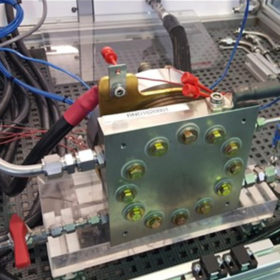
Novel stack design for PEM electrolyzers promises lower production costs
Researchers in Germany have built bipolar plates for electrolyzer stacks without using titanium, which they claim may further reduce green hydrogen costs. They used coated stainless steel and niobium for the stack coating and found these new materials do not affect electrolyzer performance.
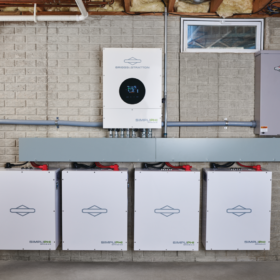
Briggs & Stratton launches residential storage solution with lithium-ferro-phosphate chemistry
The US manufacturer offers the storage solution with a 6 kW inverter, a 4.9 kWh battery, and a proprietary monitoring system.
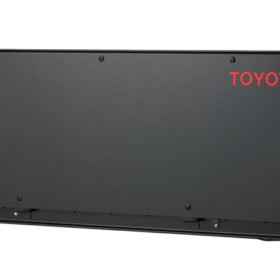
Toyota unveils 8.7 kWh battery for residential applications
The battery has a rated output of 5.5 kW and can be installed in outdoor environments. It is equipped with a hybrid power conditioner, a DC-to-DC converter, and a vehicle power supply adapter with a maximum output of 1.1 kWh.
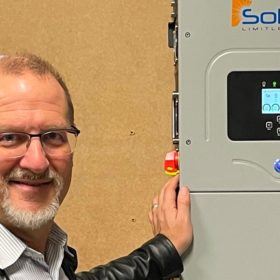
Redflow announces integration with US inverter company
Australian redox-flow battery specialist Redflow has upped the ante on its plans to expand into the US market, announcing that it has completed testing to pave the way for its battery energy storage system to be used in conjunction with hybrid inverters manufactured by US solar engineering company Sol-Ark.
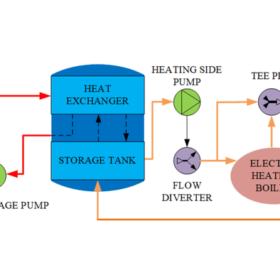
PVT-biomass system for space heating in small homes
A US-Chinese research group has developed a hybrid system proposal based on photovoltaic-thermal (PVT) modules, a heat pump, a backup electric boiler, and biomass generating units. They say it could be used as space heating in a single-floor home.

Storing hydropower via regenerative braking in electric trucks
An international research team has proposed the use of water from high-altitude rivers and regenerative braking in electric trucks to store electricity for reuse in power networks, or for transport purposes.

Investors present European legislators with hydrogen economy wishlist
If the EU is going to drive more than half a trillion dollars worth of hydrogen investment over the coming decades, it will need to get investors onside. The European Investment Bank has surveyed financiers to find out what they want.
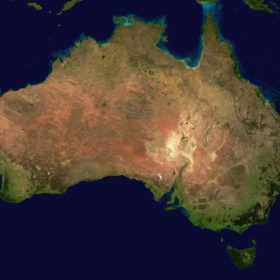
Green investors eyeing up Australia following election results
The remarkable results of what is already being called a ‘historic’ 2022 federal election have put Australia “back on the map” in the eyes of big low-carbon investors.
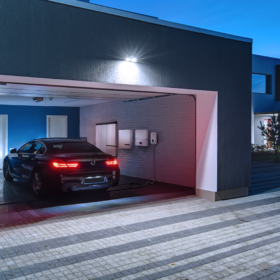
Test production starts at SolarEdge’s 2 GWh Korean battery cell fab
The inverter and battery manufacturer says its new Sella 2 factory will produce cells for its residential solar-plus-battery products as well as for other applications.
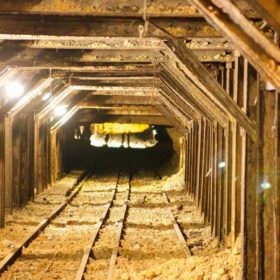
Australian startup develops mine shaft gravity storage
Green Gravity, a startup proposing to use old mine shafts for gravitational energy storage, has secured AUD 1.4 million ($990,000) in its first formal capital raise.
