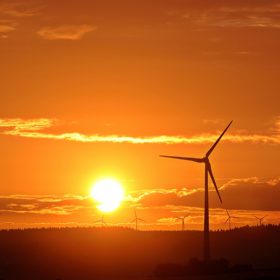
Wider wind-solar complementarity would mean less need for storage
A study from the Lappeenranta University of Technology states a deeper complementarity between solar and wind generation may favor renewables deployment reducing the need for stronger developments in storage technology. Combining solar with wind more widely could also reduce the need for ramping and improve the reliability of energy supply, say the researchers.
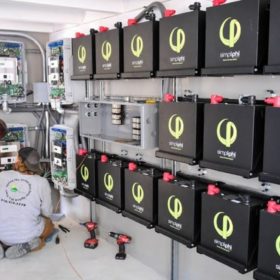
Simpliphi predicts cobalt-free battery takeover sooner than expected
pv magazine spoke with Catherine Von Burg, CEO of the Californian battery company, to discuss why she believes lithium-iron-phosphate is the chemistry of the near future.
Daily news round-up: UK reveals details of next renewables auction, Iran’s first floating PV and more hydrogen
Taiwanese cell manufacturer Inventec Solar reportedly halted production this month and Ireland is preparing to remove rooftop solar panel restrictions, according to the Irish Independent.
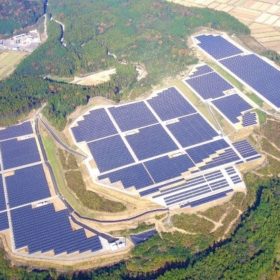
Japan’s struggle to drive down renewables costs
A nation famous for high electricity prices has seen power costs fall 15% this year, according to analyst Wood Mackenzie, a figure which will help attract $100 billion of solar and wind investment to 2030. Renewables will have to work even harder, however, to displace fossil fuels in hydrogen production.
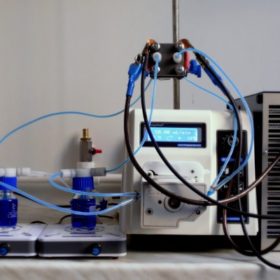
Russian design for vanadium redox flow batteries
Researchers claim to have developed a cheaper, faster method of assembling the field flow plate layers of the membrane electrode assembly used in vanadium redox flow batteries, which they claim outperforms traditional components.
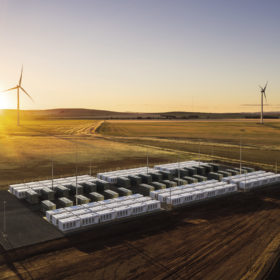
A battery chemistry schism is imminent
A report from Wood Mackenzie predicts lithium-iron-phosphate will overtake lithium-manganese-cobalt-oxide as the dominant stationary energy storage chemistry within the decade.
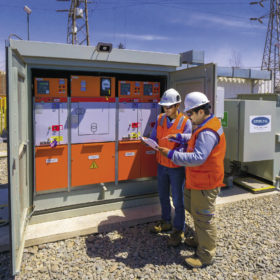
Covid-19 weekly round-up: Differing opinions on energy storage fall-out, a trade show update and some surprisingly positive financials
Negative second-quarter updates from China and uber-low new-solar figures from India, however, show the world is far from out of the woods yet.
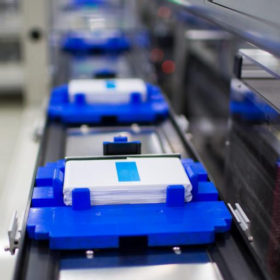
Lithium battery equipment makers buffeted by Covid
Grid scale lith-ion batteries may be multiplying Stateside, but an expected recovery in the production line segment will be put on hold until next year because of the pandemic, according to one analyst.
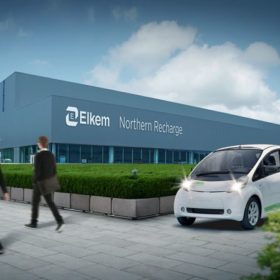
Plans for Norwegian graphite battery factory
Norwegian polysilicon maker and silicon business Elkem is planning to build a manufacturing facility in Herøya.

The ‘rubber-band effect’ on renewable energy project margins
David Riester of Lacuna Sustainable Investments, looks at how, on the journey from concept to monetized power plant, renewables and energy storage projects tend to get tugged toward ‘zero’ margin, from either direction. The further the rubber band is stretched, the stronger the pull back toward zero.
